




REDWAY BATTERY / KNOWLEDGE
What Are Battery Maintainers Used For?
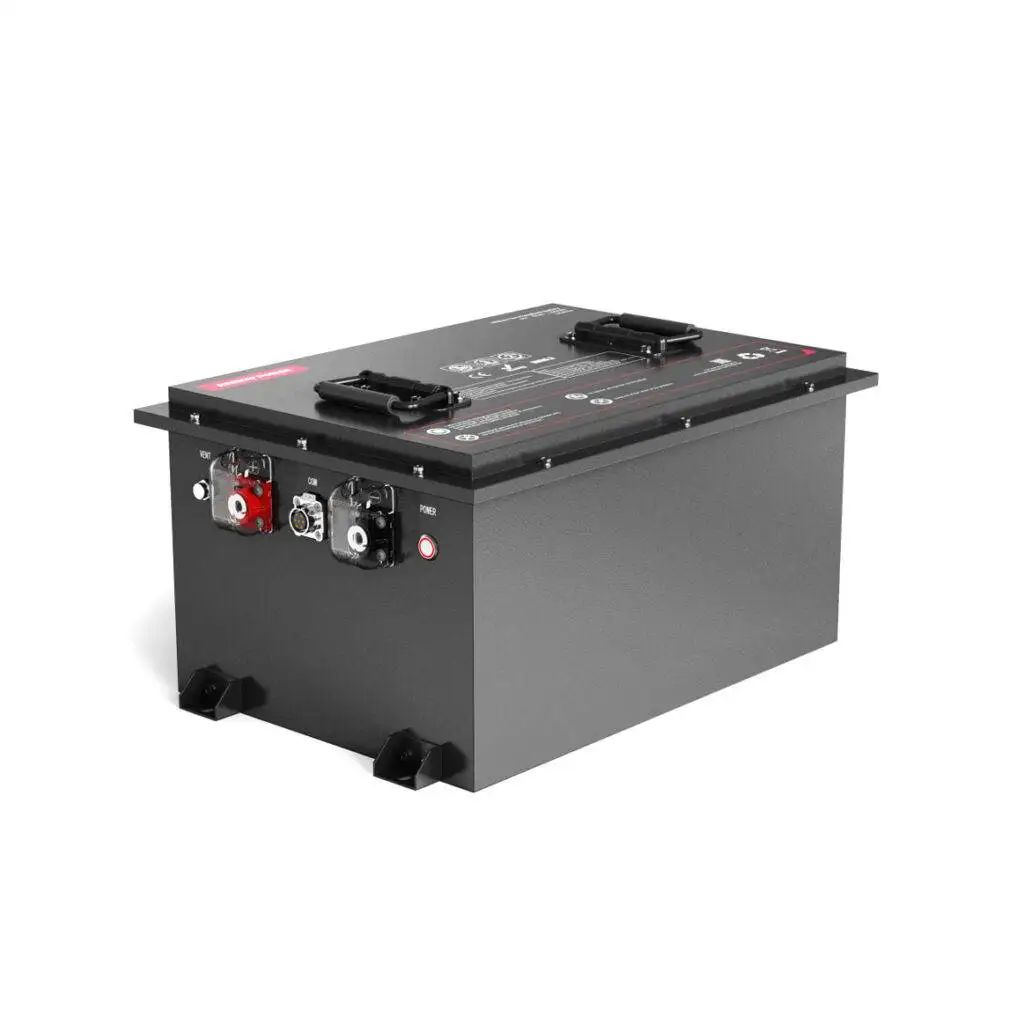
Battery maintainers are devices that preserve battery charge and health during storage or inactivity. They deliver low-current power (0.5–2A) to offset self-discharge and prevent sulfation—a buildup that cripples lead-acid batteries. Unlike chargers, maintainers auto-regulate voltage (typically 12V-14.7V) and switch to float mode once full. Ideal for seasonal vehicles, RVs, and rarely used equipment.
What Are the Best Golf Cart Battery Options at Menards?
How do battery maintainers differ from standard chargers?
Battery maintainers use microprocessors to sustain voltage without overcharging, while chargers push higher currents (5–15A) for rapid replenishment. Maintainers operate indefinitely, whereas chargers shut off at 100% charge. Pro Tip: Never use a standard charger as a maintainer—overcharge risks acid stratification and plate corrosion in lead-acid batteries.
Chargers focus on bulk and absorption phases, while maintainers prioritize float-mode stabilization. For example, a 2A charger might refill a 50Ah RV battery in 25 hours, but a 1A maintainer keeps it at 13.6V indefinitely. Practically speaking, maintainers act like a slow-drip IV for batteries, whereas chargers function as defibrillators. Key specs: Maintainers output ≤2A vs. chargers at 5A+. On the other hand, chargers can’t handle long-term trickle needs without BMS intervention. A 12V maintainer typically cycles between 13.2V (absorption) and 13.6V (float).
| Feature | Maintainer | Charger |
|---|---|---|
| Current Range | 0.5-2A | 5-30A |
| Voltage Tolerance | ±0.1V | ±0.5V |
| Auto-Shutoff | No | Yes |
Why use a maintainer instead of periodic charging?
Maintainers prevent sulfation—a crystal formation that reduces capacity by 80% in 6 months of inactivity. Unlike monthly top-ups, maintainers eliminate discharge cycles, extending battery life 2-3x. Pro Tip: For lead-acid batteries, sulfation begins at 12.4V (75% charge)—a level reached in 30 days without maintenance.
Imagine your battery as a leaky bucket: Periodic charging refills it monthly, but maintainers plug the leaks. Technically, sulfation accelerates when voltage drops below 12.6V. Maintainers counteract this by keeping systems at 13.2V–13.6V. Heavy-duty models even use pulse desulfation (5–7V spikes) to break down crystals. But how effective is this? Tests show pulse-treated batteries regain 15-20% capacity after 8 weeks. Transitionally, this bridges winter storage gaps for boats or motorcycles. However, lithium batteries don’t sulfate—so maintainers simply balance cells during dormancy.
| Method | Sulfation Prevention | Avg. Lifespan Gain |
|---|---|---|
| Maintainer | 98% | 3-5 years |
| Monthly Charging | 60% | 1-2 years |
Can maintainers revive deeply discharged batteries?
Most maintainers cannot recover batteries below 10.5V (lead-acid) or 9V (lithium). They’re designed for preservation, not resurrection. Deep discharge often causes irreversible damage—maintainers lack the high-current boost needed for recovery. Pro Tip: Use a charger with “recovery mode” (3A+ pulses) for batteries under 20% charge.
Think of a maintainer as a fitness trainer, not an ER doctor. If your car battery sits at 8V for months, sulfation has likely bricked it. Technically, lead-acid chemistry forms PbSO4 crystals below 11.8V—these harden over time. Advanced maintainers with desulfation modes might salvage moderately drained units (above 10.8V), but success rates drop below 30% for deeply dead cells. For lithium-ion, BMS lockout typically occurs at 2.5V/cell—maintainers can’t bypass this without firmware hacks.
What batteries benefit most from maintainers?
Lead-acid (flooded, AGM, gel) and lithium-ion batteries gain the most. Lead-acid needs constant voltage to avoid sulfation, while lithium requires cell balancing during storage. Pro Tip: Maintain lithium at 50-60% charge (13.2V for 12V systems) to minimize calendar aging.
Flooded car batteries left unused lose 5-10% charge monthly. AGM variants fare better (3% monthly loss), but both benefit from maintenance. For example, a Harley-Davidson AGM battery lasts 2 years standalone but 5+ years on a maintainer. Lithium iron phosphate (LiFePO4) batteries self-discharge just 2% monthly but still need balancing every 90 days. Meanwhile, NiCd batteries don’t require maintainers—they tolerate deep discharge better.
How to choose the right battery maintainer?
Match voltage (6V/12V/24V), chemistry (lead-acid/lithium), and amperage (0.5-2A for cars, 2-5A for RVs). Opt for models with spark-proof connections and temperature compensation. Pro Tip: For multi-bank systems (boats/RVs), use maintainers with isolated outputs to prevent cross-circuit drainage.
Consider your battery’s reserve capacity—a 100Ah RV battery needs at least a 1.5A maintainer (C/20 rule). Temperature-compensated models adjust voltage based on ambient heat (e.g., -0.003V/°C for lead-acid). Are you storing a vintage car? Opt for 12V/800mA units with automatic voltage detection. Marine users should prioritize waterproof designs (IP67+) and corrosion-resistant clamps. Brands like Battery Tender and NOCO excel in these niches.
Redway Battery Expert Insight
What Makes the Duralast Marine and RV Deep Cycle Battery a Top Choice?
FAQs
Yes—quality maintainers auto-cycle between charge and float modes. Avoid cheap “trickle chargers” lacking voltage regulation.
Do lithium batteries need maintainers?
Yes, but only for cell balancing during long storage. Maintain at 40-60% charge, not full capacity.
Are maintainers safe in freezing temps?
Yes, if rated for -20°C to 60°C. Some models reduce float voltage to 13.1V in cold to prevent electrolyte freezing.
This topic belongs to the wider Golf Cart Battery: Operation and Practical Guidance — Part 1, which brings the related decisions and practical checks together.
