




REDWAY BATTERY / KNOWLEDGE
The Future of Solar Inverters: What You Need to Know in 2026
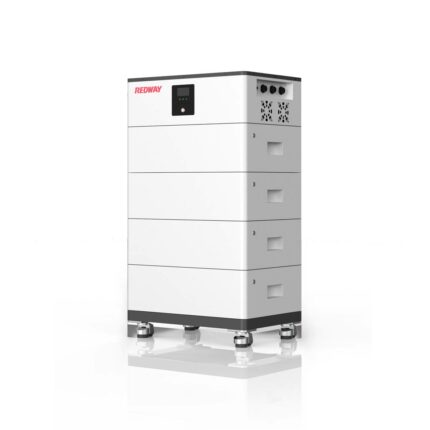
The solar inverter market is poised for significant change as uncertainty looms in major markets such as China, Europe, and the US. Industry forecasts predict a decline in inverter shipments globally, with particular volatility in these key regions. Understanding these shifts is essential for stakeholders looking to navigate the evolving landscape.
How Will the Solar Inverter Market Evolve in 2026?
In 2026, the solar inverter market will experience contraction after years of exponential growth. Wood Mackenzie forecasts a 2% decline in 2025 and a further 9% drop in 2026, primarily driven by market saturation and shifting dynamics in China, Europe, and the US. These changes are attributed to policy uncertainty, reduced prices, and fierce competition, especially from Chinese manufacturers.
What Impact Will China’s Market Have on Inverter Shipments?
China, the world’s largest producer of solar inverters, is expected to see a 5% contraction in 2025, the first drop since 2019. This shift follows efforts to resolve overcapacity in its PV sector, which has led to declining prices and increasing competition. The policy uncertainty surrounding China’s solar market will likely ripple across the inverter industry, affecting global shipments.
Which Regions Will See Growth in the Inverter Market?
The Asia-Pacific region, excluding China, is forecast to grow its inverter market to 89GW in 2025. This expansion is driven by investments in domestic manufacturing and the rise of rooftop PV segments, particularly in India and Southeast Asia. These emerging markets are expected to provide a counterbalance to the decline in the traditional markets of China and Europe.
Why Are European and US Markets Facing Decline?
In Europe and the US, the inverter market is facing long-term challenges. In Europe, sustained inventory issues and reduced utility-scale capture prices, especially in Spain, have resulted in forecasted declines in inverter shipments. Similarly, the US market is expected to shrink by 22% in 2026, largely due to the phaseout of the Inflation Reduction Act (IRA) tax credits for solar projects.
Does Cybersecurity Pose a Risk to the Solar Inverter Industry?
Yes, cybersecurity is becoming a critical issue for the solar inverter market. As both the EU and US push for stricter cybersecurity regulations, the competitive landscape is shifting. Inverter manufacturers will need to navigate these new challenges to remain viable, with domestic suppliers likely to benefit from increased demand for secure, locally manufactured products.
What Are the Long-Term Prospects for the Solar Inverter Market?
While the short-term outlook is challenging, the long-term prospects for solar inverters remain positive. By the early 2030s, the market is expected to recover due to growth in electrification, AI technologies, and repowering projects. Companies that focus on next-generation inverter technologies will likely emerge stronger once the market stabilizes.
Redway Expert Views
“The transition to more secure and efficient solar inverters is inevitable as demand for renewable energy continues to rise. As cybersecurity concerns grow, inverter manufacturers will need to invest in innovative solutions to stay competitive. Companies like Redway Battery, with a strong track record in energy storage, will play an essential role in the next phase of the solar energy revolution.” — Redway Battery Expert
Conclusion: Navigating the Shifting Solar Inverter Market
The solar inverter market is undergoing significant shifts, with contraction expected in 2025 and 2026. Understanding regional dynamics, cybersecurity implications, and the broader global energy trends will be key for stakeholders looking to succeed. While challenges remain, the long-term outlook is optimistic for companies that can innovate and adapt to emerging market needs.
Frequently Asked Questions (FAQs)
1. What factors are driving the decline in solar inverter shipments?
The decline in solar inverter shipments is primarily due to market saturation, policy uncertainty in China, and the expiration of the IRA tax credits in the US. These factors have created a challenging environment for the industry.
2. How will cybersecurity regulations impact the solar inverter market?
Stricter cybersecurity regulations in the EU and US are likely to increase demand for domestically produced inverters, potentially limiting the market share of Chinese manufacturers.
3. Which regions are expected to see growth in the solar inverter market?
The Asia-Pacific region, particularly India and Southeast Asia, is expected to experience growth in the inverter market, driven by investments in domestic manufacturing and emerging rooftop PV segments.
4. When will the solar inverter market recover?
The inverter market is expected to recover by the early 2030s, driven by increased electrification and AI demand, along with repowering projects in the renewable energy sector.
5. How can Redway Battery contribute to the future of solar energy?
Redway Battery, with its expertise in energy storage solutions, can help drive innovation in the solar inverter market by providing reliable and secure energy storage systems for both residential and commercial solar installations.
For connected guidance and the next practical steps, use the Solar and Energy Storage Battery: Applications and Operating Conditions — Part 2.
