




REDWAY BATTERY / KNOWLEDGE
How can lithium batteries upgrade modern sightseeing cars?
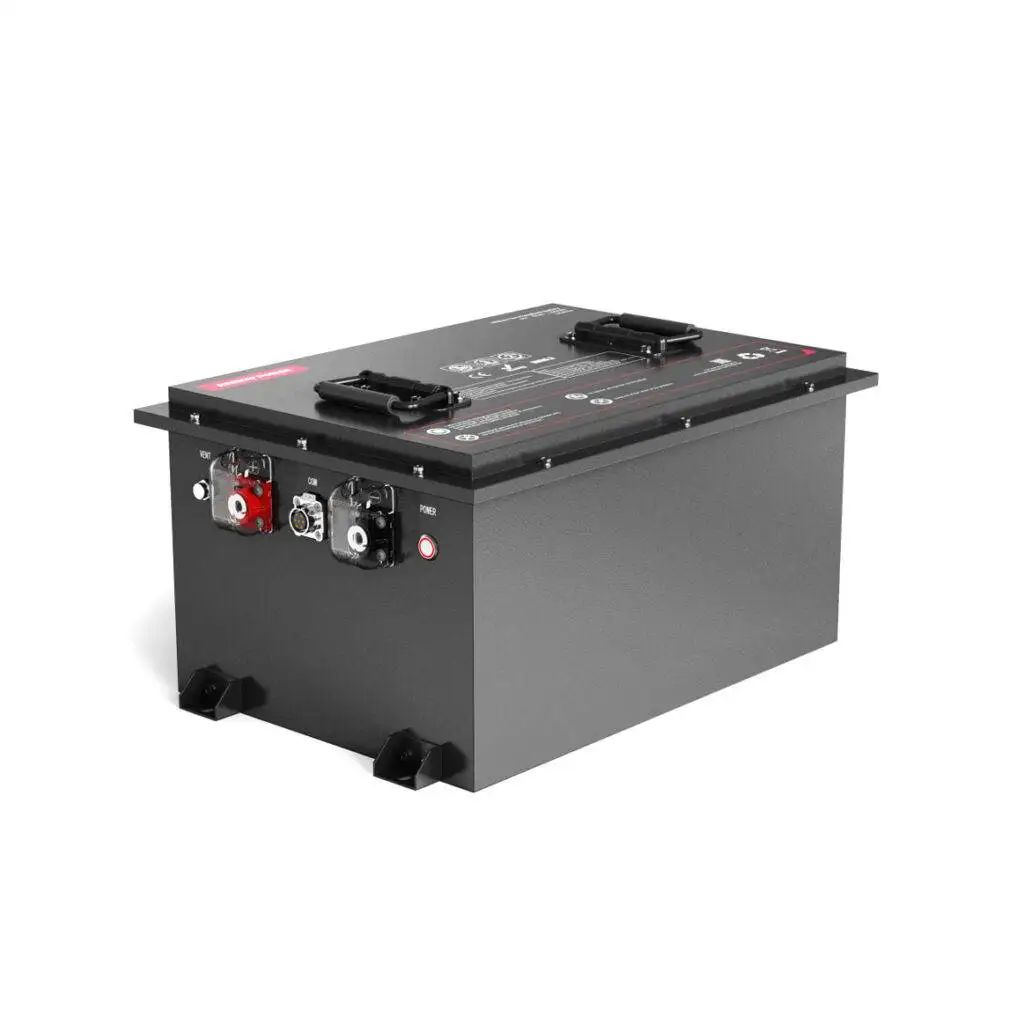
Global electrification is reshaping the sightseeing car market, and operators who adopt lithium batteries are cutting operating costs, extending vehicle uptime, and improving passenger experience while meeting stricter low‑carbon regulations.
What is the current status and pain point of sightseeing car power systems?
The wider electric vehicle and automotive lithium‑ion battery market is growing at double‑digit rates, with automotive lithium‑ion batteries projected to rise from about USD 61–62 billion in 2026 to more than USD 150 billion by 2032, reflecting a compound annual growth rate above 16%. At the same time, specialized segments like lithium battery sightseeing cars are expected to reach hundreds of millions of dollars in value around 2025, with growth rates of roughly 15% annually through the next decade. For tourism operators, resorts, campuses, and parks, this means electric powertrains are no longer niche, but a mainstream expectation for clean, quiet, and reliable people movers.
Yet many sightseeing fleets still rely on lead‑acid batteries or aging combustion engines, resulting in short driving range, frequent maintenance, and rising total cost of ownership. Lead‑acid packs typically deliver only 300–500 cycles under real‑world conditions, and their usable depth of discharge often has to be kept around 50–60% to avoid premature failure. This leads to daily range anxiety and unplanned downtime during peak tourist periods. Combustion sightseeing vehicles face additional issues: fuel price volatility, local air‑quality restrictions, and noise complaints in high‑end scenic areas and resorts.
Lithium iron phosphate (LiFePO4) batteries for sightseeing cars directly address these pain points by delivering higher energy density, longer cycle life (often 3,000+ cycles), and far better charge efficiency. For example, replacing lead‑acid with LiFePO4 can reduce battery‑related maintenance hours by more than half, while enabling fast opportunity charging between tours. As tourism traffic rebounds globally and parks pursue low‑carbon certifications, operators need data‑driven, upgradeable power solutions that can scale quickly and safely across diverse sightseeing vehicle platforms.
How do traditional power solutions fall short?
Traditional sightseeing cars commonly use three power approaches: internal combustion engines, flooded or AGM lead‑acid batteries, and low‑end lithium packs without proper engineering support. Each has structural limitations when measured against today’s performance and sustainability requirements.
Combustion engines generate local emissions, odor, and noise, which directly undermines visitor experience in eco‑tourism zones, historic old towns, zoos, and campuses. They also require frequent oil changes, filter replacements, and complex driveline maintenance, which increases service downtime and labor cost. In some regions, new combustion sightseeing vehicles already face policy restrictions in protected scenic areas, pushing operators toward electrification.
Lead‑acid batteries, although cheap upfront, impose high lifecycle costs. Their relatively low energy density means heavier packs for the same range, which increases vehicle weight and tire wear. Voltage sag under high load (steep slopes, full passenger loads) leads to sluggish acceleration and poor hill‑climbing. In hot climates, water loss and sulfation shorten service life, forcing battery replacement every one to two years in intensive operations.
Low‑end or uncustomized lithium solutions may solve part of the range issue but create new risks if thermal management, BMS (battery management system), and mechanical integration are not engineered carefully. Without cell‑level protection, data monitoring, and robust enclosures, sightseeing operators can experience inconsistent range, communication failures with the vehicle controller, or, in worst cases, safety incidents. This is why working with an experienced OEM lithium battery manufacturer such as Redway Battery becomes critical for large fleets.
What lithium battery solution best fits sightseeing cars?
For most sightseeing applications, LiFePO4 lithium battery packs optimized for low‑speed electric vehicles deliver the best balance of safety, cycle life, and cost per kilometer. Compared with NMC chemistries often used in passenger EVs, LiFePO4 offers superior thermal stability and longer cycle life, making it ideal for daily tour cycles and frequent partial charging. A typical sightseeing duty cycle might involve 8–12 hours of intermittent driving with short breaks; LiFePO4 supports opportunity charging during those breaks without accelerated degradation.
Redway Battery focuses on LiFePO4 systems for heavy‑duty applications such as forklifts and golf carts, which have load and duty patterns very similar to sightseeing cars. Leveraging its four factories and more than 100,000 ft² of production space, Redway Battery can engineer sightseeing car packs with capacities ranging from small campus shuttles to large multi‑row tour vehicles. OEM/ODM customization enables precise voltage, capacity, and casing designs that fit existing battery compartments, thereby simplifying retrofits from lead‑acid.
At system level, a modern sightseeing car lithium solution includes: high‑quality LiFePO4 cells, an intelligent BMS with cell balancing, temperature and current protections, CAN/RS485 communication to the vehicle controller, and robust enclosures rated against dust, vibration, and moisture. Redway Battery combines automated production and MES tracking so each pack has traceable quality data, which is especially important for fleet operators who standardize on one supplier and require consistent performance across dozens or hundreds of vehicles.
How does the new lithium solution compare with traditional options?
Lithium battery for sightseeing cars vs. traditional solutions
| Aspect | Lead‑acid battery sightseeing car | Combustion sightseeing vehicle | LiFePO4 sightseeing car (e.g., Redway Battery solution) |
|---|---|---|---|
| Energy density | Low; heavy packs for modest range | N/A (fuel tank) | High; lighter packs for same or greater range |
| Cycle life | ~300–500 effective cycles under deep cycling | Engine overhauls costly; many mechanical wear parts | Often 3,000+ cycles, 6–10 years fleet use when sized correctly |
| Daily operating range | Limited; noticeable voltage sag, reduced performance at low state of charge | High but dependent on fuel and emissions rules | Stable performance across most of the discharge window; easy scaling of capacity |
| Charging / refueling time | 6–8 hours full charge; poor fast‑charge tolerance | Fast refueling but requires fuel logistics and depots | 1–3 hours with appropriate charger; supports opportunity charging during breaks |
| Maintenance needs | Regular watering, cleaning, equalization charging, frequent replacements | Frequent engine, exhaust, and transmission maintenance | Minimal; mainly connection checks and periodic diagnostics |
| Operating noise | Quiet but power drop with age | Loud engine noise and vibration | Very quiet, smooth acceleration, good riding comfort |
| Emissions | Zero at point of use but lead recycling needed | Direct CO₂, NOx, particulates; regulatory pressure | Zero at point of use; supports low‑carbon operations |
| TCO over 5–7 years | High due to replacements and labor | High due to fuel and maintenance | Lower when factoring cycle life, energy savings, and uptime |
| Data and connectivity | Typically none | Limited telematics on basic fleets | Integrated BMS data, remote monitoring possible with right system |
| Safety | Acid spills, hydrogen gassing risk if mismanaged | Fuel leaks, exhaust hazards | Chemically stable LiFePO4, engineered protection and enclosures |
This topic belongs to the wider Golf Cart Battery: Technology and System Fundamentals — Part 1, which brings the related decisions and practical checks together.
By pairing sightseeing vehicles with LiFePO4 packs from a specialized OEM like Redway Battery, operators align long‑term cost savings with measurable sustainability metrics such as reduced energy consumption per passenger‑kilometer and lower lifecycle emissions.
How can operators implement a lithium battery solution step by step?
A practical rollout roadmap makes lithium adoption measurable and manageable rather than disruptive.
Requirement analysis and fleet audit
Operators begin by mapping vehicle types, routes, average passenger loads, gradients, and daily operating hours. From this data, they calculate target range per charge and required spare capacity (for weather, special events, and battery aging). Redway Battery’s engineering team can translate these requirements into recommended voltage, capacity, and pack configurations.Technical design and customization
In this step, pack dimensions, mounting points, communication interfaces (such as CAN protocols), and environmental protection requirements are finalized. For retrofits, the goal is often drop‑in replacement of lead‑acid packs while upgrading to lithium. Redway Battery provides OEM/ODM customization so sightseeing car manufacturers or integrators can standardize one pack design across several models.Pilot deployment and performance validation
A limited number of sightseeing cars are outfitted with the new lithium packs and instrumented for data logging. Key metrics include energy consumption per kilometer, average state of charge at the end of each shift, peak temperatures, and any performance impact on hill‑climbing or acceleration. Operators can compare these figures against historical lead‑acid or combustion baselines to quantify improvements in kWh consumed, maintenance hours, and vehicle availability.Infrastructure and charging optimization
Based on pilot results, charging infrastructure is right‑sized: number of chargers, power rating, and placement near loading points or depots. LiFePO4’s tolerance for partial and opportunity charging enables new operational patterns—such as short top‑ups between tours—that were not possible with lead‑acid. Smart scheduling tools can then be aligned so that vehicles circulate through chargers without bottlenecks.Full‑scale rollout, training, and after‑sales support
With validated performance and a configured charging network, operators expand lithium packs across the full sightseeing fleet. Drivers and technicians receive training on BMS indicators, safe handling, and basic diagnostics. Redway Battery enhances this phase with 24/7 after‑sales service, remote technical support, and, where needed, on‑site assistance so that any issues are resolved quickly and fleet uptime remains high.
Which real‑world scenarios show the impact of lithium sightseeing car batteries?
Mountain resort scenic loop
Problem: A high‑altitude resort operates lead‑acid sightseeing shuttles on steep roads; in peak season, vehicles suffer power loss on climbs and require battery changes every 12–18 months. Traditional approach: Over‑specifying lead‑acid packs to compensate, adding weight and cost, with frequent equalization charging and high maintenance workload. After lithium adoption: LiFePO4 packs sized for the route provide consistent torque even at lower state of charge, enabling full‑day operation with just one midday opportunity charge. Key benefits: 30–40% reduction in energy consumption per passenger‑kilometer, extended replacement cycle to 5+ years, and improved passenger satisfaction due to smoother, quieter operation. Redway Battery can provide rugged packs tailored for high‑altitude temperature swings and vibration.Coastal theme park shuttle
Problem: A coastal theme park with internal combustion sightseeing trucks faces noise complaints and struggles with fuel logistics amid rising environmental regulations. Traditional approach: Relying on nighttime refueling, investing in noise‑control measures, and performing frequent engine maintenance. After lithium adoption: The park replaces combustion vehicles with electric sightseeing cars powered by LiFePO4 packs from an OEM supplier like Redway Battery. Key benefits: Near‑silent operation, elimination of on‑site fuel storage, significantly lower maintenance labor, and compliance with new air‑quality rules. The park can now report quantifiable CO₂ reductions as part of its sustainability program.University campus tour vehicles
Problem: A large university uses aging lead‑acid cart fleets for campus tours; frequent dead batteries disrupt events for prospective students and VIP visitors. Traditional approach: Keeping spare carts and rotating lead‑acid packs, with technicians frequently called to rescue stranded vehicles. After lithium adoption: The university upgrades to lithium packs designed on a golf‑cart platform similar to Redway Battery’s existing solutions, reusing most of the driveline. Key benefits: Enough range to cover full‑day tours without mid‑day swaps, fewer emergency service calls, and better predictability through BMS‑based state‑of‑charge monitoring. This directly improves the perceived professionalism of campus visits.Heritage old‑town tourist lines
Problem: A historic old town restricts combustion engines in the core area, forcing operators to run small electric trains on tight schedules with narrow streets and frequent stop‑and‑go. Traditional approach: Using lead‑acid systems that heat up under frequent acceleration and braking, leading to early failure and inconsistent performance. After lithium adoption: Operators adopt customized LiFePO4 packs and telematics integration from a supplier like Redway Battery, enabling robust performance despite stop‑and‑go usage. Key benefits: Consistent energy availability for multi‑trip days, improved safety due to stable temperature behavior, and remote monitoring to plan preventive maintenance. The city can showcase the electric sightseeing line as part of its cultural preservation and green mobility narrative.
Why is now the best time to upgrade, and what future trends matter?
Electrification of transport is accelerating across all segments, and automotive lithium‑ion markets are projected to more than double over the next decade. As volumes scale, battery technology continues to improve in both energy density and cost per kilowatt‑hour, while safety practices and regulations mature. Sightseeing cars benefit directly from these macro‑trends by gaining access to advanced cells, better BMS platforms, and increasingly standardized components that reduce integration cost. Early adopters secure operational experience and brand advantages that latecomers will struggle to replicate.
In the medium term, several trends will reshape sightseeing fleets further: tighter emission rules in tourist hotspots, integration of sightseeing vehicles with smart‑city and smart‑park management systems, and the use of cloud‑connected BMS data for predictive maintenance and dynamic routing. Battery recycling and second‑life use will also become more important, enabling operators to quantify and report full lifecycle environmental performance. As a long‑standing OEM manufacturer with ISO 9001:2015 certification and an established global supply chain, Redway Battery is well positioned to support these transitions, offering customized LiFePO4 solutions for sightseeing cars that are ready for future connectivity and sustainability requirements.
What FAQs do sightseeing car operators ask about lithium batteries?
Is a LiFePO4 lithium battery really safer than traditional lead‑acid or other lithium chemistries for sightseeing cars?
LiFePO4 chemistry has excellent thermal stability, a lower risk of thermal runaway compared with some other lithium chemistries, and no free liquid acid, which reduces spill and corrosion risks. When combined with a properly designed BMS and rugged enclosures as offered by professional OEMs such as Redway Battery, it provides a safety level well suited to passenger‑carrying sightseeing use in crowded environments.
How long can a lithium battery pack for a sightseeing car last in daily operation?
Well‑designed LiFePO4 sightseeing packs commonly achieve several thousand charge–discharge cycles, translating to roughly 6–10 years of service, depending on daily mileage, depth of discharge, ambient temperature, and maintenance practices. This is significantly longer than many lead‑acid systems, which often require replacement after 1–3 years in intensive tourism or shuttle applications.
Can existing lead‑acid sightseeing cars be retrofitted with lithium batteries without replacing the whole vehicle?
In many cases, sightseeing cars can be converted through a drop‑in or semi‑custom lithium pack that matches the original system voltage and fits in the existing battery compartment. OEMs like Redway Battery provide ODM and custom mechanical designs, along with communication interface support, to ensure the pack integrates properly with the existing controller and charger or with upgraded charging equipment.
What impact does a lithium battery have on total cost of ownership for sightseeing fleets?
Although lithium packs usually have higher upfront costs than lead‑acid batteries, their longer cycle life, higher energy efficiency, reduced maintenance, and better uptime often result in lower cost per kilometer over the vehicle’s life. Operators can quantify this by comparing multi‑year battery replacement, labor, fuel or electricity, and downtime costs between their current setup and projected lithium performance.
How should sightseeing car operators maintain lithium battery packs for optimal performance?
Key practices include using the recommended charger profile, avoiding prolonged storage at 0% or 100% state of charge, monitoring pack data from the BMS, and performing regular inspections of cables and terminals. Partnering with an experienced supplier like Redway Battery also means access to after‑sales support, diagnostic guidance, and any firmware updates that help sustain long‑term reliability.
Sources
Lithium Battery For Electric Vehicle Market Size, Strategic Outlook & Forecast 2026–2033 – LinkedIn
https://www.linkedin.com/pulse/lithium-battery-electric-vehicle-market-outlook-xo9zcAutomotive Lithium‑Ion Battery Market – Global Forecast 2026–2032 – Research and Markets
https://www.researchandmarkets.com/reports/4904750/automotive-lithium-ion-battery-market-globalLithium Battery Sightseeing Car 2025–2033 Overview – Archive Market Research
https://www.archivemarketresearch.com/reports/lithium-battery-sightseeing-car-110918The Role of Lithium‑Ion Batteries in the Growing Trend of Electric Vehicles – PMC
https://pmc.ncbi.nlm.nih.gov/articles/PMC10488475/
