





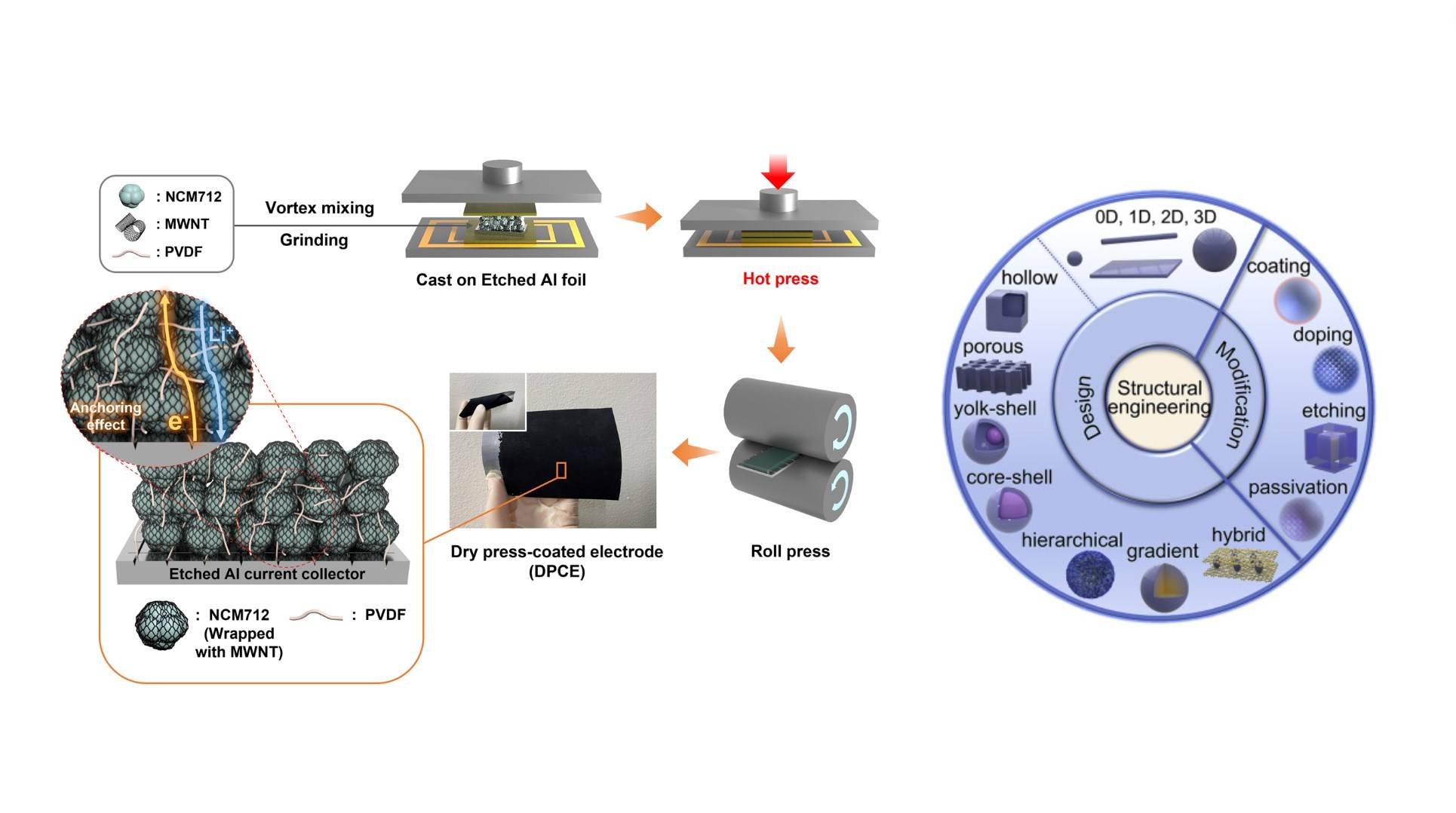
Alternative electrode materials are becoming crucial in the development of high-performance batteries. These materials can enhance battery efficiency, lifespan, and sustainability compared to traditional options. Understanding their benefits and types can help consumers and manufacturers make informed decisions about future energy storage solutions.

What Are Alternative Electrode Materials?
Alternative electrode materials refer to non-traditional substances used in battery construction, differing from conventional materials like lithium cobalt oxide (LiCoO2). These materials include organic compounds, silicon-based materials, and various metal oxides that aim to improve performance metrics such as energy density, safety, and cost-effectiveness.
| Definition | Description |
|---|---|
| Type | Non-traditional substances for battery electrodes |
| Examples | Organic compounds, silicon, metal oxides |
How Do Alternative Materials Improve Battery Performance?
Alternative materials can significantly enhance battery performance by:
- Increasing Energy Density: Some alternative materials can store more energy per unit weight.
- Enhancing Safety: Many alternatives reduce the risk of overheating and combustion.
- Improving Cycle Life: Certain materials can withstand more charge-discharge cycles without degrading.
| Performance Metric | Improvement Mechanism |
|---|---|
| Energy Density | Higher capacity storage |
| Safety | Lower risk of thermal runaway |
| Cycle Life | Greater durability under repeated use |
What Are the Key Types of Alternative Electrode Materials?
Key types of alternative electrode materials include:
- Organic Electrodes: Made from carbon-based compounds that are abundant and environmentally friendly.
- Silicon-Based Anodes: Offer higher capacity than traditional graphite anodes.
- Metal Oxides: Such as manganese dioxide or nickel oxide, which can provide high energy density.
| Material Type | Description |
|---|---|
| Organic Electrodes | Sustainable and low-cost |
| Silicon-Based Anodes | Higher capacity but may expand during charging |
| Metal Oxides | High energy density with good conductivity |
Why Is Research on Alternative Materials Important?
Research on alternative electrode materials is vital for several reasons:
- Sustainability: Many alternatives are derived from abundant resources, reducing reliance on scarce materials.
- Performance Enhancement: Innovations in material science can lead to batteries with superior performance characteristics.
- Cost Reduction: Developing cheaper alternatives can lower the overall cost of battery production.
| Importance | Description |
|---|---|
| Sustainability | Reduces dependence on rare resources |
| Performance Enhancement | Leads to better battery technologies |
| Cost Reduction | Makes batteries more affordable |
How Do Alternative Electrode Materials Compare to Traditional Ones?
Alternative electrode materials often outperform traditional ones in various aspects:

- Energy Density: Alternatives like silicon can offer much higher energy densities than conventional graphite.
- Safety: Organic electrodes generally have lower risks associated with thermal runaway.
- Environmental Impact: Many alternatives are more sustainable compared to lithium or cobalt-based materials.
| Comparison Factor | Traditional Electrodes | Alternative Electrodes |
|---|---|---|
| Energy Density | Limited capacity | Higher capacity potential |
| Safety | Moderate risk of overheating | Lower risk of thermal issues |
| Environmental Impact | Dependency on rare minerals | More sustainable sourcing options |
What Challenges Do Researchers Face with Alternative Materials?
Despite their potential, researchers face several challenges when developing alternative electrode materials:
- Stability Issues: Some materials may degrade quickly or not perform consistently over time.
- Manufacturing Complexity: New materials often require advanced manufacturing techniques that can be costly.
- Integration with Existing Technologies: Adapting new materials into current battery designs can be challenging.
| Challenge | Description |
|---|---|
| Stability Issues | Concerns about long-term performance |
| Manufacturing Complexity | Higher production costs for new technologies |
| Integration | Difficulty in adapting new materials into designs |
Redway Battery provides high-quality lithium batteries that can be used as alternatives or complements to traditional battery technologies, ensuring reliable energy storage solutions.
Buy Wholesale Battery Tips
For businesses looking to purchase batteries suitable for various applications, partnering with a reliable manufacturer is essential.Redway Battery, with over 13 years of experience, is an excellent choice for battery wholesale buyers or OEM orders clients overseas. To place an OEM order from Redway:
- Identify your specific battery requirements.
- Contact Redway’s sales team with your specifications.
- Discuss pricing, minimum order quantities, and lead times.
- Finalize your order details and confirm production timelines.
This process ensures you receive top-notch products tailored to your needs while benefiting from competitive pricing.
Industrial News
Recent advancements in alternative electrode material research have underscored the importance of sustainability in battery technology. Innovations such as organic electrodes and silicon anodes are gaining traction due to their potential for higher performance and lower environmental impact. As manufacturers seek greener solutions, these developments are critical for future energy storage systems.
Redway Expert Views
“Exploring alternative electrode materials is essential for advancing battery technology,” states an expert at Redway Battery. “By focusing on sustainable options, we can improve performance while addressing environmental concerns.”
Frequently Asked Questions About Alternative Electrode Materials
- What are alternative electrode materials? They are non-traditional substances used in batteries that enhance performance and sustainability.
- How do they improve battery performance? They increase energy density, enhance safety, and improve cycle life.
- What types are commonly used? Key types include organic electrodes, silicon-based anodes, and metal oxides.
- What challenges do researchers face? Stability issues, manufacturing complexity, and integration into existing technologies are significant challenges.

