




Golf Cart Battery Types
Half the type names in the market are marketing, and the other half change what the pack can survive.
This is the types page of the golf cart battery set: what deep cycle actually means, where AGM fits, and which of the newer labels are real engineering rather than repackaging.
Three routes through the types
The construction families, the labels that are real, and what each type is used for.
The construction families
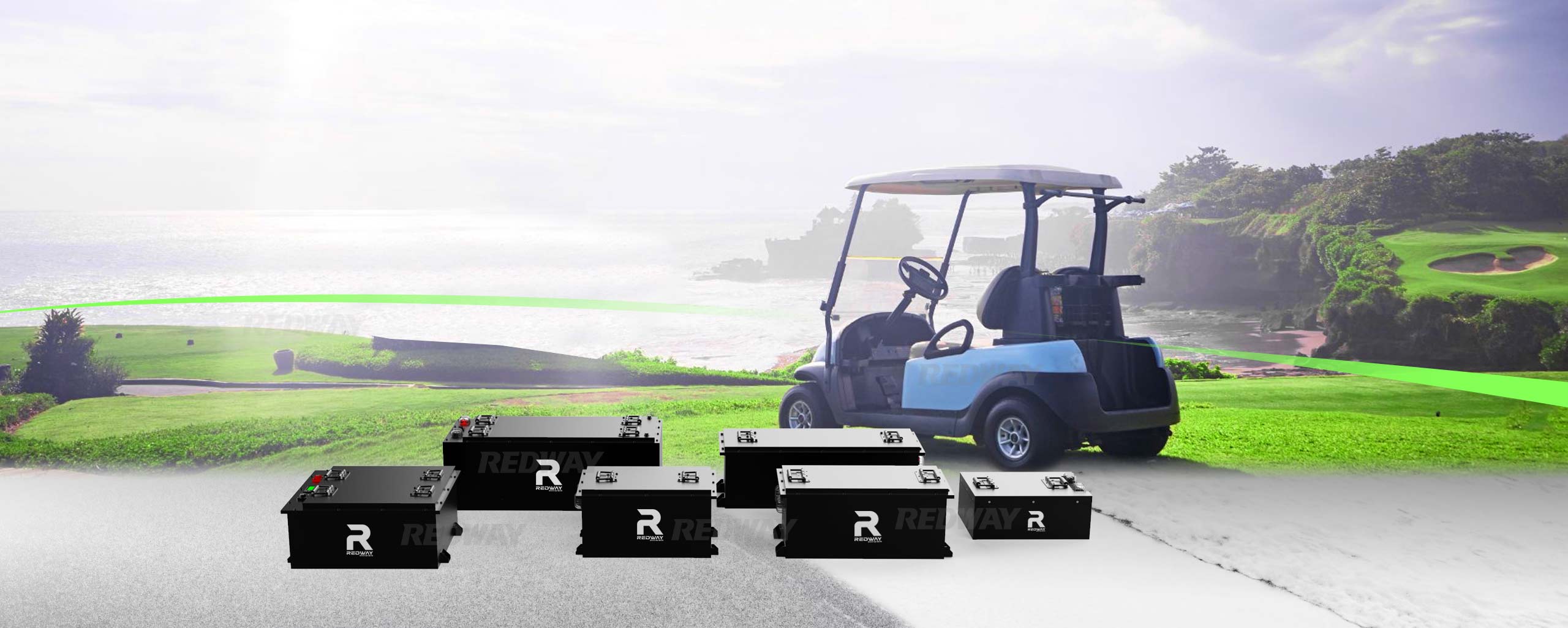
Flooded, AGM, gel and lithium. These are the real distinctions and everything else follows from them.
Which labels are real engineering
Extreme cycle, high cycle, EV and rebuilt. Some mean something; some are names.
- What Are The Cricket Mini Golf Carts Grasshopper Replacement Batteries?
- What Are Powerfast Golf Cart Batteries?
- What Are T1275 Batteries Used For In Golf Carts?
- What Are Golf Cart EV Batteries?
Show remaining 1 articles
What each type is for
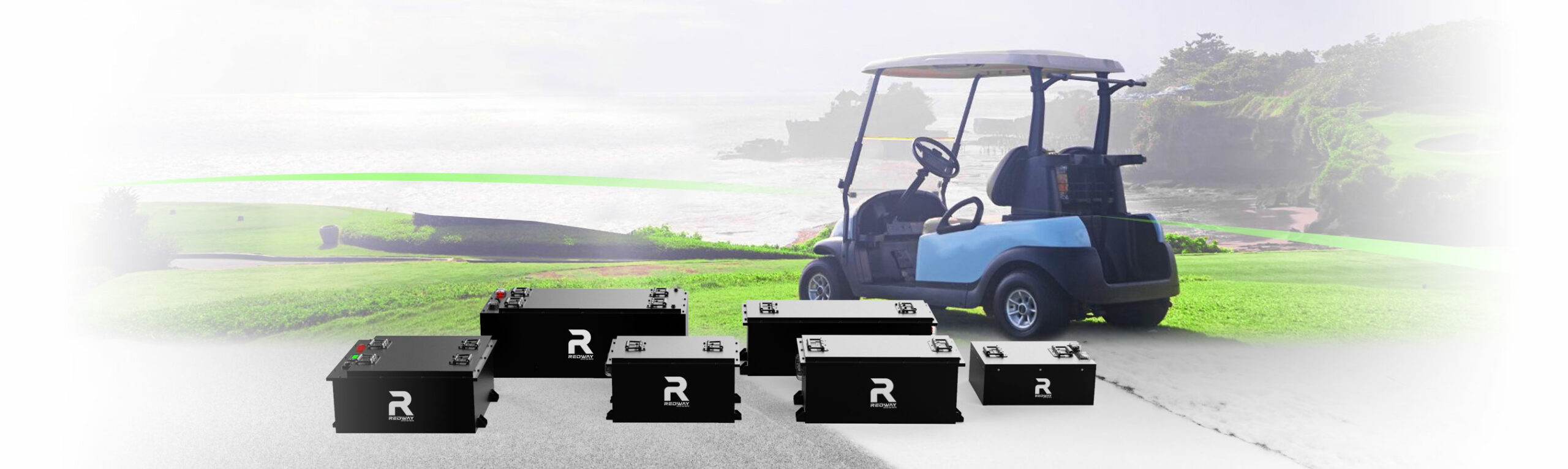
Applications, utility vehicles, and where a cart pack differs from an RV one.
The four real types
Everything sold for golf carts falls into one of four construction families. The rest is labelling.
Flooded is cheapest and needs the most attention
Flooded blocks have the highest energy per dollar and the longest cycle life at a given price, provided someone waters and equalises them. They also vent hydrogen while charging, so they need ventilation. In a fleet where nobody will do the watering, this type becomes the expensive one.
AGM removes the watering; lithium removes the whole routine
AGM is still lead-acid with the electrolyte held in glass mat, so it is sealed and maintenance-free but keeps lead-acid's 50% usable-capacity limitation. LiFePO4 changes the chemistry: about 90% usable, thousands of cycles, and no watering at all. The price gap tracks that difference closely.
Reading the labels honestly
Three of the common type names carry real meaning. The rest are product names wearing a specification's clothes.
Extreme cycle and high cycle describe plate design
Both refer to thicker plates and denser active material built for deeper, more frequent cycling than a standard GC2. They are legitimate grades and usually cost 15 to 30% more. Whether they pay off depends entirely on how deeply you discharge, because the benefit only appears past about 60% depth.
Rebuilt means what it says, and usually not much more
A rebuilt block is an old case with new or reclaimed plates and fresh electrolyte. It costs a fraction of new and performs like a block with unknown history, because that is what it is. Worth it only for a cart that is leaving the fleet within a season.
The four things that define a battery type
Plate thickness
The single biggest determinant of cycle life. Deep-cycle and extreme-cycle plates are thicker; starting plates are thin and fail fast in a cart.
Electrolyte containment
Flooded, AGM or gel changes maintenance and venting requirements, but not the fundamental 50% usable-capacity rule of lead-acid.
Chemistry
Lead-acid versus lithium is the only distinction that changes usable capacity, cycle count and weight all at once.
Charge profile required
Each type wants different absorption and float voltages. Using the wrong profile kills a pack as surely as a bad block does.
Questions people ask before they buy
What are deep cycle golf cart batteries?
Blocks built with thicker plates and denser active material so they can be discharged deeply and recharged repeatedly without rapid damage. Golf carts need deep-cycle construction; a starting battery with the same voltage and amp-hour label is not a substitute.
What is the difference between AGM and flooded golf cart batteries?
AGM holds the electrolyte in a glass mat, so it is sealed, needs no watering and cannot spill. Flooded is cheaper, tolerates overcharge slightly better and generally lasts a little longer if maintained. Both are lead-acid and both only give about half their label as usable capacity.
Are extreme cycle batteries worth the extra cost?
Only if you routinely discharge below about 60% depth. The thicker plates buy extra cycles at depth, and if your cart never goes below half charge you will not see the benefit before the block reaches calendar age.
What is a golf cart EV battery?
Usually a lithium pack sized and configured like the ones used in light electric vehicles, with a higher current BMS than a standard cart conversion. The distinction matters when the cart is lifted or tows, because that is when continuous current, not capacity, becomes the limiting figure.
What are golf cart batteries made of?
Lead-acid blocks are lead plates, lead oxide paste, a sulphuric acid electrolyte and a polypropylene case. Lithium packs are lithium iron phosphate or nickel manganese cobalt cells, a battery management system, and the same kind of plastic enclosure.
Tell us the cart and we will name the type
Send the cart model, how often it runs, the terrain and how the pack is stored. We will tell you which construction type suits it, and whether the premium grades would ever pay back on your duty.
