





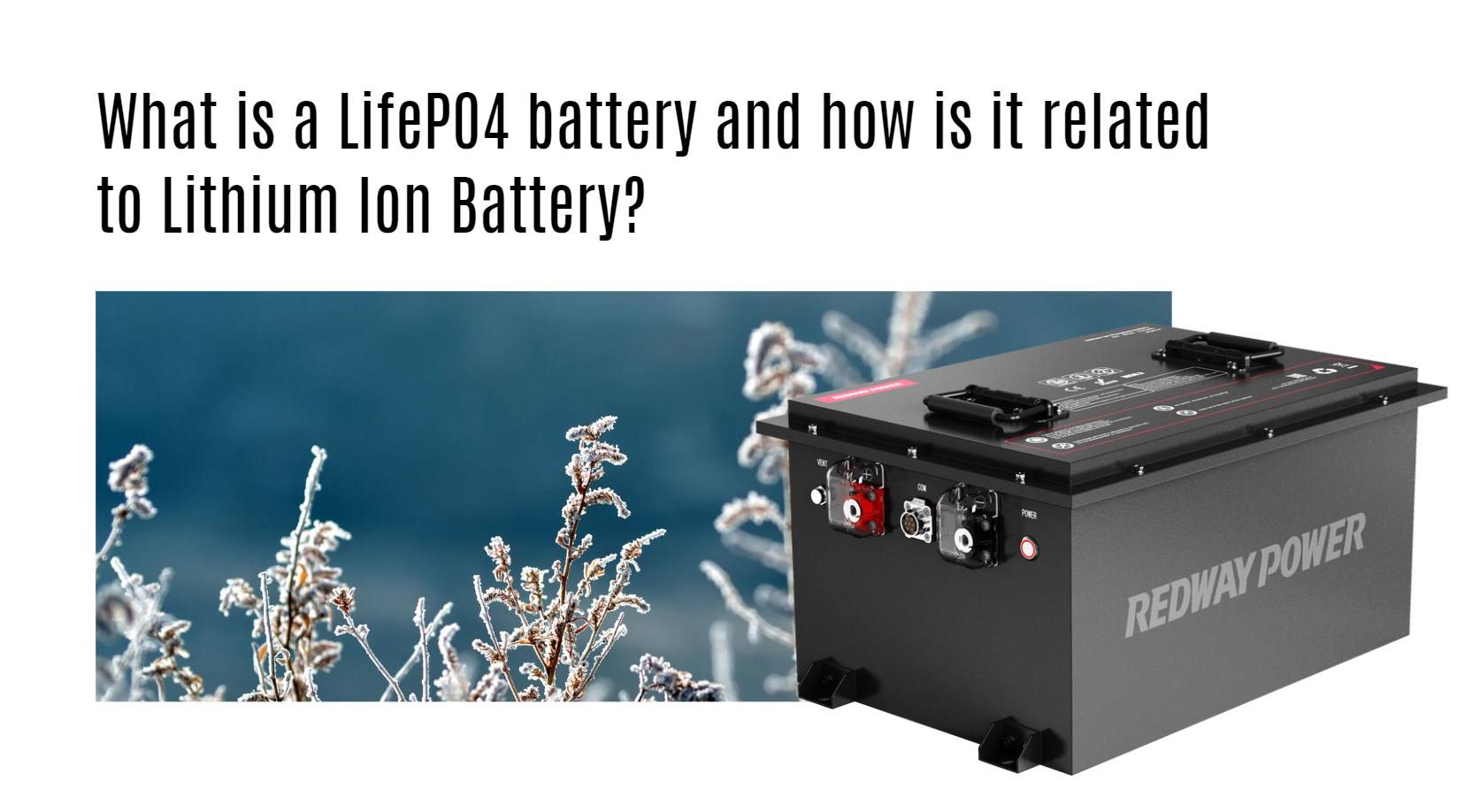
A LiFePO4 (lithium iron phosphate) battery is a type of lithium-ion battery that uses iron phosphate as the cathode material. While both share lithium-ion technology, LiFePO4 batteries offer enhanced safety, longer life cycles, and better thermal stability but have lower energy density compared to conventional lithium-ion batteries with cobalt-based cathodes.

What Is a LiFePO4 Battery?
A LiFePO4 battery, also called a lithium iron phosphate battery, uses lithium ions that move between the iron phosphate cathode and graphite anode during charge and discharge cycles. This chemistry provides stable, safe, and long-lasting energy storage suited for applications like electric vehicles, solar energy storage, and industrial equipment.
LiFePO4 batteries feature high discharge rates, resistance to thermal runaway, and durable performance in harsh conditions. Their nominal voltage is typically around 3.2 to 3.3 volts per cell, slightly lower than standard lithium-ion cells.
How Does LiFePO4 Compare Chemically to Traditional Lithium-Ion Batteries?
LiFePO4 batteries use iron phosphate (FePO4) for the cathode, while traditional lithium-ion batteries commonly use cobalt oxide, nickel oxide, or manganese oxide cathodes. This difference makes LiFePO4 inherently safer and more thermally stable, reducing risks of overheating and fire.
However, LiFePO4 cells have slightly lower voltage and energy density than standard lithium-ion batteries, leading to larger or heavier packs for the same energy storage.
Why Are LiFePO4 Batteries Considered Safer Than Other Lithium-Ion Batteries?
LiFePO4 batteries excel in safety due to chemical stability and resistance to thermal runaway, a dangerous overheating condition common in cobalt-based lithium-ion batteries. The iron phosphate cathode produces less heat during charging and discharging, minimizing fire or explosion risks, making these batteries ideal for stationary storage, electric vehicles, and harsh environment applications.

Which Applications Benefit Most from LiFePO4 Batteries?
Applications demanding long battery life, safety, and thermal stability find LiFePO4 batteries advantageous. These include solar energy storage systems, electric forklifts, golf carts, backup power solutions, and some electric vehicles. While traditional lithium-ion batteries suit small electronics and high-energy devices, LiFePO4 is preferred where longevity and safety outweigh energy density.
When Should You Choose a Traditional Lithium-Ion Battery Instead of LiFePO4?
Choose traditional lithium-ion batteries when high energy density and lightweight design are priorities, such as in smartphones, laptops, and long-range electric vehicles. Their higher voltage (typically 3.6–3.7 V per cell) and packing efficiency make them better suited for devices requiring compact size and maximum energy storage in limited space.
Where Do LiFePO4 Batteries Stand in Terms of Life Cycle and Longevity?
LiFePO4 batteries offer exceptionally long cycle life, often between 1,000 and 10,000 charge-discharge cycles, significantly outlasting typical lithium-ion batteries that average 500 to 1,000 cycles. This longevity reduces replacement costs and downtime, making LiFePO4 batteries highly cost-effective for industrial and renewable energy applications.
| Battery Type | Nominal Voltage per Cell | Energy Density (Wh/kg) | Cycle Life (Cycles) | Safety Level |
|---|---|---|---|---|
| LiFePO4 | 3.2 – 3.3 V | 90 – 120 | 1,000 – 10,000 | Very High |
| Traditional Lithium-ion | 3.6 – 3.7 V | 150 – 200 | 500 – 1,000 | Moderate |
Does the Lower Energy Density of LiFePO4 Affect Its Usage?
Yes, LiFePO4 batteries generally have lower energy density, meaning they store less energy per unit weight or volume compared to traditional lithium-ion batteries. This can result in heavier or larger battery packs for the same capacity, which may be less ideal in portable electronics but acceptable in stationary or industrial uses where size and weight are less critical.
How Do Charging and Discharging Characteristics Differ Between LiFePO4 and Lithium-Ion?
LiFePO4 batteries can handle higher charge and discharge rates without damage, supporting fast charging and high-power applications. Their voltage curve during discharge is flatter, providing a more consistent output voltage. Traditional lithium-ion batteries have higher nominal voltage but may degrade faster under fast charge or high discharge scenarios.
Can LiFePO4 Batteries Operate in Extreme Temperatures?
LiFePO4 batteries perform well in high temperatures (up to around 70°C) without significant degradation, while traditional lithium-ion batteries often degrade faster under heat stress. However, LiFePO4 batteries may have reduced performance in very low temperatures compared to some lithium-ion chemistries.
Are LiFePO4 Batteries More Eco-Friendly?
Yes, LiFePO4 batteries use abundant, non-toxic materials such as iron and phosphate, avoiding scarce and expensive metals like cobalt. This makes them more environmentally friendly and easier to recycle. Their long life also reduces waste and demand for frequent replacements.
How Does LiFePO4 Relate to the Broader Lithium-Ion Battery Family?
LiFePO4 is a subset of lithium-ion batteries characterized by its specific cathode chemistry. While sharing the core lithium-ion mechanism of storing and releasing energy via lithium ion movement, LiFePO4’s iron phosphate cathode distinguishes it by safety and longevity benefits over cobalt- or nickel-based lithium-ion batteries.
Where Can You Buy Quality LiFePO4 Batteries Like Redway Battery Offers?
Redway Battery, a leading OEM manufacturer in Shenzhen, specializes in high-quality LiFePO4 batteries for applications including forklifts, golf carts, solar, telecom, and energy storage. Their customized, reliable battery packs are certified to ensure safety, durability, and consistent performance worldwide, making them a preferred choice.
Redway Battery Expert Views
At Redway Battery, we recognize the growing global demand for lithium iron phosphate batteries driven by the need for safe, long-lasting, and cost-efficient energy solutions. Our advanced LiFePO4 battery packs deliver high performance with exceptional cycle life and safety features, tailored to a wide range of applications from industrial vehicles to renewable energy. We are committed to innovation and quality, helping propel the energy transition with reliable battery technology.”
Conclusion
LiFePO4 batteries are a robust, safe, and long-lasting variant of the lithium-ion family, offering distinct advantages in safety, cycle life, and environmental impact. While their lower energy density limits portable electronics use, they excel in stationary storage, industrial, and EV applications prioritizing durability and reliability. Understanding the differences from traditional lithium-ion batteries helps users select the best battery chemistry for their needs. Trusted suppliers like Redway Battery offer high-quality LiFePO4 packs tailored to diverse demands.
Frequently Asked Questions
What does LiFePO4 stand for?
Lithium Iron Phosphate, indicating the cathode material used in this type of lithium-ion battery.Are LiFePO4 batteries rechargeable?
Yes, they are rechargeable lithium-ion batteries designed for long-term use.Why do LiFePO4 batteries last longer than traditional lithium-ion?
Their chemical stability and thermal resistance reduce degradation and extend cycle life.Can LiFePO4 batteries be used in electric vehicles?
Yes, especially for standard-range EVs, industrial vehicles like forklifts, and energy storage.Is Redway Battery a reliable source for LiFePO4 packs?
Yes, Redway Battery offers certified, customizable LiFePO4 batteries with a global reputation for quality.

