





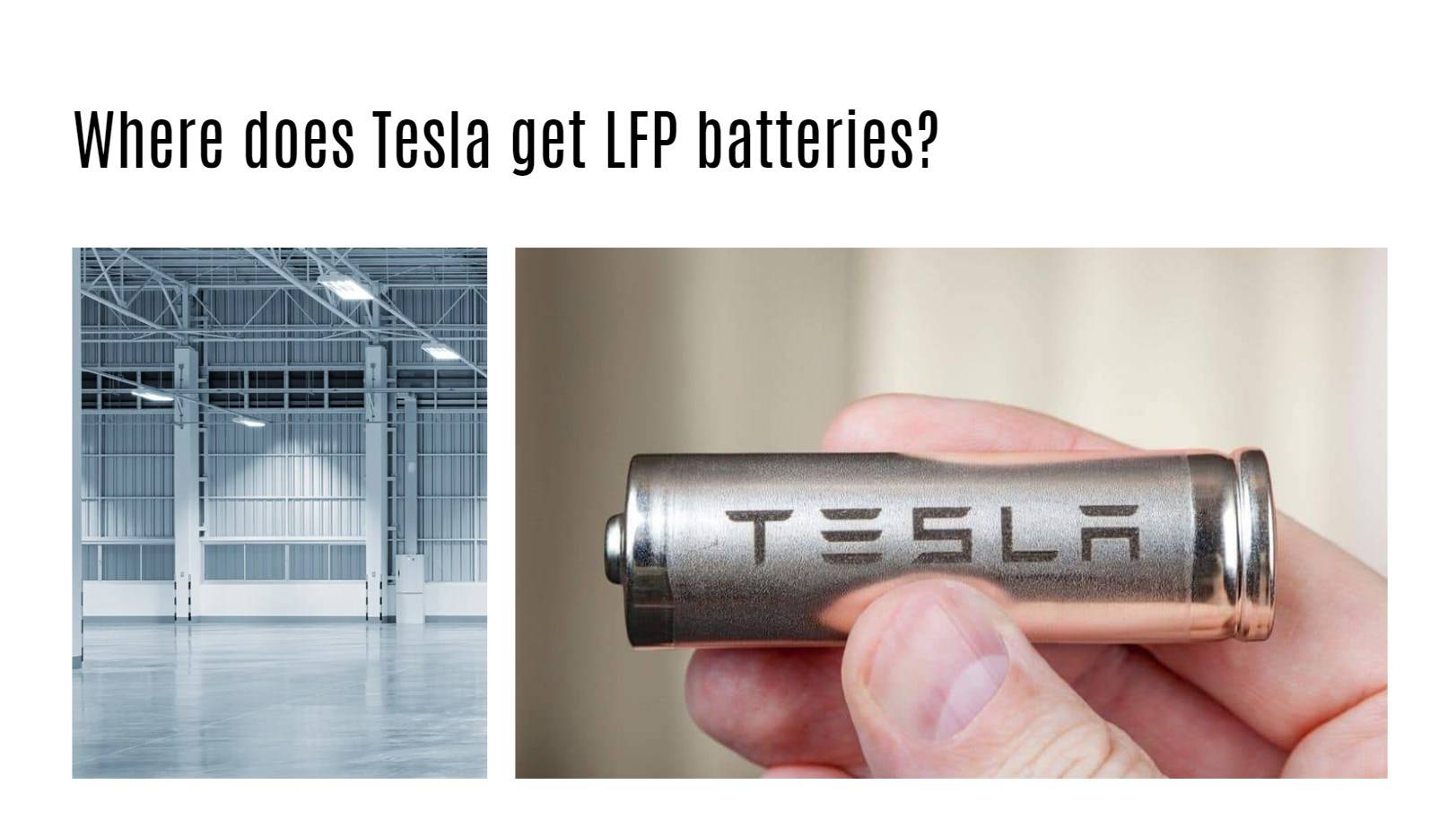
Tesla sources its lithium iron phosphate (LFP) batteries primarily from Chinese manufacturers CATL and BYD for its electric vehicles, especially those produced in its Shanghai Gigafactory. To reduce reliance on overseas suppliers, Tesla has also established domestic production of LFP cells in the United States, notably through a new factory in Nevada and a major supply contract with LG Energy Solution’s Michigan plant.

What Are Lithium Iron Phosphate (LFP) Batteries and Why Does Tesla Use Them?
LFP batteries use lithium iron phosphate as cathode material, offering safer, longer-lasting, and cost-effective energy storage compared to nickel-cobalt alternatives. Tesla employs LFP chemistry predominantly in standard-range vehicles due to their stability and affordability, despite having a lower energy density than nickel-based batteries.
Their robust thermal stability and reduced reliance on cobalt make LFP batteries attractive for large-scale EV manufacturing.
Where Does Tesla Source Its LFP Batteries From Globally?
Tesla currently sources LFP batteries mainly from Chinese manufacturers CATL and BYD, leaders in LFP technology supplying Tesla’s Shanghai Gigafactory and European markets. These firms produce Tesla’s LFP cells locally in China, providing cost advantages and technology access.
In parallel, Tesla is diversifying supply by establishing production lines in the US to reduce dependence on Chinese imports and tariffs.
How Is Tesla Expanding Its Domestic LFP Battery Production?
Tesla has invested in a dedicated LFP battery manufacturing plant in Nevada, repurposing equipment acquired from China’s CATL. The Nevada factory aims to produce around 10 GWh annually. Additionally, Tesla signed a multimillion-dollar supply agreement with LG Energy Solution for US-made LFP cells from its Michigan plant, primarily for Tesla’s stationary energy storage systems, with plans to expand domestic production capabilities.

This onshoring effort aligns with Tesla’s strategic goal to create a resilient American battery supply chain.
Why Is Tesla Reducing Its Dependence on Chinese LFP Battery Suppliers?
Tesla is motivated by geopolitical risks, rising tariffs, and supply chain uncertainties linked to Chinese battery production. Import tariffs increase costs, and trade tensions complicate logistics. Establishing US-based production and multi-sourcing LFP cells allow Tesla to secure supply, reduce expenses, and meet domestic content requirements for government incentives.
Diversification ensures Tesla’s operational stability and cost competitiveness in EV and energy storage products.
Which Tesla Products Use LFP Batteries?
Tesla primarily equips its standard-range Model 3 and Model Y EVs with LFP batteries, especially those manufactured for the Chinese, European, and selected North American markets. Tesla’s stationary energy storage systems, including Powerwalls and Megapacks, increasingly use LFP chemistry as well, favored for longevity, safety, and cost efficiency.
High-performance or long-range Tesla vehicles typically use nickel-based chemistries to maximize energy density.
How Does Tesla’s Choice of LFP Batteries Affect Performance and Cost?
LFP batteries offer longer cycle life and enhanced thermal stability, reducing fire risks. They cost less due to absence of cobalt and nickel, decreasing raw material costs. However, their lower energy density translates into heavier and slightly less range-efficient battery packs, limiting use in long-range vehicles.
Tesla balances cost and performance by deploying LFP where practical without compromising vehicle usability.
What Role Do Tesla’s Partners Play in LFP Battery Supply?
Chinese manufacturers CATL and BYD are Tesla’s key LFP battery suppliers, delivering proven cell technology and large-volume capacity. LG Energy Solution now supports Tesla’s US ambitions with a $4.3 billion LFP cell supply contract. Tesla’s acquisition of CATL’s equipment for its Nevada factory also highlights significant collaboration.
These partnerships underpin Tesla’s expanding LFP production and supply security.
When Did Tesla Begin Using LFP Batteries, and How Has This Evolved?
Tesla started integrating LFP batteries into Model 3 Standard Range vehicles produced in Shanghai around 2020. Since then, usage expanded to other vehicles and energy storage products. The shift intensified with the China-US trade tensions and Tesla’s domestic production ramp-up starting in 2024-2025.
The company continues to innovate LFP battery designs and manufacturing to enhance performance and scale.
Are Tesla’s LFP Batteries Fully Made in the USA?
Currently, only a portion of Tesla’s LFP batteries are produced domestically, notably from the Nevada and Michigan facilities. While the majority still come from China-based factories due to scale and expertise, Tesla’s US production plans aim to increase this share substantially over the next several years.
Full US LFP battery production is an evolving goal in Tesla’s strategic roadmap.
Can Tesla’s LFP Battery Technology Be Customized or Improved?
Tesla actively works on LFP battery improvements, including increasing energy density, reducing costs, and enhancing durability. The company’s own manufacturing innovations and collaborations with its battery suppliers help develop customized solutions tailored to Tesla’s vehicles and grid storage systems.
This ongoing development supports Tesla’s leadership in battery technology innovation.
Redway Battery Expert Views
“At Redway Battery, we recognize the critical importance of sourcing advanced lithium iron phosphate batteries for automotive and energy storage applications. Tesla’s shift to LFP chemistry underscores the balance between safety, cost, and sustainability in modern battery solutions. As an experienced OEM lithium battery manufacturer, Redway Battery is committed to delivering high-performing, durable, and customizable LiFePO4 battery packs that meet stringent industry standards and support innovations in mobility and clean energy worldwide.”
Conclusion
Tesla’s lithium iron phosphate batteries predominantly come from Chinese suppliers CATL and BYD, supplemented by new domestic production facilities in Nevada and Michigan through partnerships like LG Energy Solution. This strategic diversification addresses cost, supply chain resilience, and geopolitical risks. LFP batteries enable Tesla to offer safer, affordable EV options and robust energy storage systems while continuously innovating to improve battery performance and production footprint.
Frequently Asked Questions
Q1: Why does Tesla prefer LFP batteries for some models?
Tesla chooses LFP for cost-effectiveness, improved safety, and longer life in standard-range EVs and stationary storage.
Q2: Which companies supply Tesla’s LFP batteries?
Major suppliers include CATL, BYD in China, and LG Energy Solution in the US.
Q3: Are Tesla’s LFP batteries made entirely in the US now?
No, but Tesla is increasing US production through the Nevada plant and LGES’s Michigan factory.
Q4: How do LFP batteries compare with nickel-based batteries in Tesla cars?
LFP batteries have lower energy density but are more affordable, longer-lasting, and safer.
Q5: Does Tesla manufacture its own LFP cells?
Tesla has begun domestic production and acquired equipment but still relies on partners for a significant portion.

