




REDWAY BATTERY / KNOWLEDGE
What Battery Fits GEM e4 72V Global Electric Motorcar?
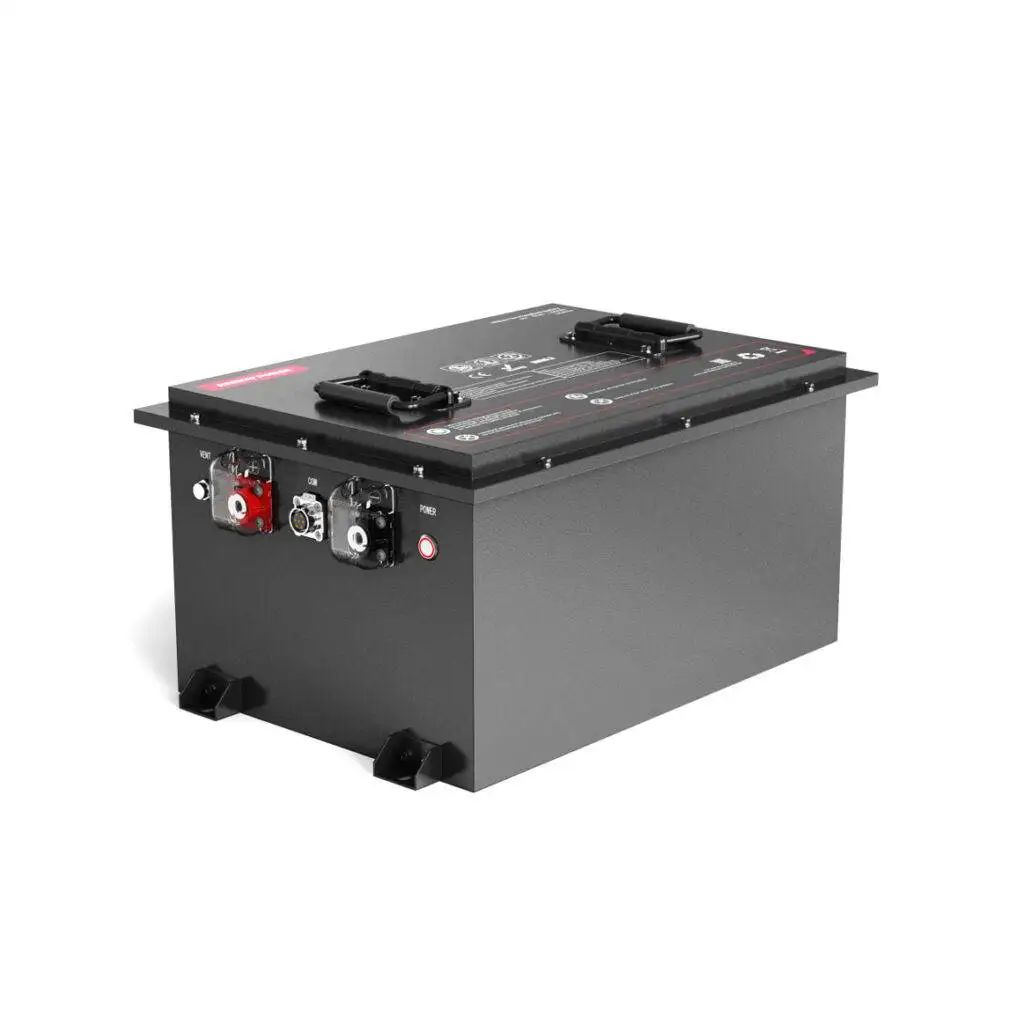
The GEM e4 72V model requires a battery system matching its 72V nominal voltage and specific energy demands. Lithium iron phosphate (LiFePO4) or NMC batteries with capacities ranging from 100Ah to 200Ah are typically compatible, offering high discharge rates and thermal stability for low-speed electric vehicles. Battery dimensions (e.g., 600x400x250mm) and communication protocols (CAN bus) must align with the vehicle’s compartment and BMS requirements.
What Makes 1275 Golf Cart Batteries a Top Choice for Power?
What are the voltage and capacity requirements?
The GEM e4 operates on a 72V nominal system with a recommended capacity of 150–200Ah for optimal range (90–120 km). Charging voltage must not exceed 84V for LiFePO4 chemistry. Pro Tip: Verify terminal spacing (e.g., M8 bolts) matches factory specs to prevent connection failures.
Beyond basic voltage matching, the battery’s continuous discharge rate (C-rate) must align with the vehicle’s 10–12kW motor. For example, a 72V 200Ah LiFePO4 pack rated for 2C discharge provides 400A—sufficient for steep 25% grade climbs. However, using undersized cables can cause voltage drops exceeding 5%. Always prioritize batteries with IP67-rated enclosures for dust/water resistance in off-road conditions.
Which battery chemistries work best?
LiFePO4 batteries dominate GEM e4 retrofits due to their 3,000+ cycle life and intrinsic safety. NMC alternatives offer 20% higher energy density but require advanced thermal management. The battery management system (BMS) must include cell balancing (±20mV) and temperature cutoff at 55°C.
Practically speaking, LiFePO4’s flat discharge curve maintains 72V±5% from 100% to 20% SOC, preventing motor controller errors. NMC packs, while lighter, show voltage drops up to 15% under load—something GEM’s legacy systems might misinterpret as faults. Did you know third-party BMS reprogramming often voids warranties? For commercial fleets, modular LiFePO4 configurations allow 10-minute hot-swaps using polarized connectors.
| Chemistry | Energy Density | Cycle Life |
|---|---|---|
| LiFePO4 | 120Wh/kg | 3,500 |
| NMC | 150Wh/kg | 2,000 |
How does physical sizing impact compatibility?
Original GEM e4 battery trays measure 680x450x300mm with weight limits under 140kg. Aftermarket solutions must maintain center of gravity within 10% of OEM specs (front/rear weight ratio 55:45).
Battery height becomes critical—exceeding 300mm interferes with rear suspension travel. Some installers add 5mm rubber spacers between modules to improve vibration resistance. Pro Tip: Use laser alignment tools when stacking prismatic cells; a 2mm misalignment accelerates case fatigue by 200%.
| Dimension | OEM Spec | Tolerance |
|---|---|---|
| Length | 680mm | ±3mm |
| Width | 450mm | ±2mm |
Redway Battery Expert Insight
How to Choose the Best Electric Golf Trolley for Your Game
FAQs
Not recommended—Tesla’s 400V architecture requires complex DC-DC conversion. Direct 72V solutions maintain simpler wiring and avoid 15% efficiency losses.
Does cold weather affect range?
LiFePO4 retains 85% capacity at -20°C vs. NMC’s 65%. Precondition batteries via AC power 1 hour before use in sub-zero conditions.
For the surrounding sizing, selection, installation and maintenance decisions, continue with the Yamaha Golf Cart Battery — and GEM, Star EV, Kandi and E-Ride.
