




REDWAY BATTERY / KNOWLEDGE
What Battery Powers Club Car XRT800 Utility Vehicle?
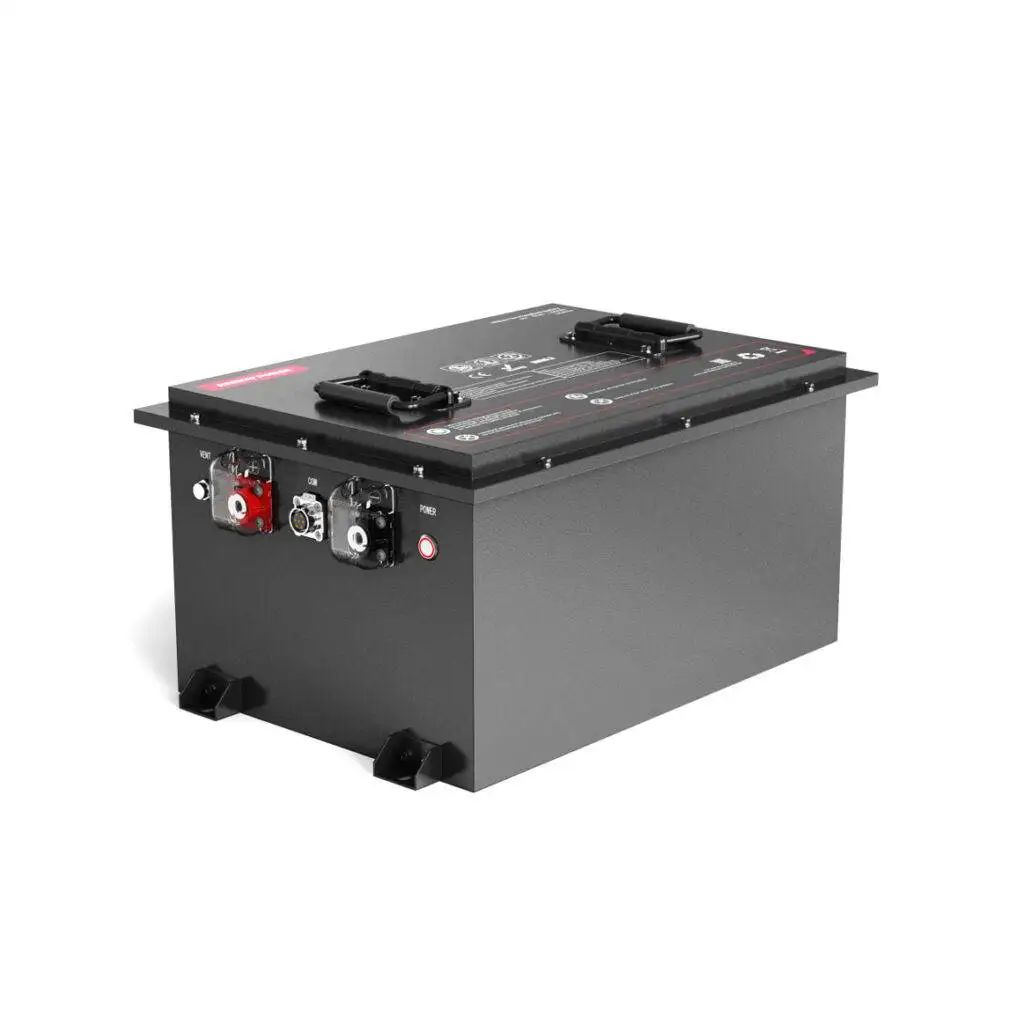
The Club Car XRT800 utility vehicle typically operates using a 48V lead-acid battery system configured as four 12V deep-cycle batteries. These absorbent glass mat (AGM) or flooded batteries provide 170–190 Ah capacity, balancing torque demands and runtime for off-road terrain. Pro Tip: Lithium-ion upgrades (e.g., 48V 100Ah LiFePO4) reduce weight by 60% while doubling cycle life, but require compatible chargers and BMS integration.
What Makes 1275 Golf Cart Batteries a Top Choice for Power?
How does voltage affect XRT800 performance?
Higher 48V systems deliver 33% more torque than 36V equivalents, crucial for steep inclines. Voltage directly impacts motor RPM—48V setups achieve ~4,500 RPM vs. 3,400 RPM at 36V. However, sustained high loads accelerate plate corrosion in lead-acid batteries. Example: A 48V XRT800 climbs 25° slopes at 15 mph vs. 10 mph with 36V. Always verify controller amp ratings match battery discharge specs.
What chemistry suits XRT800 applications?
Lead-acid remains OEM-standard due to lower upfront costs ($800–$1,200), while lithium variants excel in frequent-use scenarios. Lithium-ion batteries offer 2,000+ cycles at 80% DoD versus 500 cycles for AGM. Transitional Note: Though lithium retrofits cost 2–3x more initially, their 8–10 year lifespan often justifies investment. Comparison table highlights:
| Parameter | Lead-Acid | LiFePO4 |
|---|---|---|
| Weight | 62 lbs each | 31 lbs each |
| Charge Time | 8–10 hrs | 4–5 hrs |
Redway Battery Expert Insight
FAQs
Yes, but upgrade solenoid and controller to handle lithium’s faster discharge rates. Keep existing battery trays but add compression plates for lighter lithium cells.
How often should lead-acid batteries be watered?
Check monthly—top up with distilled water when plates become exposed. Overwatering dilutes electrolyte, while under-watering accelerates sulfation.
This topic belongs to the wider Club Car Battery: Precedent, Carryall and What Fits Each Model, which brings the related decisions and practical checks together.
