




Lead-Acid, AGM and Deep-Cycle Battery Guides: Choose, Size, Use and Maintain
Separate starting demand from deep-cycle duty, then compare maintenance, ventilation and usable depth of discharge.
Use this main guide to reach 4 focused sub-guides without pushing any article beyond three clicks from the homepage.
Follow the decision in the order the system is built
The sub-guides separate planning, compatibility and daily operation so each page stays focused and within its link budget.
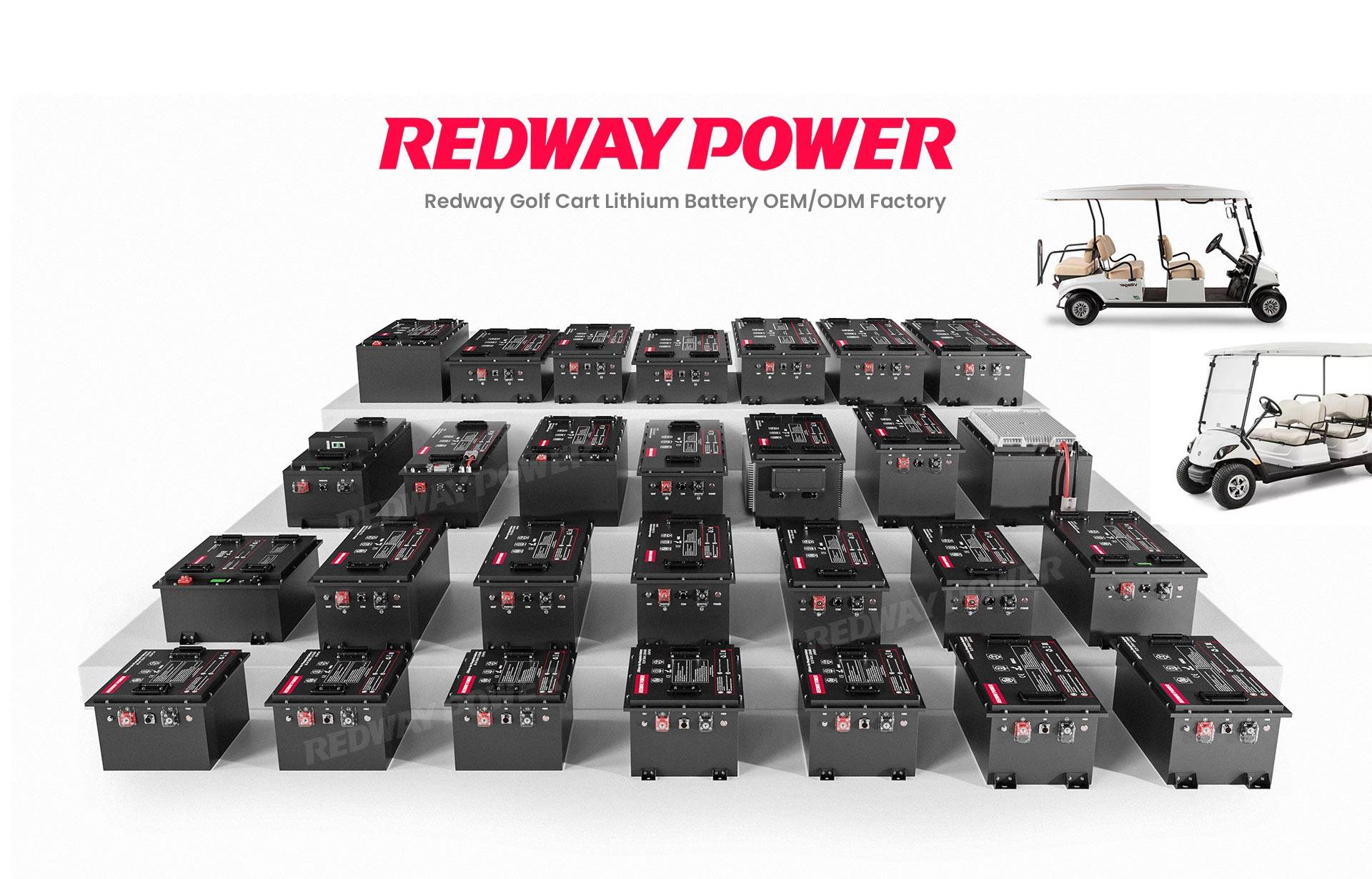
Choose and size the system
Lead-Acid, AGM and Deep-Cycle Battery decisions work best when separate starting demand from deep-cycle duty, then compare maintenance, ventilation and usable depth of discharge. This the complete guide set group is arranged for owners comparing traditional deep-cycle systems, so the sequence follows the real decision rather than publication date. Use the linked guidance to confirm measurements and operating assumptions, then record the result before comparing a product or supplier. Topics such as the complete guide set are useful only when read against the same duty cycle. The practical objective is to prevent sulfation, watering failures and short cycle life. Planning should end with a written specification that another technician or buyer can check, not a brand preference or a single headline number.
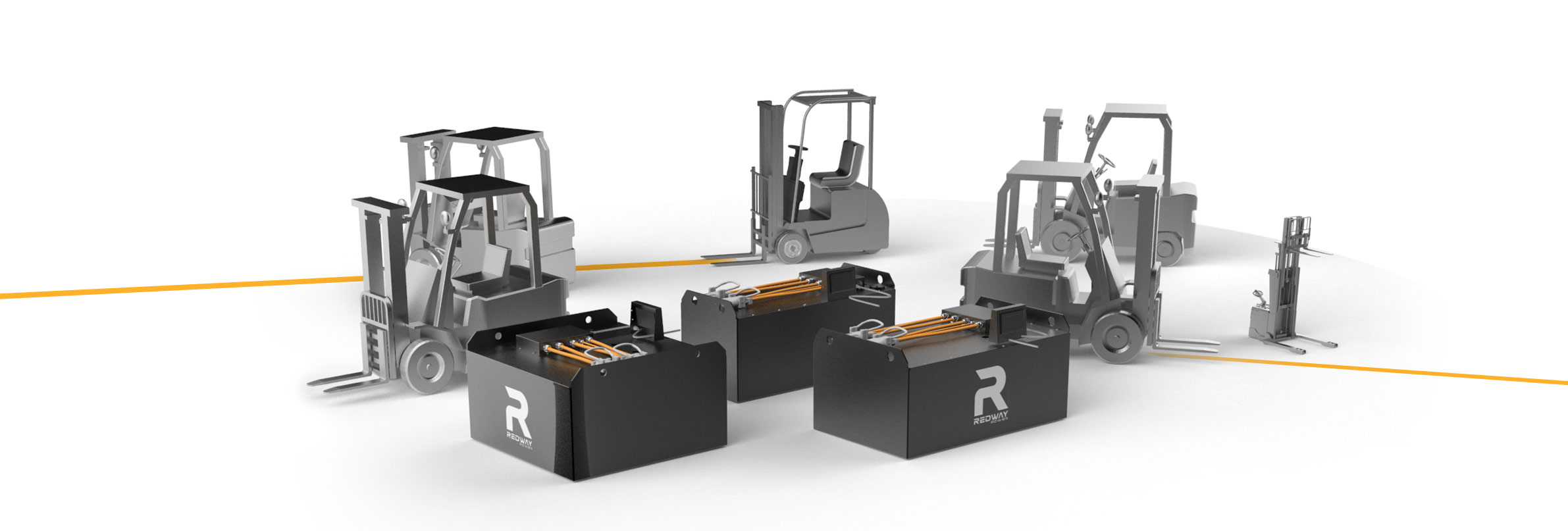
Install and match components
Lead-Acid, AGM and Deep-Cycle Battery decisions work best when separate starting demand from deep-cycle duty, then compare maintenance, ventilation and usable depth of discharge. This the complete guide set group is arranged for owners comparing traditional deep-cycle systems, so the sequence follows the real decision rather than publication date. Use the linked guidance to confirm measurements and operating assumptions, then record the result before comparing a product or supplier. Topics such as the complete guide set are useful only when read against the same duty cycle. The practical objective is to prevent sulfation, watering failures and short cycle life. Installation should end with a written specification that another technician or buyer can check, not a brand preference or a single headline number.
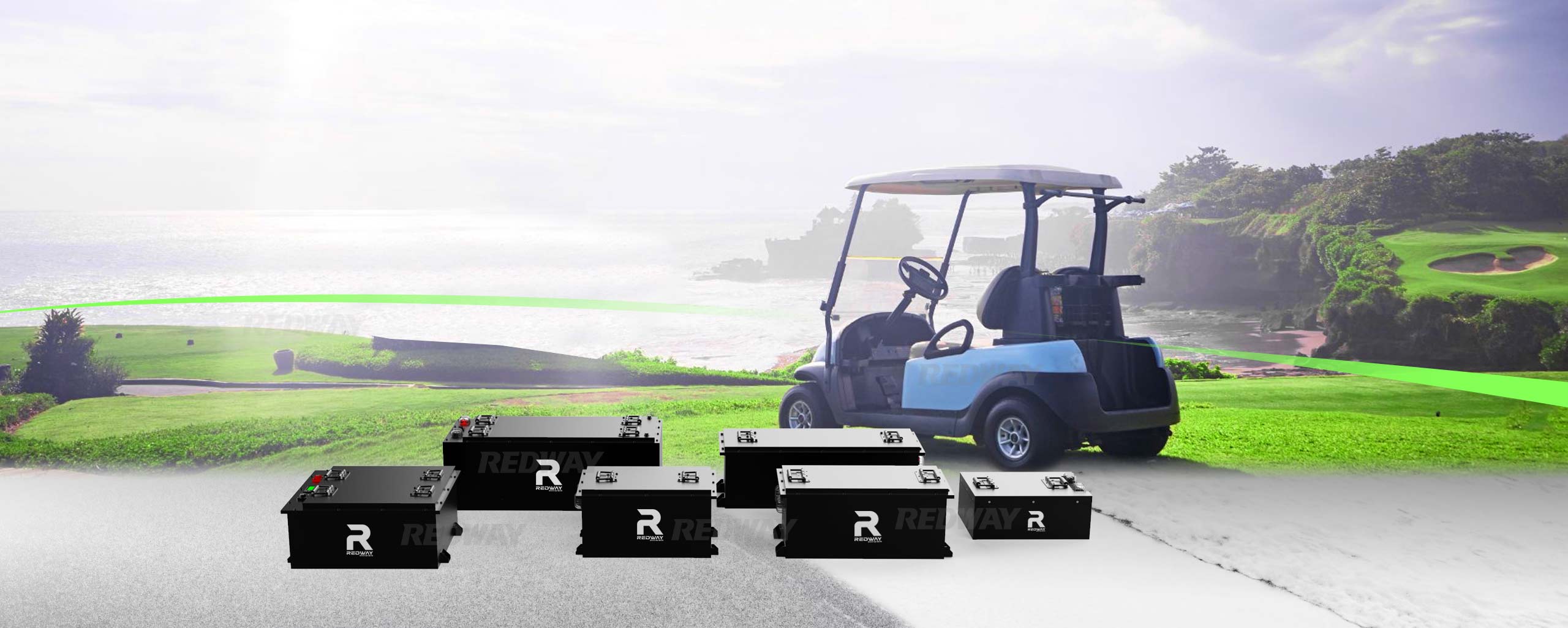
Operate, maintain and improve
Lead-Acid, AGM and Deep-Cycle Battery decisions work best when separate starting demand from deep-cycle duty, then compare maintenance, ventilation and usable depth of discharge. This the complete guide set group is arranged for owners comparing traditional deep-cycle systems, so the sequence follows the real decision rather than publication date. Use the linked guidance to confirm measurements and operating assumptions, then record the result before comparing a product or supplier. Topics such as the complete guide set are useful only when read against the same duty cycle. The practical objective is to prevent sulfation, watering failures and short cycle life. Operation should end with a written specification that another technician or buyer can check, not a brand preference or a single headline number.
Define the requirement before the product
Start with the load and operating schedule, because those facts set voltage, usable energy and current requirements. Lead-Acid, AGM and Deep-Cycle Battery decisions work best when separate starting demand from deep-cycle duty, then compare maintenance, ventilation and usable depth of discharge. This the main decision group is arranged for owners comparing traditional deep-cycle systems, so the sequence follows the real decision rather than publication date. Use the linked guidance to confirm measurements and operating assumptions, then record the result before comparing a product or supplier. Topics such as the main decision are useful only when read against the same duty cycle. The practical objective is to prevent sulfation, watering failures and short cycle life. Planning should end with a written specification that another technician or buyer can check, not a brand preference or a single headline number.
Make compatibility a written checklist
Treat physical fit, connectors, protection and the charger as part of the same specification. Lead-Acid, AGM and Deep-Cycle Battery decisions work best when separate starting demand from deep-cycle duty, then compare maintenance, ventilation and usable depth of discharge. This the main decision group is arranged for owners comparing traditional deep-cycle systems, so the sequence follows the real decision rather than publication date. Use the linked guidance to confirm measurements and operating assumptions, then record the result before comparing a product or supplier. Topics such as the main decision are useful only when read against the same duty cycle. The practical objective is to prevent sulfation, watering failures and short cycle life. Planning should end with a written specification that another technician or buyer can check, not a brand preference or a single headline number.
Compare lifetime value, not one price
Compare suppliers with one written duty cycle so price, runtime and expected life mean the same thing. Lead-Acid, AGM and Deep-Cycle Battery decisions work best when separate starting demand from deep-cycle duty, then compare maintenance, ventilation and usable depth of discharge. This the main decision group is arranged for owners comparing traditional deep-cycle systems, so the sequence follows the real decision rather than publication date. Use the linked guidance to confirm measurements and operating assumptions, then record the result before comparing a product or supplier. Topics such as the main decision are useful only when read against the same duty cycle. The practical objective is to prevent sulfation, watering failures and short cycle life. Review should end with a written specification that another technician or buyer can check, not a brand preference or a single headline number.
Commission with measurable evidence
Commission the system under normal load and record a baseline for later maintenance and warranty decisions. Lead-Acid, AGM and Deep-Cycle Battery decisions work best when separate starting demand from deep-cycle duty, then compare maintenance, ventilation and usable depth of discharge. This the main decision group is arranged for owners comparing traditional deep-cycle systems, so the sequence follows the real decision rather than publication date. Use the linked guidance to confirm measurements and operating assumptions, then record the result before comparing a product or supplier. Topics such as the main decision are useful only when read against the same duty cycle. The practical objective is to prevent sulfation, watering failures and short cycle life. Review should end with a written specification that another technician or buyer can check, not a brand preference or a single headline number.
Keep the structure current
Review the guide set when equipment, routes, temperatures or charging windows change. Lead-Acid, AGM and Deep-Cycle Battery decisions work best when separate starting demand from deep-cycle duty, then compare maintenance, ventilation and usable depth of discharge. This the main decision group is arranged for owners comparing traditional deep-cycle systems, so the sequence follows the real decision rather than publication date. Use the linked guidance to confirm measurements and operating assumptions, then record the result before comparing a product or supplier. Topics such as the main decision are useful only when read against the same duty cycle. The practical objective is to prevent sulfation, watering failures and short cycle life. Review should end with a written specification that another technician or buyer can check, not a brand preference or a single headline number.
Frequently asked questions
How should I start with lead-acid, agm and deep-cycle battery?
Start with the application and duty cycle, then verify voltage, usable capacity, current, dimensions and charging. That order prevents a familiar model name from overriding the requirements that decide whether the system works.
How many articles are included here?
This guide routes to 4 focused articles. The links are grouped by decision stage and long lists are folded for readability without removing them from the page or from search-engine discovery.
What is the most common mistake?
The common mistake is comparing one specification in isolation. Lead-Acid, AGM and Deep-Cycle Battery performance depends on the battery, charger, load, environment and operating schedule working as one system.
When should a specialist check the choice?
Use a qualified supplier or technician when the installation changes voltage, connectors, charging equipment, counterweight, ventilation or protection settings. Those changes affect safety as well as performance.
What should be documented after installation?
Record model, chemistry, nominal voltage, usable capacity, charge settings, connector, commissioning date and baseline runtime. Those records make later maintenance and warranty decisions much faster.
Need a checked battery recommendation?
Share the application, voltage, capacity, dimensions and duty cycle for a recommendation built around the real operating constraints.
