




APPLICATION & KNOWLEDGE HUB
Battery voltage and capacity guides
Make sense of capacity, energy and connection arrangements. Use these articles to turn headline numbers into questions you can check against an actual battery specification.
For readers comparing battery specifications
FIND YOUR STARTING POINT
What are you working on?
Enter the topic that matches your next decision. Each path names a first read and explains where to go next.
Comparing Ah and energy figures?
Choose between unit definitions and sizing inputs.
Choose this path 02 / Connection arrangementsConsidering series or parallel?
Separate the overall arrangement from parallel-specific questions.
Choose this path 03 / Voltage chartsLooking for a voltage chart?
Select the reference for the relevant system voltage.
Choose this pathHow these topics connect
Capacity and energy guides explain the quantities being compared. Connection guides address system arrangement. Voltage charts are chemistry-specific reference paths, so choose them after identifying the system rather than treating them as sizing guides.
Capacity and energy
Choose between unit definitions and sizing inputs.
Your reading path
Read Ah versus Wh first if the units are unclear; use the capacity calculation article when assembling sizing inputs.

Connection arrangements
Separate the overall arrangement from parallel-specific questions.
Your reading path
Begin with series versus parallel; read the parallel guide when that is the arrangement under consideration.
What Is the Difference Between Series and Parallel LiFePO4 Batteries?
What changes when batteries are arranged in series or in parallel.
Read guide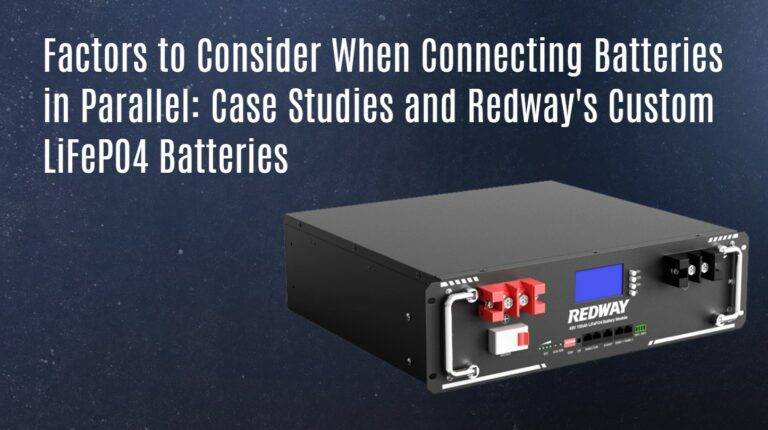
How to Connect Batteries in Parallel: Key Considerations
Parallel connection concepts, constraints and matching considerations.
Read guideVoltage charts
Select the reference for the relevant system voltage.
Your reading path
Choose the 36V or 72V article that matches the system. Use the capacity route for energy-sizing questions.
