




REDWAY BATTERY / KNOWLEDGE
What Battery Fits Club Car Carryall 500 Utility Vehicle?
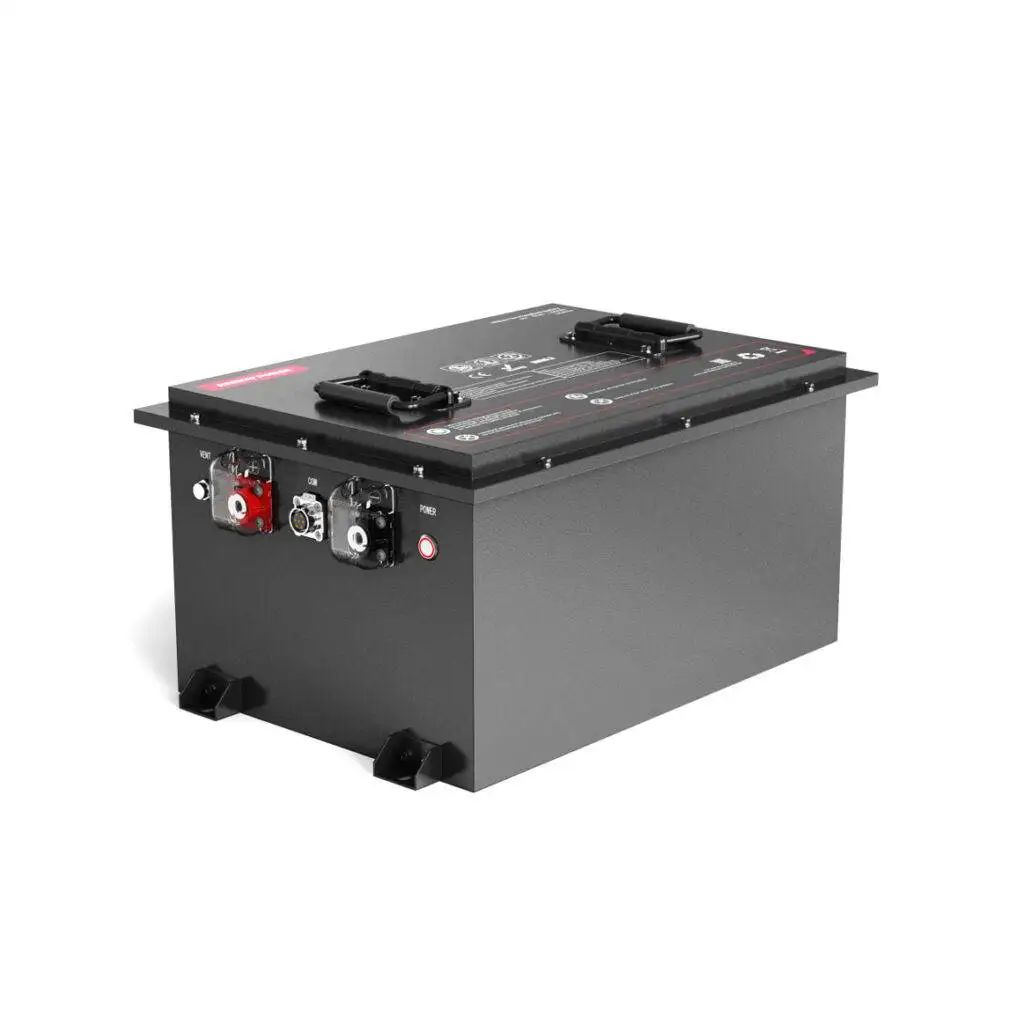
The Club Car Carryall 500 utility vehicle typically uses a 48V battery system composed of six 8V lead-acid batteries. However, lithium-ion replacements like the 502045 polymer lithium cell (3.7V nominal) are increasingly used in custom configurations. These compact lithium cells can be arranged in series to match the voltage requirement—for example, 13 cells × 3.7V ≈ 48V—while reducing weight by ~60% compared to traditional lead-acid setups.
What defines battery compatibility for the Club Car Carryall 500?
Key factors include voltage alignment (48V nominal), physical dimensions (to fit factory trays), and terminal orientation. Lithium upgrades must replicate lead-acid group voltages—each 8V lead-acid segment translates to 3×3.7V LiFePO4 cells in series.
Deep Dive: The stock battery compartment measures 32″L × 21″W × 10″H, requiring replacements like the 502045 cells (50×20×45mm per cell) to be arranged in custom packs. A lithium configuration might use 78 cells total—13 groups of 6 cells in parallel (13S6P)—to deliver 48V and 360Ah capacity. Why does this matter? This setup doubles the original 170Ah lead-acid capacity while cutting charging times by 40%. Pro Tip: Use laser-welded nickel strips rather than soldering for cell connections—heat from soldering risks damaging polymer electrolytes.
How does lithium performance compare to lead-acid?
| Metric | Lead-Acid | 502045 Lithium |
|---|---|---|
| Cycle Life | 500 cycles | 2,000+ cycles |
| Weight | 62 lbs per 8V unit | 0.3 lbs per 3.7V cell |
| Peak Current | 150A | 300A (per 6P group) |
Deep Dive: Lithium cells maintain >80% capacity beyond 1,500 cycles versus lead-acid’s steep decline after 300 cycles. For heavy utility use, this means 5-7 years of service versus 18-24 months. But what about cold weather? Lithium chemistries like LiFePO4 retain 85% capacity at -20°C with proper heating circuits, while lead-acid plummets to 50%. Transitional note: Beyond longevity, the 502045’s 600mAh rating per cell requires careful balancing—unbalanced packs risk premature failure during high-torque hill climbs.
What Makes 1275 Golf Cart Batteries a Top Choice for Power?
Redway Battery Expert Insight
FAQs
Never mix chemistries—different charge/discharge curves cause system instability. Full lithium conversion requires replacing all batteries and updating the charger.
What happens if I use undersized cables?
Voltage drops exceeding 3% during acceleration may trigger controller errors. Upgrade to 4AWG welding cable with 300A Anderson connectors for lithium conversions.
For the surrounding sizing, selection, installation and maintenance decisions, continue with the Club Car Battery: Precedent, Carryall and What Fits Each Model.
