




REDWAY BATTERY / KNOWLEDGE
A Practical Guide to 48V LiFePO4 Golf Cart Batteries and Modern Lithium Energy Systems
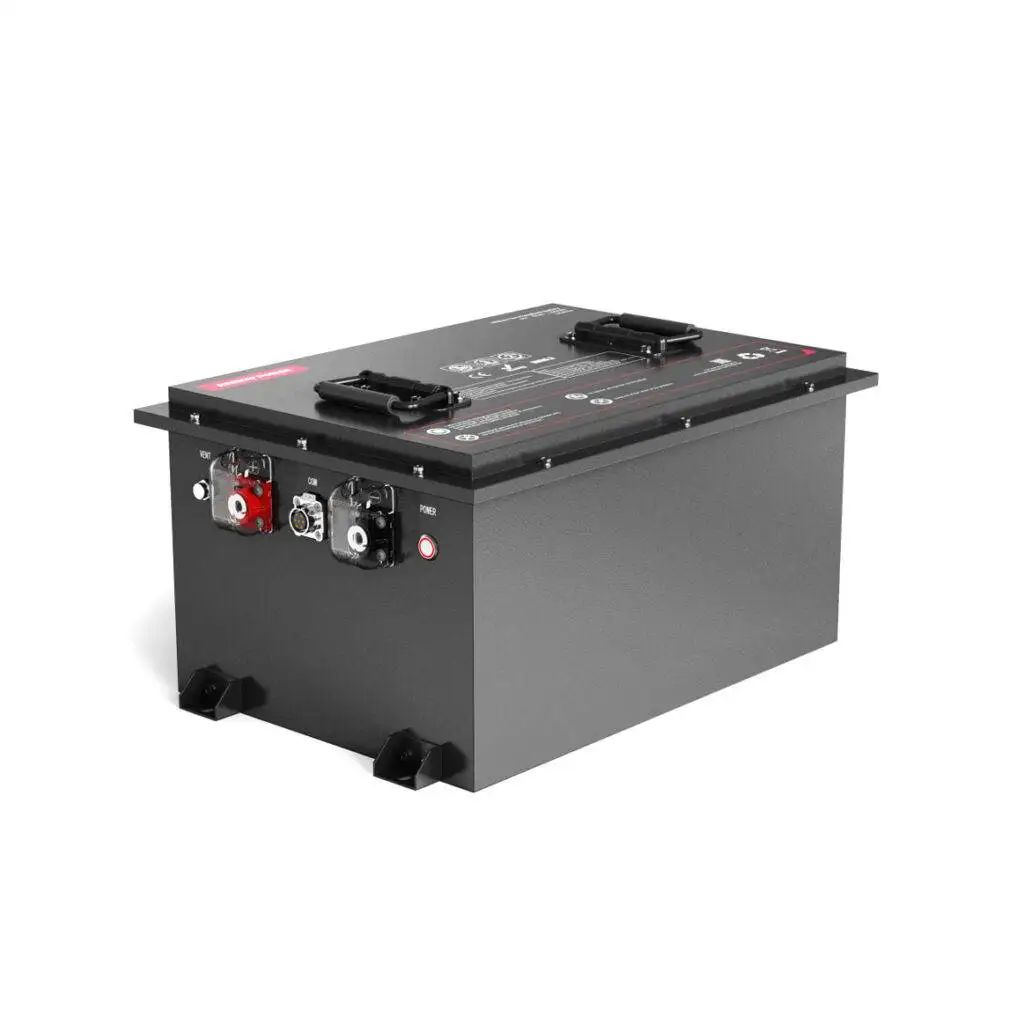
Electric vehicles and low-speed mobility equipment are rapidly shifting from traditional lead-acid batteries to lithium solutions. Among these, 48V LiFePO4 battery systems have become a mainstream choice for golf carts, industrial vehicles, and commercial fleets. This article offers a clear and structured overview of how these batteries work, why they matter, and how to select and use them effectively. Using real-world product logic and manufacturing practices, it explains key concepts in a simple and practical way, helping buyers, engineers, and operators build a solid understanding of modern lithium battery systems.
Understanding LiFePO4 Battery Chemistry
LiFePO4, or lithium iron phosphate, is a lithium battery chemistry known for its high safety and long service life. Unlike some other lithium chemistries, it has strong thermal stability, which greatly reduces the risk of overheating or fire. This makes it especially suitable for vehicles and equipment that operate daily or in demanding environments.
Another advantage of LiFePO4 is its stable voltage output. This stability allows electric motors and controllers to run smoothly without sudden drops in power. For applications such as golf carts and utility vehicles, this means more consistent performance and better user experience over time.
What a 48V Battery System Really Means
A “48V” lithium battery system usually operates at a nominal voltage of 51.2V. This is based on a series configuration of LiFePO4 cells, each with a nominal voltage of 3.2V. The 48V class has become popular because it balances power output, efficiency, and safety.
Higher voltage systems can deliver the same power with lower current, which reduces heat and energy loss. This is one reason why 48V systems are widely used in electric golf carts, AGVs, and low-speed vehicles.
Capacity, Energy, and Runtime Explained
Battery capacity is measured in ampere-hours (Ah), while total stored energy is measured in kilowatt-hours (kWh). Both are important, but they serve different purposes.
| Parameter | Example Value | What It Means |
|---|---|---|
| Nominal Voltage | 51.2V | System operating voltage |
| Capacity | 200Ah | How much current the battery can supply |
| Energy | 10.24 kWh | Total usable energy for runtime |
A 48V 200Ah LiFePO4 battery provides about 10.24 kWh of energy, which is enough to support long operating hours for golf carts and similar vehicles. Higher capacity directly translates into longer driving range or more working time between charges.
The Role of the Battery Management System (BMS)
The Battery Management System, or BMS, is the “brain” of a lithium battery. It monitors voltage, current, temperature, and state of charge in real time. Without a reliable BMS, even high-quality cells cannot operate safely.
Modern systems include protection against overcharge, over-discharge, overcurrent, and short circuits. They also support automatic cell balancing, which keeps all cells working evenly and extends the battery’s lifespan. Products from Redway Battery often offer different BMS current ratings, such as 200A, 250A, or 315A, to match different vehicle power demands.
Cycle Life and Long-Term Value
One of the biggest advantages of LiFePO4 batteries is their long cycle life. Many 48V LiFePO4 systems exceed 6,000 cycles at 80% depth of discharge. This means the battery can be charged and discharged thousands of times before its capacity drops significantly.
| Battery Type | Typical Cycle Life | Maintenance Level |
|---|---|---|
| Lead-Acid | 300–500 cycles | High |
| LiFePO4 | 6,000+ cycles | Low |
For the surrounding sizing, selection, installation and maintenance decisions, continue with the LiFePO4 Golf Cart Battery: The Chemistry Behind the Conversion.
For fleet operators and businesses, this long lifespan means lower replacement costs, reduced downtime, and a much lower total cost of ownership.
Physical Design and Environmental Protection
Battery design is not only about electrical performance. Physical structure and protection play a critical role in real-world use. Many 48V LiFePO4 golf cart batteries are designed with compact “short-size” or “long-size” housings to fit different vehicle layouts.
An IP67-rated enclosure provides strong protection against dust and water. This is especially important for outdoor vehicles that may operate in rain, mud, or high-humidity environments. A robust housing also helps resist vibration and mechanical shock.
Applications Beyond Golf Carts
While golf carts are a major application, 48V LiFePO4 batteries are also widely used in AGVs, sightseeing vehicles, forklifts, and industrial transport equipment. Their stable output and fast charging capabilities make them suitable for both commercial and industrial use.
Redway Battery has positioned its lithium solutions to support a wide range of use cases, from leisure vehicles to heavy-duty operational fleets, all using the same core principles of safety and reliability.
Manufacturing, OEM, and Customization
Large-scale manufacturing plays a key role in battery quality and consistency. With automated production lines, MES systems, and strict quality control, modern factories can ensure every battery meets the same performance standards.
Redway Battery operates multiple advanced factories and supports full OEM and ODM services. This includes custom voltage, capacity, housing design, branding, and communication protocols. Such flexibility is essential for equipment manufacturers and distributors serving different markets.
Redway Expert Views
“When selecting a 48V LiFePO4 battery, buyers should look beyond capacity numbers. The real value comes from system-level design, including BMS quality, thermal management, and production consistency. At Redway Battery, we focus on balancing safety, performance, and long-term reliability. A well-designed lithium battery is not just a power source—it is a core component that determines vehicle efficiency, operating cost, and user satisfaction over many years.”
Practical Selection Tips
Choosing the right battery starts with understanding your application. Consider voltage compatibility, required runtime, peak current demand, and environmental conditions. Always match the BMS rating to the motor and controller requirements. For commercial use, prioritize long cycle life and strong after-sales support.
Working with an experienced manufacturer like Redway Battery helps reduce risks and ensures the battery solution fits both technical and business needs.
Conclusion: Key Takeaways and Actionable Advice
48V LiFePO4 batteries represent a mature and reliable energy solution for golf carts and low-speed electric vehicles. They offer higher safety, longer life, and better efficiency than traditional batteries. By understanding voltage systems, capacity, BMS functions, and real-world design factors, users can make informed decisions and maximize long-term value. For businesses, choosing a proven manufacturer such as Redway Battery provides not only products, but also engineering support and supply stability.
Frequently Asked Questions
What makes LiFePO4 safer than other lithium batteries?
LiFePO4 chemistry has higher thermal stability and a lower risk of thermal runaway, making it safer for daily and industrial use.
How long does a 48V 200Ah LiFePO4 battery typically last?
With proper use, it can exceed 6,000 cycles, often translating to 8–10 years of service.
Can a 48V LiFePO4 battery replace lead-acid directly?
In most cases, yes, but voltage compatibility, charger settings, and space requirements should be checked.
Why is the BMS current rating important?
The BMS must handle peak current demands from the motor. An undersized BMS can limit performance or cause protection shutdowns.
Is customization available for fleet or OEM projects?
Yes. Manufacturers like Redway Battery provide OEM and ODM services to meet specific technical and branding needs.
