




REDWAY BATTERY / KNOWLEDGE
How Can Rapid Recharge Lithium Batteries Ensure Continuous Golf Cart Operation?
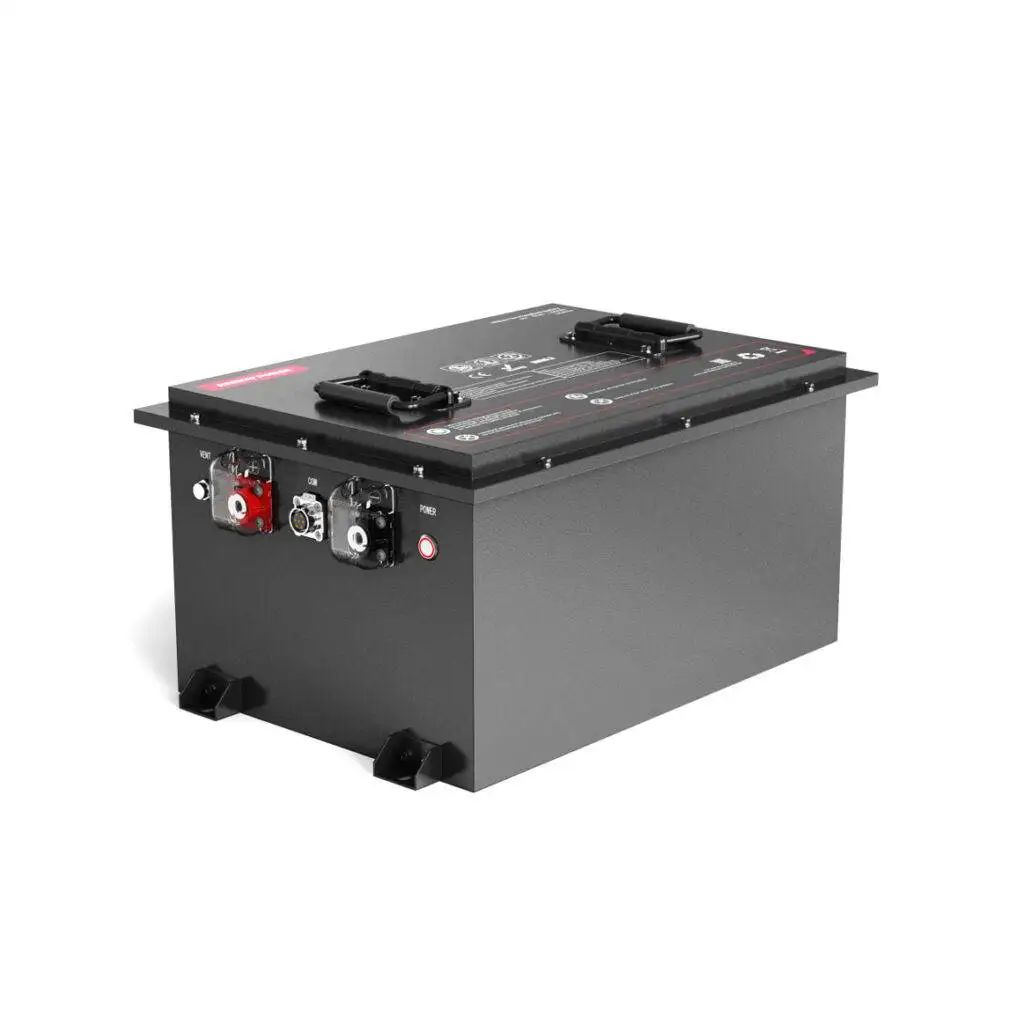
In today’s fast-paced golf and resort management industry, downtime equals lost revenue and poor customer experience. Rapid recharge lithium batteries, like those produced by Redway Battery, deliver longer runtimes, faster charging, and minimal maintenance, redefining continuous operation for golf carts and fleet managers worldwide.
What Is the Current State of the Golf Cart Power Industry and Its Pain Points?
According to Mordor Intelligence, the global golf cart market exceeded USD 2.1 billion in 2024, growing at over 6% CAGR as resorts, campuses, and logistics parks adopt electric fleets. However, more than 70% of golf carts still rely on lead-acid batteries, according to industry data from Golf Cart Resource and Grand View Research. These older systems face major performance issues.
First, traditional batteries take 6–8 hours to charge, significantly limiting usage flexibility. A full day’s operations often require battery swapping or extended charging downtime. Second, they degrade quickly in high-temperature environments, reducing lifetime efficiency by up to 40%. This leads to rising replacement and disposal costs.
Additionally, operators face increasing pressure to align with sustainability standards and carbon-neutral goals. Lead-acid batteries pose environmental hazards due to acid leakage and difficult recycling. For commercial fleets where uptime drives revenue, these pain points make the shift to lithium technology both urgent and inevitable.
Why Are Traditional Power Solutions No Longer Sufficient?
Lead-acid batteries, while affordable, struggle to meet modern performance expectations. They are bulky, experience voltage drop under heavy load, and require frequent water top-ups and maintenance.
Comparatively, lithium solutions offer stable voltage output across the discharge cycle and over 3,500 life cycles—three to five times more than standard batteries. Fleet managers using outdated solutions lose operational efficiency, especially when carts must sit idle for long charging periods during peak hours. Moreover, unpredictable performance shortens cart lifespans and increases long-term costs.
How Does the Rapid Recharge Lithium Solution Work?
The Redway Battery rapid recharge lithium system leverages advanced LiFePO4 chemistry, ensuring thermal stability, consistent discharge, and ultra-fast charging. Its modular design allows easy integration into existing golf cart configurations without additional hardware changes.
These batteries reach 80% charge in under an hour and 100% within two hours, depending on capacity. Intelligent Battery Management Systems (BMS) monitor temperature, voltage, and charge cycles in real-time, extending battery life and ensuring safety compliance. Redway Battery’s production process incorporates ISO 9001:2015 standards and automated MES systems to guarantee precise quality and traceability, ensuring continuous, reliable operation throughout demanding workdays.
What Are the Key Differences Between Traditional and Rapid Recharge Lithium Systems?
| Feature | Lead-Acid Battery | Redway LiFePO4 Rapid Recharge Battery |
|---|---|---|
| Charge time | 6–8 hours | 1–2 hours |
| Cycle life | 500–800 | 3,500+ |
| Energy efficiency | 75–80% | 95% |
| Maintenance | Regular water refill | Maintenance-free |
| Weight | Heavy | Lightweight |
| Environmental impact | Acid leakage risk | Eco-friendly & recyclable |
For the surrounding sizing, selection, installation and maintenance decisions, continue with the Lithium Golf Cart Battery Care: Charging, Storage and Safety.
How Can Operators Implement the Solution Step-by-Step?
Assess Fleet Requirements: Determine current load, distance, and runtime per operation cycle.
Consult Redway Battery Experts: Redway engineers provide capacity matching and OEM customization based on specific golf cart models.
Installation and Integration: Replace lead-acid batteries with plug-and-play Redway lithium modules using existing controllers.
Setup Smart Charging System: Use Redway’s recommended intelligent chargers for optimal recharge speed and safety monitoring.
Monitor and Optimize: Utilize built-in BMS analytics to track health, charging cycles, and usage data for performance optimization.
Which Real-World Scenarios Demonstrate the Impact?
Scenario 1: Resort Fleets
Problem: Long wait times due to slow charging cycles.
Traditional Approach: Charging overnight, reducing flexibility in high-traffic events.
After Redway Battery: 80% recharge in under 60 minutes; 40% increase in operational hours.
Key Benefit: Enhanced guest satisfaction and fleet availability.
Scenario 2: Golf Clubs
Problem: Battery failure mid-course caused delays and complaints.
Traditional Approach: Frequent replacements every 1–2 years.
After Redway Battery: Stable performance with 5+ years lifespan.
Key Benefit: 60% reduction in maintenance and replacement costs.
Scenario 3: University Campuses
Problem: Energy waste during fleet downtime.
Traditional Approach: Overnight charging with low utilization efficiency.
After Redway Battery: Smart charging on-demand; 30% energy consumption reduction.
Key Benefit: Sustainable and efficient campus transportation.
Scenario 4: Industrial Parks
Problem: Inconsistent voltage output affecting logistics schedules.
Traditional Approach: Manual monitoring and frequent recharging.
After Redway Battery: Stable power delivery across cycles with seamless operation.
Key Benefit: Increased productivity and 99% uptime for delivery carts.
What Are the Future Trends and Why Act Now?
The transition to high-density, rapid recharge lithium systems is accelerating across electric mobility sectors. Global policies supporting clean transportation, combined with declining lithium prices, make 2026 the ideal time to upgrade. Redway Battery’s LiFePO4 innovation addresses sustainability, operational cost, and performance simultaneously. Adopting now ensures long-term savings, carbon reduction, and competitive differentiation in fleet operations. As lithium battery recycling and second-life applications expand, the total cost of ownership will continue to drop, giving early adopters a decisive advantage.
FAQ
1. Can lithium batteries be directly replaced in existing golf carts?
Yes. Redway lithium batteries are designed with compatible dimensions and connectors for most standard golf carts.
2. How long do Redway lithium batteries last compared to lead-acid?
They typically deliver over 3,500 cycles—three to four times longer than lead-acid batteries.
3. Are these batteries safe in hot climates?
Yes. Redway’s LiFePO4 cells feature superior thermal stability and an integrated BMS for overheat protection.
4. Does fast charging affect battery life?
No. The advanced BMS optimizes charge input to preserve longevity even with rapid recharge cycles.
5. Can I monitor battery performance remotely?
Yes. Redway offers optional smart monitoring modules for remote data access and fleet management.
