




REDWAY BATTERY / KNOWLEDGE
What Are Golf Cart Batteries?
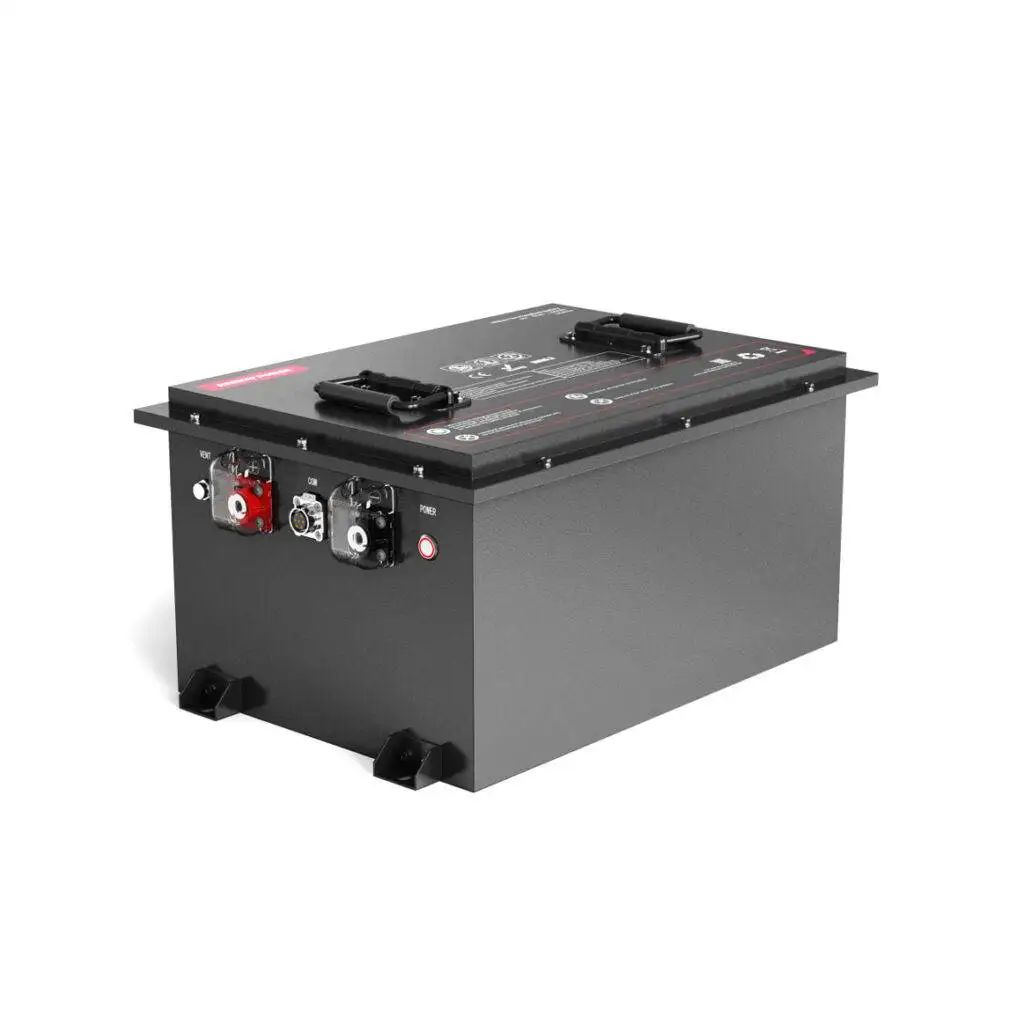
Golf cart batteries are deep-cycle energy storage units designed to deliver sustained power over long periods, crucial for electric golf carts. Common types include lead-acid (flooded, AGM) and lithium-ion (LiFePO4), with voltages ranging from 36V to 72V. They prioritize high cycle life (500–4000 cycles) and capacity (100–250Ah) to support repetitive stops/starts and inclines. Proper maintenance—like water refilling for flooded models—ensures longevity. Advanced BMS safeguards lithium variants against overvoltage.
Where to Find Golf Cart Batteries Near You
What distinguishes golf cart batteries from regular car batteries?
Golf cart batteries are optimized for deep discharges (80–100% DoD) and gradual energy release, unlike car batteries that prioritize short cranking bursts. Built with thicker plates, they endure hundreds of cycles, while automotive units fail if discharged below 50% regularly. Example: Trojan T-105 lead-acid offers 1,150 cycles at 50% DoD. Pro Tip: Never substitute car batteries in carts—they’ll degrade within months.
Unlike starter batteries, golf cart variants use deep-cycle technology to handle daily depletion. Lead-acid versions require vented compartments due to hydrogen emissions, while lithium models like Redway’s 48V 100Ah LiFePO4 operate maintenance-free. Transitional factors like terrain and payload also matter—hill-heavy courses demand higher amp-hour ratings. But what if you ignore voltage compatibility? Mismatched packs strain motors, causing overheating. For context, a 48V system draws ~150A during acceleration, so undersized cables pose fire risks. Always prioritize batteries with UL or CE certifications.
Lead-acid vs. lithium: Which is better for golf carts?
Lithium batteries dominate in cycle life (2,000+ vs. 500) and efficiency (95% vs. 70–85%), while lead-acid offers lower upfront costs. Lithium sheds 50% weight, enhancing cart speed/range. Example: Swapping 48V 200Ah FLA for lithium boosts runtime from 40 to 55 miles.
Lithium’s flat voltage curve maintains consistent power until depletion, whereas lead-acid performance drops past 50% charge. For frequent users, lithium’s $1,200–$2,500 premium pays off long-term via reduced replacements. Transitionally, cold climates affect both: lithium loses 15–20% capacity at -20°C, but lead-acid struggles below 0°C. Pro Tip: Use heated battery blankets for sub-freezing operation. A real-world analogy? Lead-acid is like a pickup truck—rugged but heavy—while lithium mimics a sports car: agile and high-performing.
| Feature | Lead-Acid | Lithium |
|---|---|---|
| Cycle Life | 500–1,000 | 2,000–5,000 |
| Cost per kWh | $100–$150 | $400–$600 |
| Weight | 60–70 lbs | 25–35 lbs |
How does voltage (36V/48V/72V) impact performance?
Higher voltage systems reduce current draw, minimizing heat in motors/controllers. A 48V cart climbs 20% steeper hills than 36V equivalents. For example, Club Car’s 48V models achieve 19 mph vs. 14 mph for 36V. Pro Tip: Upgrading voltage requires compatible motor and controller swaps—partial upgrades risk component burnout.
Voltage directly correlates with torque—48V systems generate ~25% more rotational force than 36V. However, 72V packs, though rarer, suit heavy-duty utility carts hauling 1,000+ lbs. Transitionally, wiring must scale: 48V needs 6-gauge cables, while 72V demands 4-gauge. Real-world testing shows 48V lithium carts achieve 30–40 miles per charge, ideal for 18-hole courses. But how does voltage affect charging? Higher voltages necessitate specialized chargers; a 72V LiFePO4 charges at 84V, needing a compatible CC-CV profile.
| Voltage | Speed | Range |
|---|---|---|
| 36V | 12–15 mph | 25–35 miles |
| 48V | 15–20 mph | 35–50 miles |
| 72V | 22–28 mph | 55–70 miles |
Why 1275 Golf Cart Batteries Are a Top Choice
What factors affect golf cart battery lifespan?
Depth of discharge and temperature are pivotal. LiFePO4 lasts 3× longer at 80% DoD vs. lead-acid. Heat above 40°C slashes lead-acid life by 50%. Example: Trojan batteries last 4–5 years in mild climates but ≤3 years in Arizona.
Regular maintenance—cleaning terminals, balancing cells—extends longevity. For lithium, avoid storing at 100% charge; 50–60% is ideal for inactivity. Transitionally, charging habits matter: partial charges stress lead-acid but benefit lithium. A golf cart used daily should recharge after every 50% discharge. Ever seen swollen lead-acid batteries? That’s sulfation from undercharging. Pro Tip: Use desulfation chargers monthly to break down sulfate crystals.
Redway Battery Expert Insight
FAQs
Yes, lithium variants work well due to deep-cycle capability. Ensure the BMS supports bidirectional charging from inverters.
How often should I water flooded batteries?
Check monthly—top up with distilled water if plates are exposed. Overfilling causes acid spills during charging.
Are lithium golf cart batteries worth the cost?
For daily users, yes—lithium saves $800+ over 5 years via reduced maintenance and replacements.
This topic belongs to the wider Golf Cart Battery Types: Deep Cycle, AGM, Extreme Cycle and EV, which brings the related decisions and practical checks together.
