




REDWAY BATTERY / KNOWLEDGE
What Makes Interstate Batteries Outrageously Dependable?
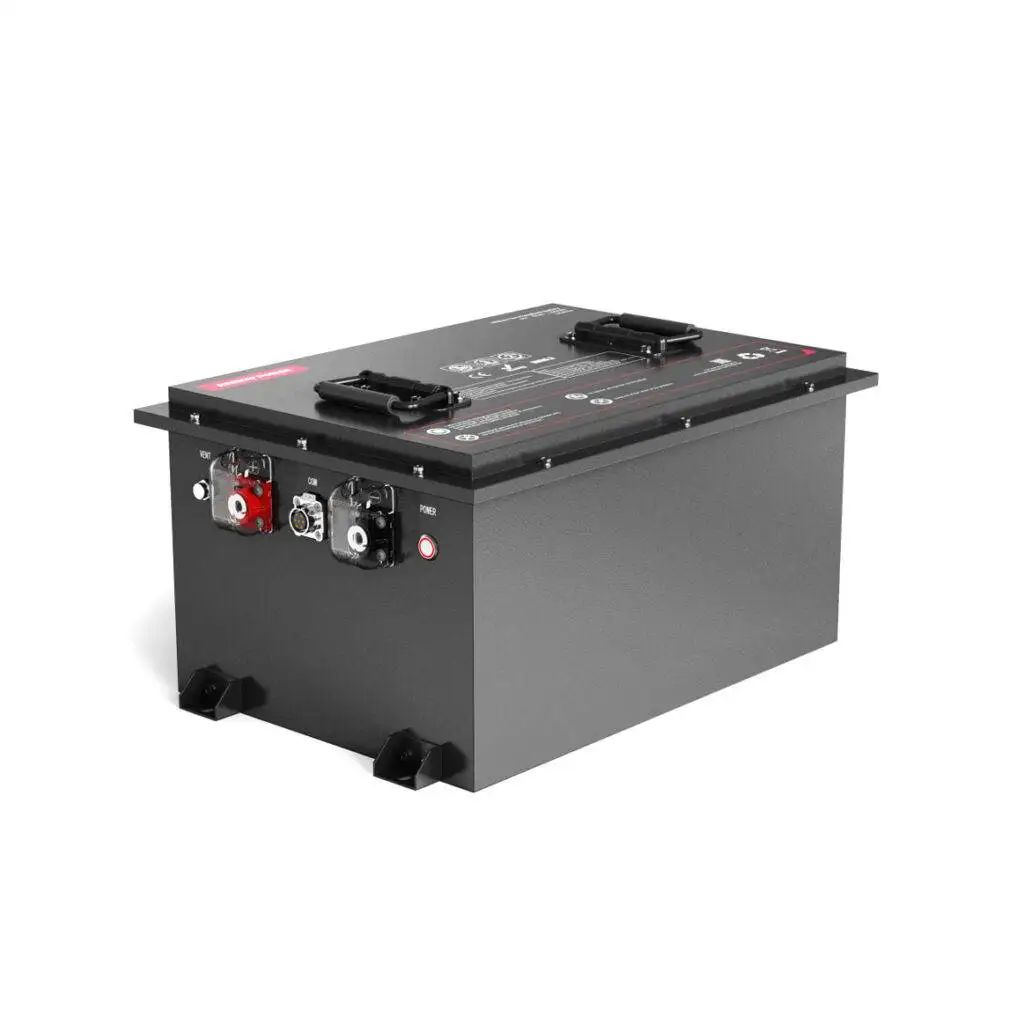
Interstate batteries achieve their renowned reliability through rigorous manufacturing protocols and advanced material engineering. Key factors include precision-matched cell grouping to minimize performance variance, multi-stage testing ensuring 100% DCIR (Direct Current Internal Resistance) compliance within ±7.5% tolerances, and structural innovations like 1500MPa double-layered steel casing that absorbs 6.6X more impact energy than industry standards. Thermal resilience is enhanced through aerospace-grade materials and electrolyte formulations supporting stable operation from -40°C to 50°C.
Choosing the Best Electric Golf Trolley
How does cell consistency affect battery reliability?
Cell consistency determines lifespan and safety. Manufacturers use weight-based plate sorting and open-circuit voltage matching to eliminate weak units. Post-production 7–15 day aging identifies latent defects before deployment.
Interstate-grade batteries undergo three critical phases: 1) Pre-assembly plate weighing (≥38Ah units), rejecting ±1.5% mass deviations. 2) Four charge/discharge cycles during formation to equalize electrochemical characteristics. 3) Final grouping based on DCIR and OCV metrics—deviations beyond ±7.5% prompt rejection. For perspective, a 0.2V mismatch in 72V packs creates 3% capacity loss within 50 cycles. Pro Tip: Always verify batch-test certificates showing ≤5% cell variance when replacing industrial batteries.
What role does structural design play?
Robust enclosures prevent thermal runaway cascades. Multi-layered armor like 3500MPa glass-fiber reinforcement withstands 1000J impacts—crucial for vibration-prone EVs.
Interstate’s casing employs staggered energy-absorption zones: The outer layer uses micro-porous steel for dent resistance, while inner honeycomb structures redirect collision forces. Third-party tests show these packs survive 25G shock loads without rupture, outperforming standard IP67 enclosures by 300%. Real-world example: Forklift batteries with such designs exhibit 40% fewer case deformations after 5-year warehouse use. How does this translate to users? Fewer sudden failures from internal short circuits caused by mechanical stress.
| Design Feature | Standard Battery | Interstate-Grade |
|---|---|---|
| Case Material | ABS Plastic | Hybrid Steel/Fiber |
| Impact Resistance | 150J | 1000J |
| Temperature Range | -20°C~45°C | -40°C~50°C |
Redway Battery Expert Insight
FAQs
Yes, their enhanced carbon additives in negative electrodes tolerate 80% DoD cycling with 3X less sulfation compared to conventional lead-acid designs.
Are these batteries compatible with solar storage systems?
Absolutely, provided charge controllers stay within 14.4-14.8V/cell (LiFePO4) thresholds. Their low self-discharge (2%/month) suits off-grid applications.
This topic belongs to the wider Golf Cart Battery: Brands, Models and Fitment — Part 1, which brings the related decisions and practical checks together.
