




REDWAY BATTERY / KNOWLEDGE
How Long Do Golf Cart Batteries Last According To Buyer’s Guide?
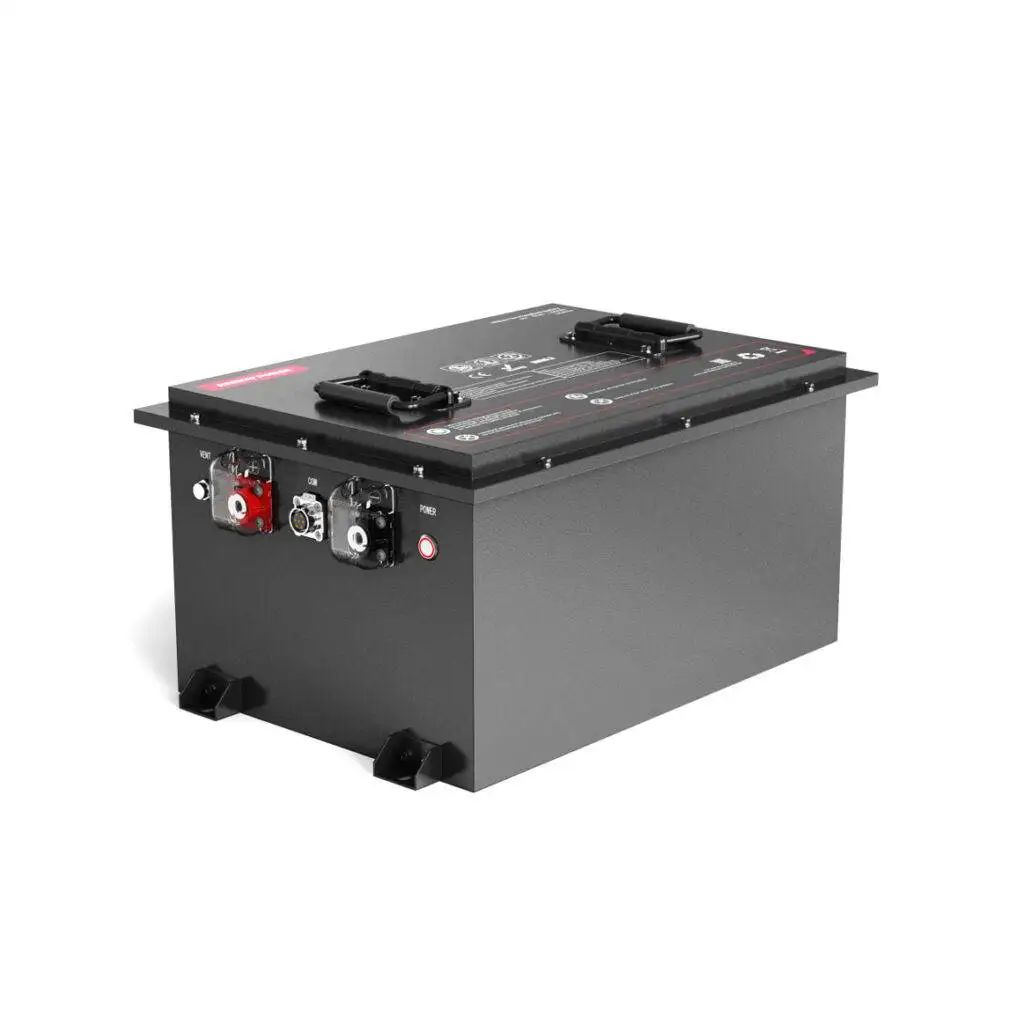
Golf cart batteries last 4–6 years (lithium-ion) or 2–4 years (lead-acid) based on chemistry, maintenance, and usage. Lithium LiFePO4 packs endure 2,000–5,000 cycles versus 500–1,000 for lead-acid. Key factors: depth of discharge (keep above 50% for lead-acid), charging habits (avoid partial charges), and temperature (store above 0°C). Regular equalizing extends lead-acid life by 15–20%.
Choosing the Best Electric Golf Trolley
What’s the lifespan difference between lithium and lead-acid golf cart batteries?
Lithium batteries outlast lead-acid by 2–3x, with LiFePO4 achieving 5+ years versus 3 years max for AGM. They tolerate deeper discharges (80–100% DoD safely) and lose capacity slower—≤20% over 2,000 cycles vs. 40% in lead-acid after 800 cycles.
Lithium-ion’s edge comes from stable voltage output and resistance to sulfation, the main killer of lead-acid cells. A 48V 100Ah lithium pack might deliver 5,000 cycles at 80% DoD, while flooded lead-acid struggles beyond 1,200 cycles at 50% DoD. Pro Tip: For lead-acid, equalize monthly—apply a controlled overcharge (15.5–16V for 2 hours) to dissolve sulfate crystals. Imagine two golf carts: one using lithium daily loses 10% range after 4 years, while lead-acid needs replacement in year 3. Why pay more upfront? Because lithium’s 7-year total cost is 30% lower despite higher initial price.
| Battery Type | Cycle Life | DoD Limit |
|---|---|---|
| LiFePO4 | 3,000–5,000 | 80–100% |
| AGM | 500–800 | 50% |
How do usage patterns affect golf cart battery longevity?
Frequent deep cycling and temperature extremes slash lifespan. Daily 80% discharges degrade lead-acid 3x faster than weekly 30% use. Sub-freezing charging damages lithium anodes, while >40°C heat accelerates lead corrosion.
Urban golf carts making 20+ stops per round stress batteries harder than rural steady-speed use. Stop-and-go driving causes repetitive shallow discharges, which lithium handles better. Pro Tip: After hill climbs, let batteries cool before charging—Li-ion temps >45°C during charging lose 15% capacity yearly. Think of it like car engines: highway miles are gentler than city traffic. A retirement community cart used 4x weekly might last 6 years, while a resort cart used 8x daily dies in 2.5 years. Ever wonder why marina carts fail faster? Salt air corrodes terminals—apply dielectric grease quarterly.
What maintenance maximizes golf cart battery life?
Water levels (lead-acid), clean terminals, and storage voltage matter. Check electrolyte monthly, topping with distilled water if plates are exposed. Keep lithium at 50–60% charge during off-season storage.
For lead-acid, hydrometer testing (1.265 specific gravity = healthy) beats voltage checks. Clean terminal corrosion with baking soda paste—prevents voltage drops. Pro Tip: Store carts in climate-controlled spaces; -20°C freezes electrolytes, cracking cases. Lithium’s BMS needs periodic updates—some firmware optimizes cell balancing every 50 cycles. Consider a golf cart “tune-up”: quarterly maintenance adds 1–2 years vs neglect. Example: A 48V lead-acid pack stored at 12.4V (50% charge) retains 90% capacity after 6 months, versus 60% if left at 11V.
| Task | Lead-Acid | Lithium |
|---|---|---|
| Water Topping | Monthly | Never |
| Terminal Cleaning | Every 3 Months | Annually |
Redway Battery Expert Insight
FAQs
No—mismatched internal resistances cause overcharging (new) and undercharging (old). Replace all batteries in the pack simultaneously.
Do lithium batteries need a special charger?
Yes—dedicated lithium chargers prevent overvoltage (max 54.6V for 48V LiFePO4). Lead-acid chargers risk BMS disconnects or cell damage.
For the surrounding sizing, selection, installation and maintenance decisions, continue with the How Long Do Golf Cart Batteries Last? Real Numbers by Chemistry.
