




REDWAY BATTERY / KNOWLEDGE
What’s The Difference Between Car And Golf Cart Batteries?
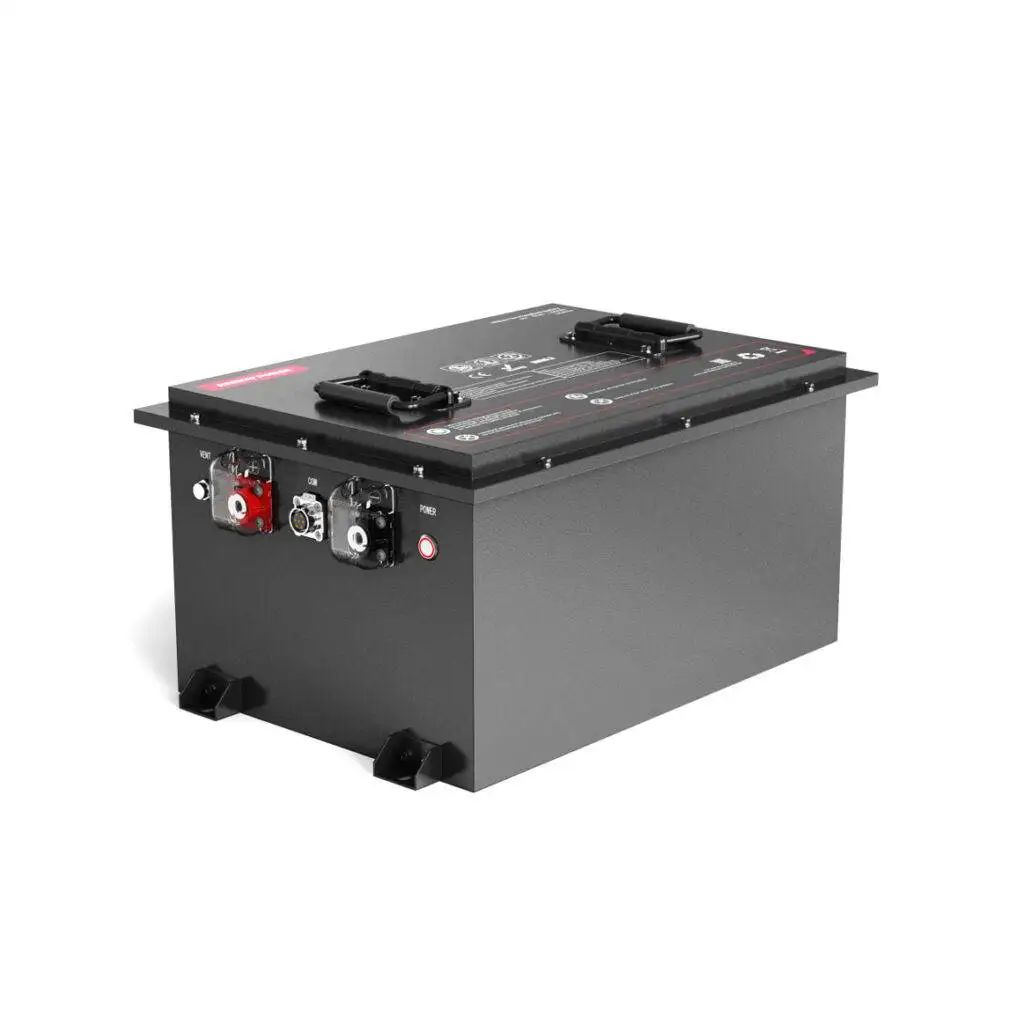
Car batteries (SLI) deliver short, high-current bursts for engine cranking, while golf cart batteries (deep-cycle) provide steady power over hours. SLI types use thinner plates for 300–500 cycles; golf cart batteries have thick lead-acid or LiFePO4 cells, enduring 1,200+ cycles. Voltage ranges differ: cars use 12V systems, while golf carts run on 36V/48V configurations. Golf Cart Battery Category
How do voltage and capacity requirements differ?
Car batteries prioritize cold cranking amps (CCA) (e.g., 600–800A) for engine starts, operating at 12V. Golf cart batteries focus on amp-hour (Ah) capacity (170–250Ah) at 6V/8V per cell, wired in series for 36V/48V systems. Pro Tip: Mixing old/new golf cart batteries risks imbalance—replace all simultaneously.
Car batteries discharge briefly (3–5 seconds) at 50–100A, while golf carts draw 50A continuously for 2–4 hours. For example, a 48V 200Ah lithium golf cart pack stores 9.6kWh, enabling 25–30 miles per charge. Why does this matter? Over-discharging SLI batteries below 80% Depth of Discharge (DoD) reduces lifespan by 70%. Tables below compare key specs:
| Type | Voltage | Capacity |
|---|---|---|
| Car | 12V | 50–70Ah |
| Golf Cart | 6V/8V (per cell) | 180–250Ah |
Why is cycle life critical for golf cart batteries?
Golf cart batteries endure 1–3 daily cycles (charge/discharge), requiring deep-cycle resilience. Lead-acid versions last 500–800 cycles; LiFePO4 variants exceed 3,000. Car batteries, designed for 5–10% DoD, fail after 30–50 deep cycles. Pro Tip: Lithium golf cart batteries save $400+/year in replacements despite higher upfront costs.
Consider a flooded lead-acid golf cart battery: discharging to 50% DoD daily gives ~550 cycles (1.5 years). Lithium alternatives at 80% DoD reach ~3,500 cycles (9+ years). But what happens if you neglect equalization charges? Lead-acid cells sulfate, losing 25% capacity in 6 months. Transitioning to lithium eliminates sulfation, slashing maintenance. Real-world case: A Florida resort cut battery costs by 60% after switching to LiFePO4 packs.
How do charging protocols vary?
Car batteries use alternators for float charging (13.8–14.7V), while golf carts require multi-stage bulk/absorption/equalization. Lithium cart batteries need 54.6V–58.4V (48V systems) chargers with BMS communication. Pro Tip: Charging lead-acid carts below 10°C without temperature compensation reduces capacity by 20%.
Alternators maintain car batteries at ~75% SoC, but golf carts demand full 100% charges to prevent stratification. For example, a 48V lead-acid pack requires 8–10 hours charging at 15–25A. Lithium packs charge 70% faster—2.5 hours with 50A chargers. Why risk mismatch? Using car chargers on golf carts overcharges cells, accelerating corrosion. Transitional tip: Solar-compatible lithium batteries let courses offset 30% of energy costs through renewable integration.
| Parameter | Car Battery | Golf Cart Battery |
|---|---|---|
| Charge Time | 30–45 mins (alternator) | 8–10 hours (lead-acid) |
| Charger Voltage | 13.8–14.7V | 51.1–58.4V (48V system) |
What physical design distinctions exist?
Golf cart batteries feature thicker lead plates (2.4–3.2mm) vs. car batteries’ 1–1.5mm plates. They’re also taller (10–12” vs. 7–8”) for increased electrolyte volume. Lithium packs use prismatic cells with active cooling, unlike SLI’s compact AGM designs. 48V 100Ah LiFePO4 Golf Cart Battery (High Current)
Thick plates withstand repeated 50%–80% discharges without warping—critical for golf courses with 200+ daily cycles. Case in point: Trojan T-105 golf cart batteries weigh 62 lbs each (6x 8V setup = 372 lbs), while a 48V 100Ah lithium pack weighs 110 lbs. Why does weight matter? Lithium cuts 60% mass, improving cart efficiency by 18–22%. Structural design differs too: golf cart terminals are side-mounted for series cabling, unlike top-post SLI layouts.
Redway Battery Expert Insight
FAQs
No—car batteries lack deep-cycle capacity. Even 10 minutes of golf cart operation can permanently damage SLI plates, voiding warranties.
Are lithium golf cart batteries worth the cost?
Yes—LiFePO4 lasts 4–6x longer than lead-acid. A $1,800 lithium pack replaces $3,200 in lead-acid over 5 years, with 50% weight savings.
This topic belongs to the wider AGM and Lead-Acid Golf Cart Batteries: Maintenance, Acid and Comparisons, which brings the related decisions and practical checks together.
