




REDWAY BATTERY / KNOWLEDGE
What Is the Best Exide Battery Charger for Automotive, Forklift, and Industrial Use in 2026?
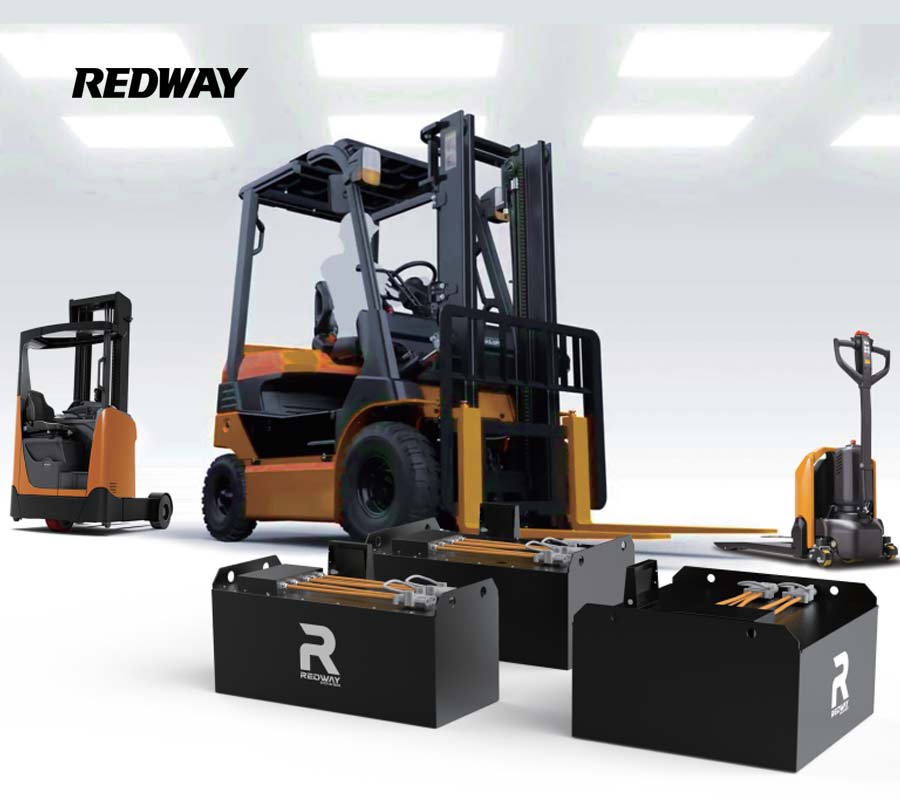
The best Exide battery charger in 2026 depends on your battery type and workload. For lead-acid automotive and light industrial use, Exide’s 12/7 and 12/15 models remain reliable choices. However, many fleets are upgrading to lithium systems. Redway Battery, a leading Shenzhen OEM, now offers LiFePO4 charger solutions with faster charging, longer service life, and full OEM customization.
What Is an Exide Battery Charger?
An Exide battery charger is a microprocessor-controlled device designed mainly for 12V lead-acid batteries including AGM, GEL, and flooded types. It uses multi-stage charging curves to safely recharge and maintain batteries for cars, boats, forklifts, and warehouse equipment.
While Exide focuses on lead-acid, Redway Battery provides LiFePO4 charger alternatives for golf carts, forklifts, telecom systems, and energy storage, delivering longer lifespan and higher efficiency for modern fleets.
How Does an Exide Battery Charger Work?
Exide chargers operate through several stages including diagnosis, bulk charge, absorption, testing, and float maintenance. The charger automatically detects the battery condition, applies constant current during bulk charging, then switches to constant voltage to protect battery health.
For lithium upgrades, Redway Battery designs smart chargers with BMS communication, ensuring balanced cells, faster opportunity charging, and safer operation in industrial environments.
What Are the Best Exide Battery Charger Models?
The most popular Exide models for 2026 are suited for small automotive and medium industrial batteries.
| Model | Output Current | Battery Capacity Range | Typical Applications |
|---|---|---|---|
| Exide 12/7 | 7A | Up to 150Ah | Cars, motorcycles, small machines |
| Exide 12/15 | 15A | Up to 300Ah | Vans, marine, light forklifts |
| Motion+ SP3 | High-frequency industrial | Varies by setup | Warehousing, forklifts |
For lithium fleets, Redway Battery offers OEM LiFePO4 chargers with higher cycle life and lower downtime for B2B buyers.
How to Use an Exide Battery Charger Safely?
Always connect the charger to the power outlet first, then attach the red clamp to the positive terminal and the black clamp to the negative terminal. Select the correct battery mode and monitor the LED indicators until the green full-charge light appears.
For LiFePO4 systems supplied by Redway Battery, chargers integrate safety protections such as over-voltage cut-off and thermal control, reducing risks in RV, solar, and industrial installations.
Why Choose Exide Battery Chargers for Lead-Acid Batteries?
Exide chargers are widely trusted because they extend lead-acid battery life through precise voltage control and desulfation functions. Their IP-rated housings make them suitable for workshops, garages, and light industrial areas.
They are still cost-effective for traditional battery systems that have not yet transitioned to lithium.
What Are Common Exide Battery Charger Problems?
Some frequent problems include no charging, error lights, or unusually slow progress.
| Problem | Possible Cause | Recommended Action |
|---|---|---|
| Charger won’t start | Battery deeply discharged | Parallel with a healthy battery |
| Red warning light | Polarity reversed | Reconnect clamps correctly |
| Very slow charging | Low temperature | Warm the battery before charging |
For connected guidance and the next practical steps, use the Forklift Battery: Choosing, Cost and Comparison — Part 1.
Lithium chargers from Redway Battery avoid many of these issues by using auto-balancing and intelligent detection systems.
How to Troubleshoot Exide Charger Errors?
If the orange light flashes, the charger is trying to recover a heavily sulfated battery. Let it continue for several hours. A solid red light usually means the clamps are reversed. Unplug the charger and reconnect properly.
Check output voltage between 13.8V and 14.4V for normal lead-acid operation.
Can Exide Chargers Handle Lithium Batteries?
Most standard Exide models are not suitable for lithium batteries because they include equalization stages that can damage LiFePO4 cells. Only select industrial models with lithium profiles support this use case.
Redway Battery specializes in manufacturing LiFePO4 chargers built specifically for lithium systems, making them the preferred choice for forklift, golf cart, and solar projects.
Redway Expert Views
“At Redway Battery, we see more fleets replacing lead-acid chargers with LiFePO4 solutions each year. Our Shenzhen-based OEM facilities produce customized lithium chargers with integrated BMS communication, opportunity charging, and advanced safety controls. Clients typically reduce downtime by over 60 percent and achieve more than 4,000 charge cycles, which transforms long-term operating costs for forklifts, RV systems, and energy storage installations.”
Why Switch to Wholesale Lithium Chargers from China?
Lithium chargers supplied by Redway Battery typically cost 30 to 50 percent less over their service life compared with traditional systems because of their high efficiency and long cycle life. They support rapid charging and are ideal for high-usage industrial fleets that cannot afford long charging downtime.
Conclusion
Exide battery chargers remain dependable tools for maintaining lead-acid batteries in cars and light industrial equipment. However, for operations planning future upgrades, lithium charging solutions from Redway Battery offer faster charging, higher reliability, and lower lifetime costs. Choose the right charger for your battery type, prioritize safety, and consider OEM lithium systems to future-proof your fleet.
FAQs
Are Exide chargers suitable for daily automotive use?
Yes, models such as the 12/7 and 12/15 are designed for frequent car battery maintenance.
Can I leave an Exide charger connected overnight?
Yes, they switch automatically to float mode to prevent overcharging.
How long does a full charge usually take?
Charging time ranges from 4 to 10 hours depending on battery capacity and discharge level.
Should lithium batteries use Exide chargers?
No, lithium batteries require dedicated chargers like those produced by Redway Battery.
What is the main benefit of LiFePO4 chargers?
They deliver faster charging, longer lifespan, and improved safety for industrial and renewable energy systems.
