




REDWAY BATTERY / KNOWLEDGE
How to Replace a Toyota Forklift Battery: A Step-by-Step Guide
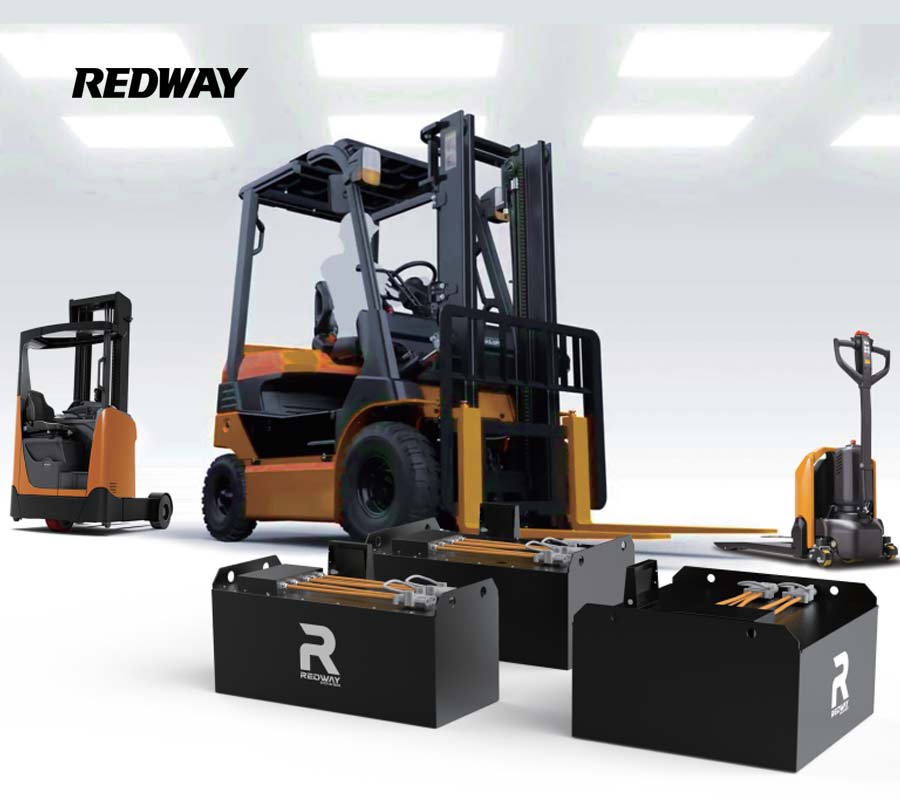
Replacing a Toyota forklift battery involves turning off the forklift, wearing protective gear, disconnecting the old battery safely, cleaning the compartment, and installing the new battery correctly. Always use proper lifting equipment, follow safety protocols, and ensure compatibility between the new battery and charger to maintain performance and extend battery life.
What Safety Measures Are Required Before Replacing a Toyota Forklift Battery?
Before starting, ensure the forklift is turned off, the key removed, and the parking brake engaged. Wear insulated gloves, goggles, and acid-resistant clothing. The area must be well-ventilated to avoid hydrogen gas buildup. Disconnect the negative cable first, followed by the positive, and make sure the battery capacity matches forklift specifications.
Redway Battery recommends maintaining a nearby spill kit, eye-wash station, and fire extinguisher for emergencies. These precautions reduce risks associated with heavy lifting, acid exposure, and electrical hazards.
| Safety Equipment | Purpose |
|---|---|
| Insulated gloves | Protect against electrical shock and acid burns |
| Safety goggles | Prevent splashes and debris injury |
| Fire extinguisher | Control potential fire from sparks |
| Ventilation system | Disperse hydrogen gas safely |
How Can You Remove the Old Toyota Forklift Battery Safely?
Use an appropriate battery extractor or lifting beam to remove the old battery. Never attempt to lift it manually. Slide or lift the battery carefully without tilting to prevent acid leaks. Place it on a stable, acid-resistant surface. Inspect the tray for corrosion and neutralize it using a baking soda solution before installing the new battery.
If corrosion is visible, clean the area thoroughly and document the condition for maintenance records. Avoid using metal tools that could cause sparks. For flooded lead-acid batteries, handle electrolyte carefully and use neutralizing materials if spills occur.
| Tool | Purpose |
|---|---|
| Battery extractor | Safely remove battery without tilting |
| Pallet jack or hoist | Move large or heavy batteries |
| Acid-resistant gloves | Protect against corrosive leaks |
What Are the Steps to Install a New Toyota Forklift Battery Correctly?
Inspect the new battery: Confirm it’s the correct model and free from physical damage.
Position the battery: Using a hoist or puller, lower it gently into the compartment.
Secure the unit: Align with brackets or hold-down bolts and fasten securely.
Connect terminals: Attach the positive cable first, then the negative. Tighten connections firmly but avoid overtightening.
Conduct final checks: Ensure all connections are secure, cables unpinched, and the cover closes properly.
After installation, power up the forklift to confirm it operates normally. Redway Battery emphasizes verifying voltage and charger compatibility before regular operation.
What Are the Costs and Performance Differences Between Battery Types?
Battery replacement costs depend on technology and capacity. Lead-acid batteries typically cost $2,000–$6,000, while lithium-ion options range from $5,000–$15,000. Though lithium-ion units are pricier upfront, they provide longer life cycles, reduced maintenance, and faster charging.
| Factor | Lead-Acid | Lithium-Ion |
|---|---|---|
| Cycle Life | 1,500 cycles | 3,000 cycles |
| Maintenance | Weekly watering | None |
| Charge Time | 8–10 hours | 2–3 hours |
| Energy Efficiency | Moderate | High (30–50% savings) |
For connected guidance and the next practical steps, use the Toyota Forklift Battery: Fitment, Replacement and What the Brand Covers.
Redway Battery advises considering total cost of ownership rather than initial price. Lithium-ion technology eliminates water maintenance, supports opportunity charging, and offers superior uptime for multi-shift operations.
Why Should You Choose OEM-Compliant Batteries for Your Toyota Forklift?
OEM-compliant batteries guarantee proper voltage, fitment, and performance, ensuring forklift safety and reliability. Non-certified batteries may cause electrical issues, reduced power, or warranty voiding. Redway Battery produces OEM-quality LiFePO4 packs that deliver consistent output and extended service life.
Their advanced manufacturing systems and ISO-certified quality control ensure every pack meets Toyota forklift specifications, minimizing downtime and maximizing productivity.
Redway Expert Views
“Replacing a forklift battery isn’t just about swapping power sources—it’s a critical safety and performance step. Redway Battery’s LiFePO4 solutions reduce energy costs, simplify maintenance, and ensure consistent power delivery. Businesses shifting to lithium technology gain better efficiency, reliability, and long-term ROI when supported by proper training and OEM integration.”
— Redway Battery Engineering Team
Conclusion
Replacing a Toyota forklift battery requires careful planning, safety adherence, and quality equipment. Using certified lifting tools, following manufacturer protocols, and verifying compatibility ensures optimal performance. Redway Battery recommends OEM-grade lithium solutions for long-term energy efficiency, safety, and sustainability. Proper training and preventive checks will extend both battery and forklift lifespan.
FAQs
How long does it take to replace a Toyota forklift battery?
Usually 30–60 minutes, depending on forklift size and battery type. Additional time may be needed for inspection and cleaning.
Can I replace the battery myself?
Only qualified personnel should perform replacements to avoid injury, acid spills, or electrical hazards.
What is the average lifespan of a Toyota forklift battery?
Lead-acid batteries last about 3–5 years, while lithium-ion models from Redway Battery can operate efficiently for 7–10 years.
Do lithium-ion batteries require maintenance?
No. Lithium-ion units are maintenance-free and don’t need watering or equalization, reducing labor and downtime.
Why should I switch to lithium-ion batteries?
They charge faster, last longer, and deliver consistent performance, making them ideal for demanding industrial environments.
