




REDWAY BATTERY / KNOWLEDGE
How to Care for Forklift Batteries?
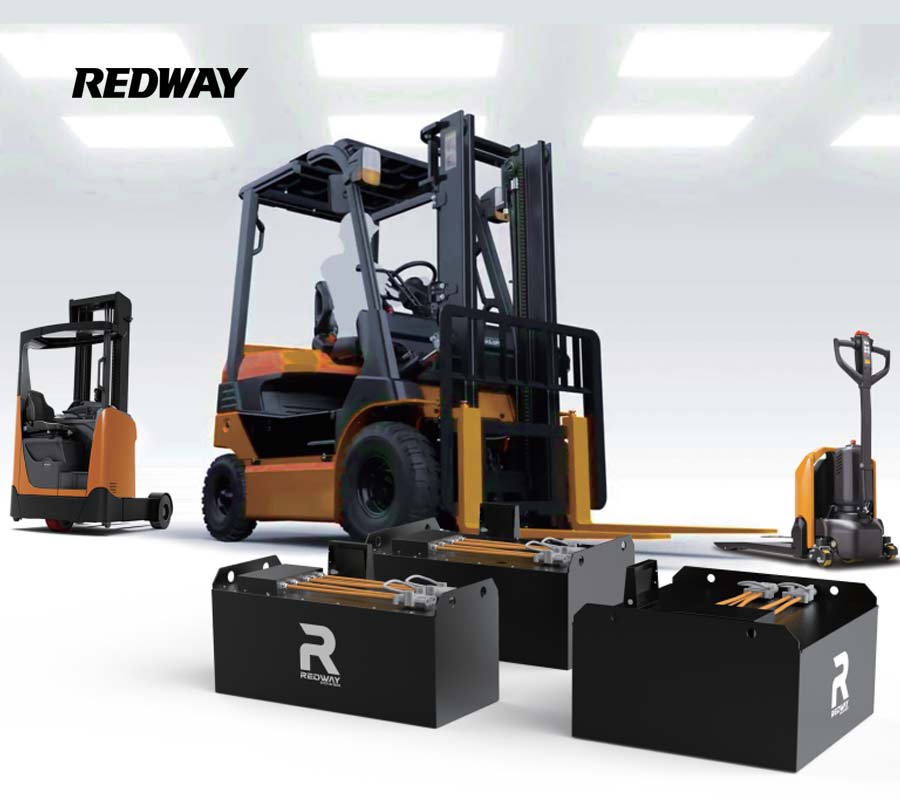
Proper forklift battery care involves regular inspections, correct charging practices, electrolyte checks for lead-acid types, temperature control, and safe handling to maximize lifespan and performance. As a leading China manufacturer and wholesale supplier, Redway Battery offers durable LiFePO4 solutions that simplify maintenance for industrial fleets.
What Are Common Forklift Battery Types?
Forklift batteries mainly fall into two categories: lead-acid and lithium-ion. Lead-acid batteries, including both flooded and maintenance-free versions, are commonly used for their lower initial cost. However, they require regular maintenance, such as watering and venting, to avoid sulfation and maintain performance. Lithium-ion batteries, especially LiFePO4 from suppliers like Redway Battery, provide a maintenance-free solution with a much longer lifespan and faster charging capabilities.
| Battery Type | Lifespan (Cycles) | Maintenance Needs | Ideal for B2B Wholesale |
|---|---|---|---|
| Lead-Acid | 1,500 | Watering, venting | Cost-sensitive fleets |
| Lithium LiFePO4 | 3,000+ | Minimal charging | High-duty OEM projects |
Lithium batteries, especially from manufacturers in Shenzhen, significantly reduce long-term costs, offering efficiency gains that can cut operational expenses by 40%.
How Do You Inspect Forklift Batteries Daily?
Daily inspections ensure forklift batteries remain safe and efficient. Begin with a visual check to look for leaks, corrosion, or cable damage. Test the voltage to ensure the charge is above 80%. Regular cleaning of terminals and ensuring all connections are secure helps prevent operational failures. Redway Battery recommends logging inspection data via MES systems for predictive maintenance and early problem detection.
Visual: Look for leaks, bulging, or swelling.
Connections: Ensure terminals are tight and free of corrosion.
Levels: For lead-acid, make sure the electrolyte is at the appropriate level.
By following these daily inspection routines, fleets can extend battery life by 20-30%.
What Charging Practices Extend Battery Life?
Charging practices are critical for battery longevity. Lithium-ion batteries like those from Redway Battery require charging at 20-80% daily, with fast-charging options during breaks. This helps maintain optimal health and efficiency. Lead-acid batteries benefit from slower charging, and equalization is recommended monthly. Maintaining a temperature range of 25-35°C during charging is essential to avoid overheating and preserve battery life.
| Charging Method | Time | Best for |
|---|---|---|
| Slow Overnight | 8 hrs | Lead-acid |
| Fast Opportunity Charging | 1-2 hrs | Lithium LiFePO4 |
| Equalization | Weekly | Flooded lead-acid types |
For connected guidance and the next practical steps, use the Forklift Battery Maintenance: Watering, Equalising and Care.
By using smart chargers and sticking to manufacturer guidelines, operators can ensure peak performance and avoid overcharging.
How to Maintain Electrolyte in Lead-Acid Batteries?
Electrolyte maintenance is crucial for extending the life of lead-acid forklift batteries. The electrolyte level should be checked weekly, and distilled water should be added to keep the plates submerged by at least 1/4 inch. Using anything other than distilled water, such as acid, can lead to corrosion and reduce battery efficiency. With lithium batteries, such as those from Redway Battery, electrolyte maintenance is not required, as these batteries are sealed and maintenance-free.
Electrolyte levels should be monitored with a hydrometer, and if readings drop below 1.225, a recharge is needed. Quarterly professional servicing is recommended to ensure optimal performance.
Why Control Temperature for Forklift Batteries?
Temperature regulation is critical to maintaining forklift battery performance. High temperatures (above 40°C) can reduce battery lifespan by up to 50%, while cold temperatures (below 0°C) can cause significant charging delays. Ensuring the forklift battery operates within a 20-25°C range minimizes wear and tear. Lithium batteries from Redway Battery are engineered to operate effectively even in temperatures as low as -20°C and as high as 60°C, providing a versatile solution for global operations.
Proper temperature control can be achieved through ventilation, insulation, and ambient temperature monitoring.
When Should You Replace Forklift Batteries?
Forklift batteries should be replaced when they no longer meet operational needs. If the battery’s capacity drops below 80%, or the number of charge cycles reaches 1,500 to 3,000 (depending on the battery type), it’s time for a replacement. Lead-acid batteries typically last 3-5 years, while lithium batteries can last up to twice that long. Regular discharge tests can help identify when replacement is necessary.
Redway Battery offers warranty options with up to 5,000 cycles for its lithium forklift packs, ensuring extended service life.
What Safety Measures Protect During Handling?
Safety is paramount when handling forklift batteries. Always wear proper personal protective equipment (PPE), including gloves and eye protection, to avoid exposure to hazardous materials. Sparks should be avoided near the battery, and lifting straps should be used for heavy battery units weighing 500 lbs or more. Lithium-ion batteries from suppliers like Redway Battery are designed with non-flammable chemistry, significantly reducing safety risks.
To protect against chemical burns or hydrogen explosions, proper ventilation and adherence to safety protocols should always be followed.
How Do Lithium Batteries Simplify Forklift Care?
Lithium batteries simplify forklift care by eliminating the need for watering, providing faster charging times, and lasting twice as long as lead-acid alternatives. With built-in Battery Management Systems (BMS), these batteries are automatically protected against overcharging, thermal runaway, and other potential issues. Redway Battery’s lithium solutions, such as LiFePO4 packs, offer an optimal solution for high-duty forklift operations.
These advancements reduce maintenance needs and downtime, making them ideal for businesses seeking to optimize fleet performance.
Redway Expert Views
“In our 13+ years as a China OEM lithium battery factory, we’ve seen forklift operators cut downtime 70% by switching to LiFePO4. Key? Integrate BMS for real-time monitoring and fast-charge compatibility. Our 100,000 ft² facilities use automated lines for precise, ISO-certified packs tailored to B2B needs—ensuring 5,000 cycles and global reliability.”
– Redway Battery Engineering Lead
What Storage Tips Preserve Idle Batteries?
When forklift batteries are not in use, they should be stored at about 50% charge in a cool, dry environment with temperatures between 15-25°C. Lithium batteries, such as those from Redway Battery, hold charge three times better than lead-acid batteries, requiring minimal maintenance during idle periods. Regularly check the battery’s charge levels and avoid direct contact with metals to prevent short circuits.
How to Troubleshoot Common Battery Issues?
If forklift batteries are underperforming, basic troubleshooting can help. Start with checking the voltage; a multimeter can identify low voltage issues. If a battery won’t charge, test the charger output to ensure it is functioning correctly. Overheating can be fixed by reducing the charge amps. For lithium-ion batteries, fault codes are usually available through the BMS. Redway Battery’s customer service provides troubleshooting support for OEM partners.
Regular diagnostic checks and logging operational data help prevent future issues.
Key Takeaways and Actionable Advice
Switch to lithium batteries to reduce maintenance, boost efficiency, and cut operational costs. Implement daily inspections, temperature management, and smart charging practices. Partner with trusted OEM manufacturers like Redway Battery for high-quality, reliable energy solutions that maximize fleet performance.
FAQs
How often to water lead-acid forklift batteries?
Water weekly or as needed, using distilled water to maintain appropriate electrolyte levels.
Are lithium forklift batteries worth the investment?
Yes, they offer a longer lifespan, faster charging, and less maintenance, making them ideal for business operations.
What causes forklift battery explosions?
Forklift battery explosions are typically caused by sparks igniting hydrogen gas; always ensure proper ventilation.
Can you mix lead-acid and lithium chargers?
No, always use the correct charger for each battery type to avoid damage.
How long do Redway Battery forklift packs last?
Redway’s lithium forklift packs can last up to 5,000 cycles with proper maintenance.
