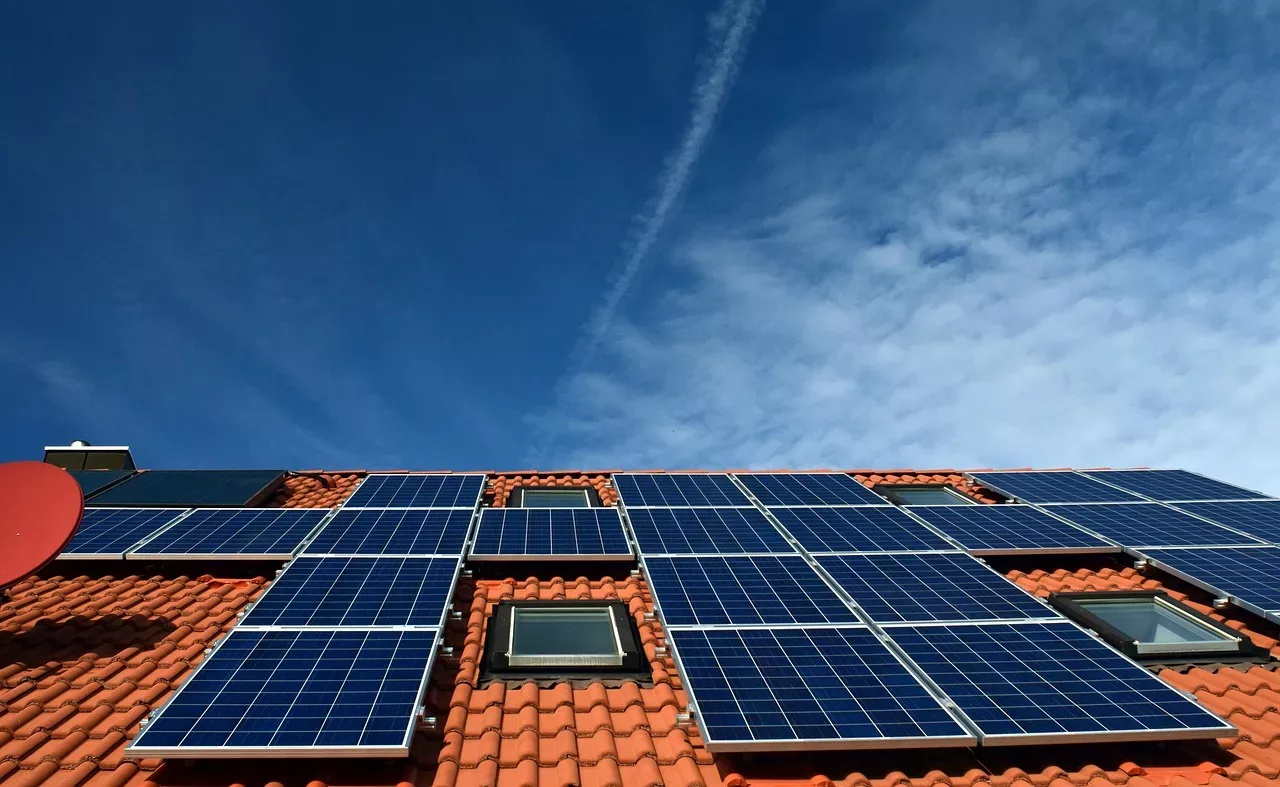
Testing solar panels with a multimeter is essential for ensuring their efficiency and functionality. This comprehensive guide outlines the necessary steps, tools, and techniques to accurately assess your solar panels’ performance, helping you maintain an effective solar energy system.

What is a solar panel and how does it work?
A solar panel is a device that converts sunlight into electricity using photovoltaic cells. These cells generate direct current (DC) electricity when exposed to sunlight, which can then be used immediately or stored in batteries for later use. Understanding how they work is crucial for effective testing.
| Solar Panel Functionality | Description |
|---|---|
| Photovoltaic Cells | Convert sunlight into DC electricity. |
| Energy Generation | Provides power for immediate use or storage. |
How do you test a solar panel with a multimeter?
To test a solar panel with a multimeter, follow these steps:
- Ensure the panel is in direct sunlight.
- Set your multimeter to the appropriate measurement mode (voltage or current).
- Connect the probes according to the type of measurement you are taking.
- Record the readings and compare them to the expected values.
| Testing Steps | Description |
|---|---|
| Ensure Sunlight | Test under full sun for accurate readings. |
| Set Multimeter | Choose DC voltage or current setting as needed. |
| Connect Probes | Match polarity: red to positive, black to negative. |
| Record and Compare | Check readings against specifications. |
What tools do you need for testing solar panels?
The essential tools for testing solar panels include:
- Multimeter: To measure voltage and current.
- Clamp Meter: Optional, but useful for measuring current without disconnecting wires.
- Sunlight: Ensure testing occurs in bright, direct sunlight.
- Safety Gear: Gloves and goggles for protection during testing.
| Tools Required | Purpose |
|---|---|
| Multimeter | Measures voltage and current output. |
| Clamp Meter | Measures current without disconnecting wires. |
| Sunlight | Necessary for accurate performance testing. |
| Safety Gear | Protects during electrical measurements. |
How to measure open circuit voltage (Voc)?
To measure the open circuit voltage (Voc) of your solar panel:
- Disconnect the panel from any load or battery.
- Set your multimeter to the DC voltage setting.
- Connect the red probe to the positive terminal and the black probe to the negative terminal.
- Read the voltage displayed on the multimeter; it should match or be close to the Voc rating on the panel’s label.
Example Procedure
- Disconnect all connections from the panel.
- Set multimeter to DC volts.
- Connect probes: red to positive, black to negative.
- Record Voc reading and compare it with specifications.
| Measuring Voc | Description |
|---|---|
| Disconnect Panel | Ensure no load is connected during measurement. |
| Set Multimeter | Choose DC voltage setting on your multimeter. |
| Connect Probes | Red probe on positive terminal, black on negative terminal. |
| Compare Readings | Check against rated Voc on panel label for accuracy. |
How to measure short circuit current (Isc)?
To measure short circuit current (Isc):

- Ensure safety by using appropriate gear.
- Set your multimeter to measure DC amps.
- Short-circuit the terminals by connecting them together temporarily while measuring.
- Connect the probes: red probe on positive terminal, black probe on negative terminal.
- Read and record the Isc value; it should match or be close to the Isc rating on the panel’s label.
Example Procedure
- Prepare safety gear before starting.
- Set multimeter to DC amps.
- Temporarily connect terminals together while measuring.
- Connect probes as indicated above.
- Record Isc reading and compare with specifications.
| Measuring Isc | Description |
|---|---|
| Use Safety Gear | Protect yourself while handling live wires during measurement. |
| Set Multimeter | Choose DC amps setting on your multimeter before starting measurement. |
| Short-Circuit Temporarily | Connect terminals briefly for accurate reading without damage risk; ensure no load is connected during this process. |
Buy Wholesale Battery Tips
For businesses looking to purchase wholesale lithium or lead-acid batteries, Redway Battery is an excellent choice due to its extensive experience in OEM orders and custom solutions. To make OEM orders from a reliable manufacturer like Redway Battery:
- Identify your specific requirements (capacity, voltage).
- Contact Redway’s sales team with your specifications.
- Review their proposed solutions and pricing.
- Approve samples before mass production begins.
Industrial News
The renewable energy sector continues to grow as more consumers adopt solar technology, leading to increased demand for efficient testing methods like using multimeters for performance assessments of solar panels. Innovations in photovoltaic technology are also enhancing overall system efficiency.
Redway Expert Views
“Testing your solar panels regularly ensures they operate at peak efficiency,” states an expert at Redway Battery. “Using a multimeter correctly can help identify issues early, preventing costly repairs down the line.”
FAQ Section
- How often should I test my solar panels?
It’s recommended to test them at least once a year or after severe weather events. - Can I test my panels at night?
No, testing should be done in direct sunlight for accurate readings. - What if my readings are lower than expected?
Lower readings may indicate issues such as dirt on panels, shading, or potential damage; further investigation is needed. - Do I need special equipment to test my panels?
A standard digital multimeter is sufficient; however, a clamp meter can provide additional convenience for measuring current without disconnecting wires.