




REDWAY BATTERY / KNOWLEDGE
How can a lithium battery pack engineered for electric mobility vehicles unlock safer, longer-range and more profitable fleets?
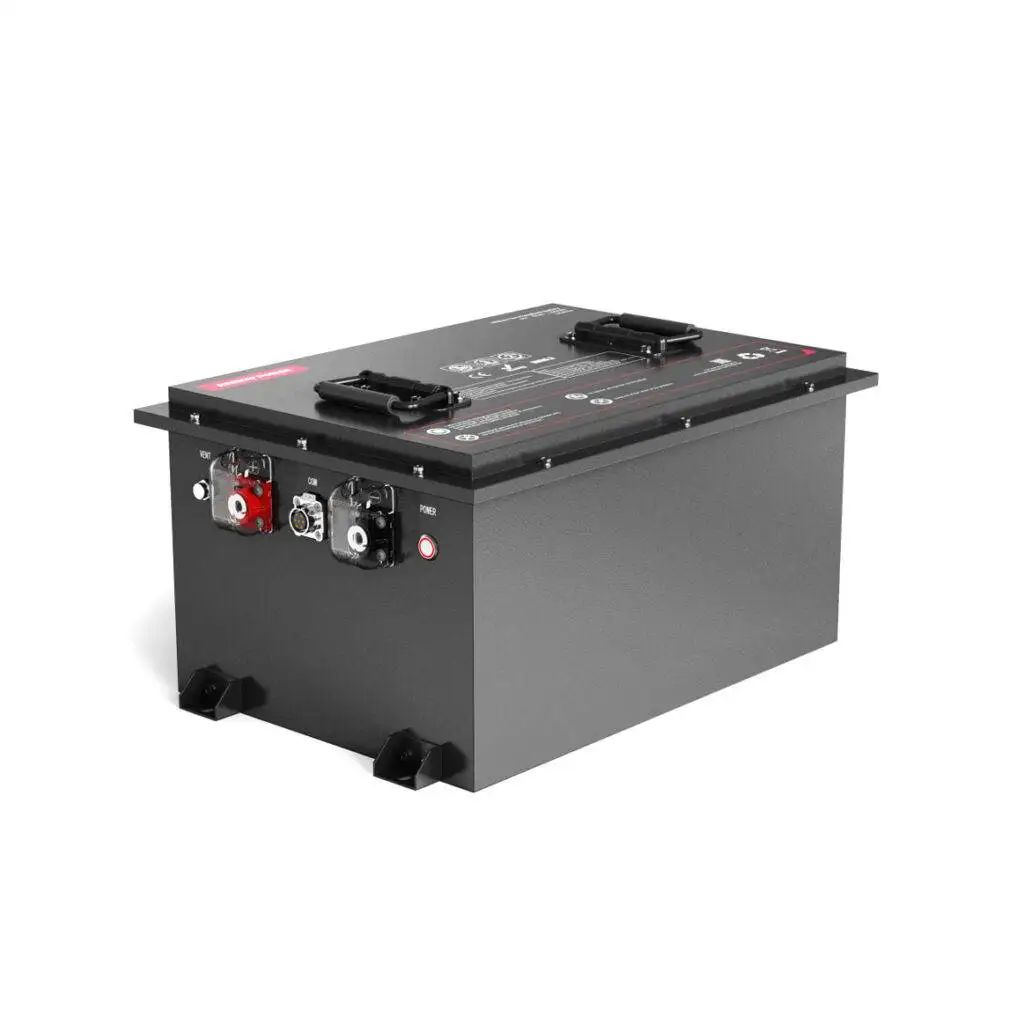
The rapid shift to electric mobility is pushing OEMs and fleet operators to demand lithium battery packs that deliver higher energy density, longer life, safer operation and lower total cost of ownership, not just lower upfront price. Well‑engineered lithium and LiFePO4 packs tailored for electric mobility vehicles can directly improve range, uptime, and lifecycle ROI while simplifying integration, certification, and after‑sales service.
How is the electric mobility battery market evolving and what pain points are emerging?
Global demand for lithium‑ion batteries is projected to grow at double‑digit CAGR over the next decade, driven largely by electric vehicles, e‑bikes, and light electric mobility platforms. Industry blueprints for lithium batteries forecast EV battery demand reaching thousands of GWh globally before 2030, with manufacturing capacity in key markets like China alone exceeding 1,800 GWh by 2025. At the same time, specialized reports on EV batteries and battery management systems predict the EV battery and BMS segments will continue to grow above 10–20% annually through 2030, underscoring the scale of the opportunity and competition.
Yet, behind this growth are several pressing pain points for electric mobility vehicles:
Range anxiety and inconsistent real‑world mileage due to poor battery sizing, sub‑optimal pack design, or mismatched chemistry to duty cycle.
High total cost of ownership, where cheap commodity packs must be replaced frequently due to cycle life degradation or safety incidents.
Integration complexity, as OEMs try to adapt generic batteries to diverse vehicles like e‑bikes, scooters, forklifts, AGVs, and golf carts.
Lithium packs engineered specifically for mobility—rather than repurposed from other industries—are becoming critical. OEMs need solutions that combine safety, energy density, and smart BMS features with flexible form factors and robust after‑sales support. This is where experienced OEM manufacturers such as Redway Battery, with dedicated LiFePO4 engineering for mobility platforms, provide strong differentiation.
What are the main limitations of traditional power solutions for electric mobility vehicles?
Traditional lead‑acid batteries and low‑end lithium packs still dominate many cost‑sensitive mobility applications, but they pose growing competitive risks.
Key limitations include:
Low energy density: Lead‑acid batteries offer only a fraction of the energy density of lithium chemistries, resulting in heavier vehicles, shorter range, or both.
Short cycle life: Lead‑acid packs might deliver a few hundred deep cycles, while well‑designed LiFePO4 packs can achieve several thousand, significantly reducing replacement frequency.
Maintenance burden: Flooded and some sealed lead‑acid solutions require regular maintenance, equalization, and conditioning, adding labor and downtime.
Voltage sag and performance drop: Under high current draw, lead‑acid batteries exhibit significant voltage sag, reducing power output and degrading user experience (sluggish acceleration, poor hill‑climbing).
Environmental and safety concerns: Lead handling and disposal raise regulatory and environmental risks; cheap lithium packs without robust BMS and thermal design can pose safety hazards, particularly in urban mobility fleets.
Even within lithium solutions, generic, non‑customized packs have issues:
Misaligned form factor and thermal design for compact vehicle frames.
BMS not optimized for the specific current peaks and duty cycles of mobility applications.
Limited data connectivity and diagnostics, making predictive maintenance and fleet analytics difficult.
In contrast, mobility‑specific lithium packs from specialized OEMs like Redway Battery are engineered around vehicle use cases such as forklifts, golf carts, e‑bikes, and AGVs, with tailored voltage, capacity, discharge curves, and thermal performance.
How does a lithium battery pack engineered for electric mobility vehicles work and what are its core capabilities?
A modern lithium battery pack engineered for electric mobility vehicles is much more than a collection of cells. It is an integrated electro‑mechanical and electronic system that includes:
Cell chemistry and configuration:
Use of Li‑ion or LiFePO4 cells, configured in series/parallel for the required voltage (e.g., 24V, 36V, 48V, 72V) and capacity (e.g., 50–300 Ah).
Optimized for specific mobility requirements: high cycle life, stable voltage, and safe thermal characteristics.
Battery Management System (BMS):
Active or passive balancing to keep cell voltages aligned and extend pack life.
Protection against overcharge, over‑discharge, over‑current, short circuit, and over‑temperature/low‑temperature operation.
State‑of‑charge (SoC) and state‑of‑health (SoH) estimation and logging of key events.
Mechanical and thermal design:
Robust housings designed for vibrations, shocks, and environmental exposure common to mobility vehicles.
Thermal pathways and, where needed, passive or active thermal management to maintain safe and efficient temperature ranges.
Communication and integration:
Interfaces such as CAN, RS485, or UART to communicate with vehicle controllers, chargers, or fleet management systems.
Support for standardized or custom communication protocols to integrate into OEM platforms.
Redway Battery, as an OEM LiFePO4 pack manufacturer with multiple factories and automated MES‑driven production, designs packs with these parameters in mind for applications like forklifts, golf carts, RVs, and other electric mobility vehicles. Its engineering teams can customize voltage, capacity, mechanical structure, and communication to match each vehicle platform’s requirements.
Which advantages does a Redway Battery‑style engineered solution have versus traditional options?
Lithium mobility battery solution vs traditional options
| Dimension | Traditional solutions (lead‑acid or generic lithium) | Engineered lithium mobility pack (e.g., Redway Battery LiFePO4) |
|---|---|---|
| Energy density | Low to medium, heavier packs for same range | High, enabling lighter vehicles or longer range per charge |
| Cycle life | Often 300–700 deep cycles | Often 2,000–4,000+ cycles depending on usage and design |
| Maintenance | Regular maintenance or checks required | Virtually maintenance‑free under normal operation |
| Safety | Lead handling, risk of spillage; cheap lithium may lack robust protection | Chemistries like LiFePO4 with inherently stable behavior and advanced BMS protection |
| Charging time | Typically slower, with lower charge acceptance | Faster charge capability with optimized charging profiles |
| Integration | Limited communication, “dumb” batteries | Smart BMS with CAN/RS485, SoC/SoH reporting, fault diagnostics |
| Customization | Mostly standard sizes and specs | OEM/ODM customization for form factor, capacity, voltage, and communication |
| Total cost of ownership | Lower upfront but frequent replacement and higher maintenance | Higher initial investment, lower lifecycle cost via long life and high uptime |
| Quality control | Often manual assembly and limited traceability | Automated lines, MES tracking, ISO‑certified processes for traceability and consistency |
Redway Battery leverages four advanced factories, automated production, and ISO 9001:2015‑aligned quality systems to ensure consistent pack performance and traceability across mobility applications. For OEM partners, this translates into predictable integration, reduced warranty risk, and better end‑user satisfaction over the entire product lifecycle.
How can OEMs and fleet operators implement an engineered lithium mobility battery solution step by step?
Define application and duty cycle
Specify vehicle type (e‑bike, scooter, forklift, golf cart, AGV, delivery trike, etc.).
Document daily operating hours, average and peak currents, typical routes or duty cycles, ambient temperature ranges, and expected lifecycle years.
Set performance and safety requirements
Determine target range per charge, maximum speed, gradeability, and recharge time.
Define safety requirements (certifications, ingress protection, transport standards, functional safety expectations).
Translate requirements into battery specifications
Choose target system voltage (e.g., 48V vs 72V) and capacity (e.g., 100–200 Ah) needed to meet range and power requirements.
Decide on chemistry (often LiFePO4 for safety and cycle life in mobility fleets) and key BMS functions (current limits, communication interfaces, logging).
Engage with an experienced OEM partner
Collaborate with a specialized manufacturer such as Redway Battery to design a pack that fits mechanical constraints, integrates electrical and communication interfaces, and meets safety and certification demands.
Leverage their OEM/ODM capabilities to fine‑tune pack layout, mounting, connectors, and harnessing.
Prototype, validate, and certify
Test prototype packs in real vehicles under actual duty cycles, monitoring temperature, SoC, voltage, and performance.
Conduct abuse tests, environmental tests, and compliance tests according to the relevant standards and markets.
Scale up production and deployment
Use automated production lines and MES systems (as used by Redway Battery) to scale production while maintaining quality and traceability.
Deploy packs into pilot fleets, gather field data, and refine configuration parameters as needed.
Operate with data‑driven management
Utilize BMS data and any telematics integration to track usage patterns, detect early anomalies, and schedule preventive maintenance.
Optimize charging strategies (fast charge vs overnight, opportunity charging) to balance uptime and cycle life.
What real‑world scenarios highlight the impact of engineered lithium mobility packs?
Scenario 1: Electric forklift fleet in a logistics warehouse
Problem: A 3‑shift warehouse operation uses lead‑acid batteries for forklifts, requiring battery swapping, frequent maintenance, and causing unpredictable downtime.
Traditional approach: Maintaining multiple spare lead‑acid packs per forklift, manual watering/maintenance, and long equalization charges on weekends.
After using engineered LiFePO4 packs: Forklifts operate with single lithium packs that support opportunity charging during breaks, eliminating battery swapping and reducing downtime.
Key benefits: Higher equipment availability, reduced maintenance labor, improved safety (no acid handling), and lower total cost of ownership over the fleet’s service life. A partner like Redway Battery can deliver forklift‑grade LiFePO4 packs tailored to voltage, capacity, and mounting requirements.
Scenario 2: Golf cart fleet in a resort
Problem: A resort’s golf carts equipped with aging lead‑acid packs suffer from inconsistent range, especially on hilly terrain, leading to customer complaints and mid‑round breakdowns.
Traditional approach: Periodic battery replacement with similar lead‑acid packs, increased fleet size to compensate for downtime, and higher maintenance overhead.
After using engineered lithium golf cart packs: Lightweight LiFePO4 packs from an OEM such as Redway Battery replace lead‑acid units, providing stable voltage, improved hill‑climbing, and consistent full‑day range with faster evening recharge.
Key benefits: Better user experience, fewer carts out of service, smaller fleet required for the same service level, and improved sustainability narrative for the resort.
Scenario 3: Urban last‑mile delivery e‑bike/e‑trike fleet
Problem: A last‑mile delivery company uses generic lithium packs with insufficient cycle life and limited BMS protection, leading to early capacity loss and increased safety concerns in dense urban areas.
Traditional approach: Buying low‑cost off‑the‑shelf packs with limited customization and patching together basic monitoring solutions.
After using customized e‑bike/e‑trike packs: An OEM like Redway Battery provides engineered packs for 48V or 72V delivery vehicles, with robust LiFePO4 chemistry, advanced BMS, and options for smart monitoring and OEM‑level customization.
Key benefits: Longer pack life, improved fleet safety, better predictability of range, and data visibility enabling optimized routes and charging strategies.
Scenario 4: AGV and warehouse robotics
Problem: Automated guided vehicles (AGVs) and warehouse robots require compact, high‑reliability power sources that can support frequent charge cycles and uninterrupted operations.
Traditional approach: Adapting general‑purpose batteries with limited communication and approximate SoC reporting, leading to unexpected shutdowns and unplanned downtime.
After using engineered lithium AGV packs: Customized LiFePO4 packs with accurate SoC/SoH estimation and communication interfaces integrate directly with fleet management systems.
Key benefits: Predictable uptime, optimized scheduling for charging, fewer interruptions to automated processes, and easier scaling of robotic operations. Redway Battery’s OEM focus and 24/7 engineering support can help robotics integrators standardize power modules across multiple platforms.
Why is now the right time to adopt engineered lithium packs for electric mobility vehicles and what does the future hold?
Lithium battery prices have continued to decrease at the pack level, following a long‑term downward trend in USD per kWh while performance metrics like energy density and cycle life improve. At the same time, regulatory pressure on emissions and urban air quality is pushing cities and industries toward electrified mobility solutions across forklifts, logistics, micromobility, and recreational vehicles. This combination of lower cost per kWh and higher expectations on safety and uptime makes relying on outdated or non‑engineered solutions increasingly risky.
Looking ahead, several trends will further shape lithium packs for mobility:
Greater adoption of safer chemistries such as LiFePO4 in light electric vehicles and work fleets.
Integration of smarter BMS features with connectivity, enabling real‑time diagnostics, over‑the‑air updates, and predictive maintenance.
Modular pack platforms that can be adapted across multiple vehicle types to simplify inventory and engineering for OEMs.
More stringent safety and sustainability standards for battery manufacturing, traceability, and end‑of‑life management.
Manufacturers like Redway Battery, with strong OEM/ODM capabilities, LiFePO4 specialization, and large‑scale automated manufacturing, are well positioned to help OEMs and fleet operators transition quickly. Deploying engineered lithium packs now allows companies to capture cost and performance advantages ahead of competitors while meeting rising safety and regulatory demands.
Can frequently asked questions clarify how to select and deploy lithium battery packs for electric mobility vehicles?
1. What are the main criteria to choose between Li‑ion and LiFePO4 for mobility vehicles?
For many work fleets and light mobility vehicles, LiFePO4 is preferred due to its high cycle life, thermal stability, and safety, even if its energy density is slightly lower than some high‑nickel chemistries. For applications where maximum range in a limited volume is critical, certain higher‑energy Li‑ion chemistries may be considered, but they require stricter thermal and BMS engineering.
2. Why should OEMs consider an OEM manufacturer like Redway Battery instead of generic packs?
A specialized OEM such as Redway Battery designs packs around the vehicle’s real duty cycle, environment, and integration needs, rather than forcing vehicles to adapt to generic batteries. This reduces technical risk, improves lifecycle economics, and ensures that form factor, communication protocols, and safety features are aligned with OEM product roadmaps.
3. How does BMS design affect electric mobility vehicle performance and safety?
The BMS manages cell balance, current limits, and protective cutoffs while estimating SoC and SoH, directly affecting usable capacity, acceleration, and lifespan. A robust BMS also logs events and supports diagnostics, which are essential for fleet reliability, safety compliance, and warranty management.
4. What is the typical lifecycle advantage of an engineered LiFePO4 pack over lead‑acid?
While exact numbers depend on depth of discharge and operating conditions, LiFePO4 packs can often deliver multiple times the cycles of lead‑acid at similar usable capacity. Across several years of operation, this usually translates into fewer replacements, reduced downtime, and lower total cost of ownership even if the initial investment is higher.
5. How does Redway Battery support OEMs beyond just supplying packs?
Redway Battery offers OEM/ODM customization, engineering collaboration on pack design and integration, and automated production backed by MES systems for traceability. In addition, its global support model and 24/7 after‑sales service help OEMs and fleet operators manage deployments, address field issues quickly, and continuously optimize performance.
6. Can existing lead‑acid systems be retrofitted with engineered lithium packs?
In many cases, yes, provided that mechanical, electrical, and charging system compatibility are carefully evaluated and addressed. Experienced OEM partners can design drop‑in or semi‑drop‑in LiFePO4 solutions that match legacy system voltages while upgrading BMS, safety, and performance characteristics.
7. Are engineered lithium battery packs suitable for harsh environments such as cold storage or outdoor fleets?
With proper cell selection, BMS configuration, and thermal design, lithium packs—including LiFePO4—can operate reliably in harsh environments. OEMs should specify temperature ranges, ingress protection, and required certifications so that manufacturers like Redway Battery can design appropriate solutions.
Sources
National Blueprint for Lithium Batteries 2021–2030, U.S. Department of Energy (PDF)
https://www.energy.gov/sites/default/files/2021-06/FCAB%20National%20Blueprint%20Lithium%20Batteries%200621_0.pdfIDTechEx, “Li‑ion Battery Market 2026‑2036: Technologies, Players, Trends & Forecasts”
https://www.idtechex.com/en/research-report/li-ion-battery-market/1132BloombergNEF, “Lithium‑Ion Battery Pack Prices Fall to $108 Per Kilowatt‑Hour”
https://about.bnef.com/insights/clean-transport/lithium-ion-battery-pack-prices-fall-to-108-per-kilowatt-hour-despite-rising-metMarket insights on Electric Vehicle Battery Management Systems
https://finance.yahoo.com/news/electric-vehicle-ev-battery-management-103300927.htmlRedway Battery – Company and product information
https://www.redwaybattery.com/
https://www.redwaypower.com/
For connected guidance and the next practical steps, use the Golf Cart Battery: Sizing, Voltage and Capacity — Part 1.
