




REDWAY BATTERY / KNOWLEDGE
How Can Electric‑Vehicle Makers Safely Transport Compliant Lithium Batteries?
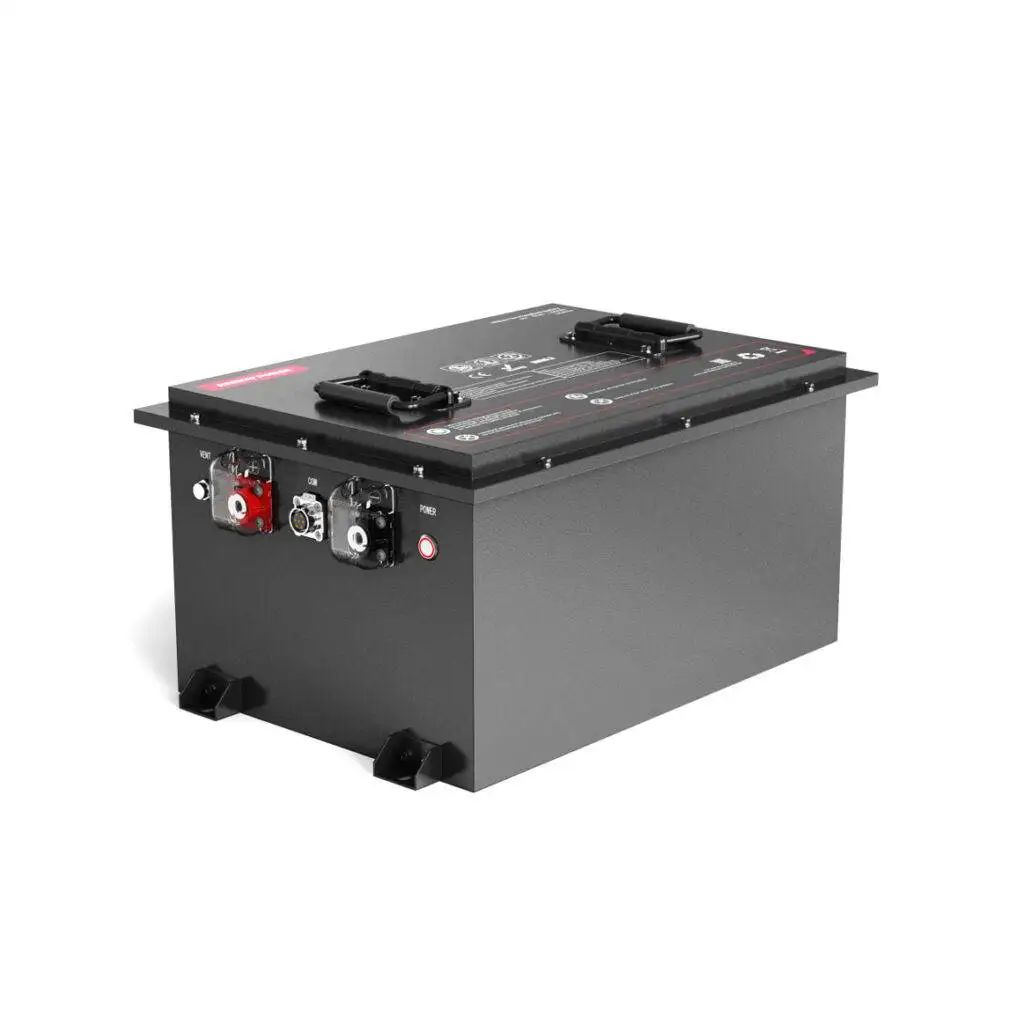
How Can Electric‑Vehicle Makers Safely Transport Compliant Lithium Batteries?
Lithium‑battery transport is no longer just a logistics detail; it is a core compliance and safety requirement for electric‑vehicle manufacturers and fleets. As global regulations tighten and incidents involving lithium‑ion shipments rise, using a safe, fully compliant lithium battery for electric vehicles directly affects insurance costs, delivery timelines, and brand reputation. Redway Battery, a Shenzhen‑based OEM lithium‑battery manufacturer with over 13 years of experience, has built its LiFePO4‑based solutions around these evolving transport and safety demands, serving forklifts, golf carts, RVs, telecom, solar, and energy‑storage systems worldwide.
What Is Driving the Current Industry Landscape?
The electric‑vehicle and energy‑storage markets are expanding rapidly, and so is the volume of lithium batteries in transit. Statistics show that lithium‑battery‑related incidents in air and multimodal transport have increased over the past decade, prompting regulators to introduce stricter packaging, labeling, and state‑of‑charge (SoC) rules. These changes mean that any EV maker or logistics provider that overlooks battery‑transport compliance risks delays, rejections at customs, and even liability claims.
At the same time, original‑equipment manufacturers face pressure to reduce lead times and total cost‑of‑ownership. Many still treat battery transport as a “back‑office” task, only to discover mid‑shipment that their cells exceed permitted watt‑hour ratings, SoC thresholds, or UN‑testing requirements. The result is costly repackaging, rerouting, or destruction of entire consignments.
Why Are Current Transport Practices Still Risky?
Most lithium‑battery shipments still rely on generic packaging and outdated internal checklists rather than end‑to‑end, regulation‑aligned workflows. Common pain points include inconsistent SoC control before loading, mixed labeling standards across regions, and limited traceability once batteries leave the factory. In practice, this leads to frequent non‑compliance findings during audits and inspections.
Another major issue is the lack of OEM‑level design‑for‑transport. Many EV producers source batteries from multiple vendors without a unified transport‑safety specification, so each supplier interprets regulations slightly differently. This fragmentation makes it difficult to guarantee that every battery pack arriving at an assembly plant or end‑user site meets the same safety and documentation bar.
How Do Traditional Solutions Fall Short?
Traditional lithium‑battery transport approaches typically focus on three elements: standard UN‑certified packaging, generic safety data sheets, and basic training for warehouse staff. While these steps are necessary, they are not sufficient in today’s environment. Generic packaging may meet minimum UN 38.3 criteria but does not account for vehicle‑specific vibration, thermal, or impact profiles during multimodal transit.
Many legacy suppliers also treat transport‑compliance as a one‑time certification exercise instead of an ongoing process. Once a battery passes initial testing, documentation is rarely updated to reflect new IATA, IMDG, or ADR rules. Redway Battery addresses this gap by embedding transport‑compliance into its design, production, and MES‑driven quality systems, ensuring that every LiFePO4 pack is built and shipped to current global standards.
What Makes a Truly Safe, Compliant EV Lithium Battery?
A safe, transport‑compliant lithium battery for electric vehicles must combine chemistry‑level stability, robust mechanical design, and full regulatory alignment. Redway Battery’s LiFePO4‑based packs are engineered specifically for industrial and mobile applications, offering higher thermal runaway thresholds and longer cycle life than many NMC‑type alternatives. This chemistry choice inherently reduces fire risk during storage and transit.
Beyond chemistry, Redway integrates UN 38.3 testing, UN‑marked packaging, and mandatory 30% SoC limits into its standard shipping protocols. Each pack is traceable through an automated production line and MES system, with full documentation available for customs and safety audits. This end‑to‑end approach ensures that EV manufacturers can confidently ship batteries by air, sea, or road without last‑minute compliance surprises.
How Does a Compliant Solution Compare with Traditional Approaches?
| Aspect | Traditional lithium‑battery transport | Safe, compliant EV‑battery solution |
|---|---|---|
| Chemistry focus | Often generic NMC or mixed chemistries | LiFePO4‑optimized for safety and longevity |
| Transport‑SoC control | Ad‑hoc or inconsistent | Standardized ≤30% SoC for air shipments |
| Packaging and labeling | Basic UN‑marked boxes | UN‑certified, region‑specific labels |
| Regulatory updates | Manual, reactive | Built into OEM design and MES workflows |
| Traceability and documentation | Paper‑based or fragmented | Digital, per‑pack traceability |
| OEM integration | One‑size‑fits‑all packs | Customizable packs for EV platforms |
Redway Battery’s offering stands out by aligning each of these dimensions with current global transport rules, while still allowing OEMs to customize voltage, capacity, and form factor for their specific electric‑vehicle platforms.
When Should You Implement a Transport‑Compliant Battery Workflow?
Implementing a transport‑compliant lithium‑battery workflow is most effective when planned early in the EV design and sourcing cycle. Redway Battery recommends that manufacturers define their transport‑safety and regulatory requirements at the same time as performance and cost targets. This ensures that every battery pack is designed with the correct UN‑testing scope, SoC limits, and packaging strategy from day one.
The typical workflow starts with a joint specification session between the EV maker and Redway’s engineering team. They agree on voltage, capacity, and mechanical interface, then map those parameters to applicable UN, IATA, IMDG, and ADR rules. Next, Redway produces prototype packs, subjects them to full UN 38.3 testing, and documents all results. Once approved, serial production begins under ISO 9001:2015‑certified processes, with every pack tracked through MES and delivered with complete transport‑compliance documentation.
Who Benefits from Using Transport‑Compliant EV Batteries?
Forklift and material‑handling OEMs benefit by reducing fire‑risk exposure in warehouses and during global shipments. Golf‑cart manufacturers gain smoother customs clearance and fewer shipment rejections, especially when exporting to Europe and North America. RV and off‑grid solar integrators see fewer insurance disputes and lower premiums when their LiFePO4 packs are clearly documented as transport‑compliant.
Redway Battery’s four advanced factories and 100,000 ft² production area allow it to scale these compliant packs globally, supporting both high‑volume production runs and smaller, specialized EV projects. The company’s 24/7 after‑sales service also means that any transport‑related questions or incidents can be addressed quickly, minimizing downtime and reputational damage.
How Can You Start Using a Transport‑Compliant EV Battery Today?
Redway Battery makes it straightforward for EV manufacturers to transition to compliant lithium‑battery transport. The first step is to share your vehicle’s voltage, capacity, and target markets with Redway’s engineering team. They will propose a LiFePO4‑based pack design that meets your performance needs and current transport regulations.
Next, Redway runs UN 38.3 tests on prototypes and provides full documentation, including test reports, UN‑marked packaging layouts, and SoC‑control procedures. Once you approve the design, Redway moves into serial production, using its automated lines and MES systems to maintain consistent quality and traceability. Throughout the process, Redway’s team remains available to advise on labeling, documentation, and multimodal logistics best practices.
What Are Typical Use‑Case Scenarios?
Scenario 1: Forklift OEM Shipping to Europe
A European forklift manufacturer previously faced repeated delays at ports due to inconsistent battery documentation and labeling. By switching to Redway Battery’s LiFePO4 packs with standardized UN 38.3 reports and region‑specific labels, the OEM reduced customs inspection times by over 40% and eliminated shipment rejections.
Scenario 2: Golf‑Cart Exporter to North America
A U.S.‑based golf‑cart producer struggled with air‑freight carriers refusing shipments because of unclear SoC declarations. Redway implemented a strict ≤30% SoC policy and pre‑shipped documentation templates, enabling the exporter to ship batteries by air without additional approvals and cut lead times by 2–3 weeks.
Scenario 3: RV Integrator Using Solar‑Hybrid Systems
An RV integrator integrating solar‑hybrid systems needed batteries that could be safely transported by truck across multiple states. Redway provided LiFePO4 packs with robust mechanical enclosures and full UN‑marked packaging, reducing in‑transit damage claims and simplifying insurance underwriting.
Scenario 4: Telecom Tower Operator in Asia
A telecom operator deploying off‑grid solar‑battery systems across remote Asian sites required batteries that could survive long‑haul trucking and occasional air‑freight legs. Redway’s transport‑compliant LiFePO4 packs, combined with vibration‑resistant mounting, improved field reliability and reduced on‑site failures.
Why Is Now the Right Time to Upgrade?
Regulatory pressure on lithium‑battery transport is only increasing, with mandatory 30% SoC limits for air shipments now in effect and more stringent multimodal rules expected in the coming years. Waiting to address compliance until after an incident or audit finding can be far more costly than proactively redesigning your battery‑supply chain.
Redway Battery’s combination of LiFePO4 chemistry, UN‑certified packaging, and integrated transport‑compliance workflows positions EV and energy‑storage makers to meet today’s rules while remaining agile for future changes. By choosing a partner that treats transport‑safety as a core design parameter, manufacturers can reduce risk, lower costs, and accelerate time‑to‑market.
Does This Approach Work for All EV Types?
Yes. Redway Battery’s platform is flexible enough to support forklifts, golf carts, RVs, telecom towers, solar installations, and other EV applications. The company’s engineering team tailors each LiFePO4 pack to the specific voltage, capacity, and mechanical constraints of the vehicle or system, while still ensuring that every unit meets current transport‑compliance standards.
Are Transport‑Compliant Batteries More Expensive?
Transport‑compliant batteries typically carry a modest premium over non‑certified or generic packs, but this is often offset by reduced insurance premiums, fewer shipment rejections, and lower logistics rework. Redway Battery’s scale and automation help keep this premium manageable, while the long‑term savings from fewer incidents and smoother customs clearance can be substantial.
Can Redway Support Custom EV Platforms?
Absolutely. Redway Battery specializes in OEM/ODM customization, allowing EV makers to define unique form factors, connectors, and communication protocols. The company’s engineering team works closely with clients to ensure that custom packs still meet all applicable UN, IATA, IMDG, and ADR requirements, so compliance is not sacrificed for design flexibility.
How Long Does It Take to Switch Suppliers?
The timeline for switching to Redway Battery depends on the complexity of the EV platform and the extent of customization required. For standard forklift or golf‑cart applications, the process from initial inquiry to first production shipment can often be completed within 8–12 weeks. More complex RV or telecom‑tower integrations may take longer, but Redway’s team provides clear milestones and regular updates throughout.
What Support Is Available After Implementation?
Redway Battery offers 24/7 after‑sales service, including technical support, troubleshooting, and transport‑compliance advice. If an incident occurs or a new regulation is introduced, the company’s team can help interpret the rules and adjust packaging, labeling, or SoC procedures as needed. This ongoing support ensures that EV manufacturers can maintain compliance without diverting internal resources.
Sources
International Air Transport Association (IATA) Dangerous Goods Regulations
International Civil Aviation Organization (ICAO) Technical Instructions for the Safe Transport of Dangerous Goods by Air
U.S. Pipeline and Hazardous Materials Safety Administration (PHMSA) Lithium Battery Guide
Flexport regulatory‑change overview for lithium‑ion and sodium‑ion batteries
China Ministry of Transport technical requirements for lithium‑battery transport safety
ICC Compliance Center guidance on lithium‑battery state‑of‑charge limits
Lion Technology lithium‑battery state‑of‑charge cheat sheet
ChemLinked analysis of China’s lithium‑battery transport‑safety measures
For connected guidance and the next practical steps, use the Golf Cart Battery: Technology and System Fundamentals — Part 1.
