




REDWAY BATTERY / KNOWLEDGE
How can high reliability lithium batteries transform commercial electric carts?
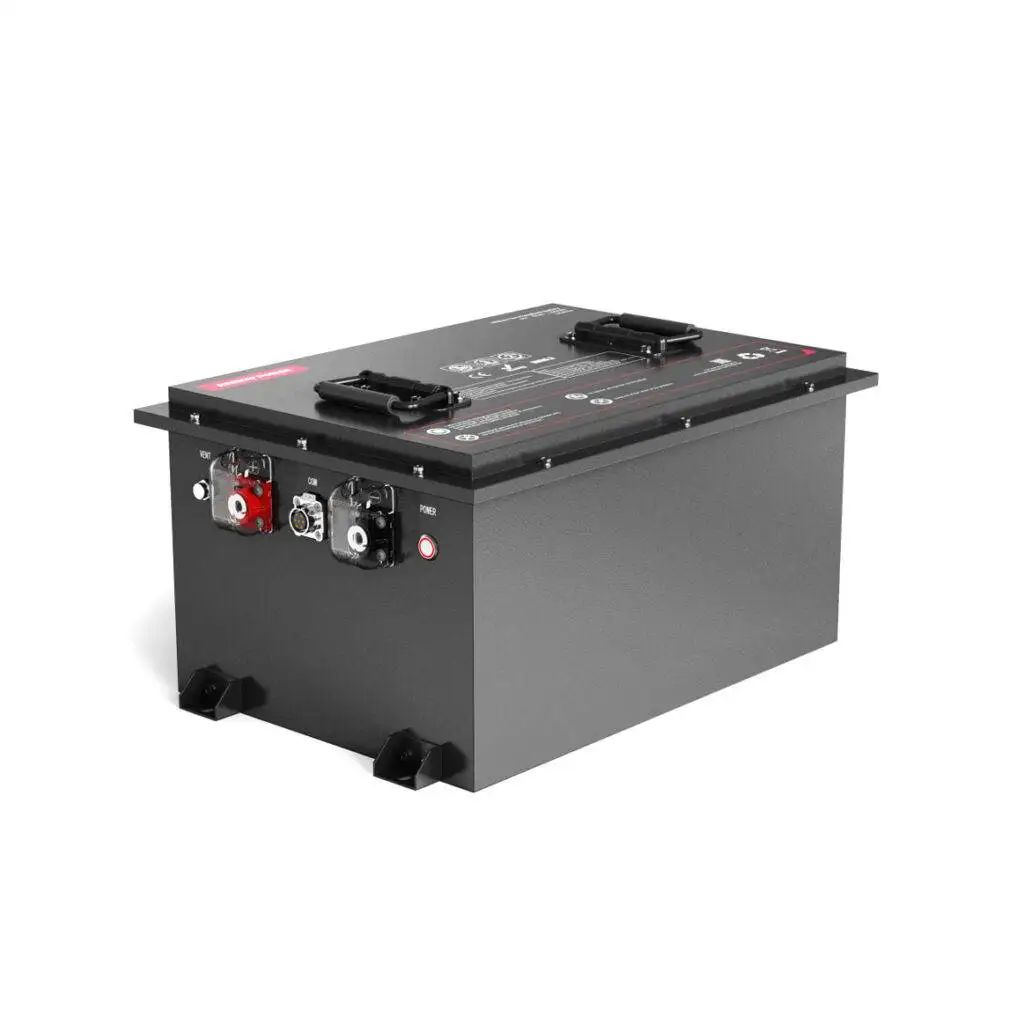
Commercial electric carts are rapidly shifting from lead-acid to lithium batteries because fleets need longer runtime, fewer breakdowns, and lower lifecycle cost to stay profitable and compliant with stricter safety and environmental standards. High-reliability LiFePO4 solutions from experienced OEMs like Redway Battery are becoming the core infrastructure behind modern cart fleets in resorts, campuses, factories, and logistics parks.
How is the commercial electric cart industry changing and what pain points are emerging?
Global demand for electric low‑speed vehicles (LSVs) such as golf carts, resort shuttles, and industrial utility carts has been growing steadily, driven by tourism, industrial automation, and campus mobility. Fleet operators increasingly run vehicles 8–12 hours a day, often with opportunity charging and high peak-load usage. Under these conditions, traditional lead‑acid batteries struggle to deliver consistent performance.
Operators report three main pain points: unexpected downtime, escalating maintenance labor, and premature battery replacement. Lead‑acid batteries typically offer only a few hundred to around one thousand deep cycles under real‑world conditions, and performance drops significantly when they are not fully charged or properly maintained. This leads to frequent cart unavailability during peak hours and higher total cost of ownership.
At the same time, safety and sustainability expectations are rising. Facilities that serve tourists or residents must ensure predictable, safe operation and often face internal or regulatory pressure to reduce acid spills, off‑gassing, and battery waste. Lithium iron phosphate (LiFePO4) technology directly targets these issues by offering longer life, higher usable capacity, and maintenance‑free operation, making it increasingly attractive as the default choice for new commercial fleets.
What are the limitations of traditional battery solutions for commercial carts?
Traditional flooded or AGM lead‑acid batteries impose strict maintenance routines, including regular watering, equalization charging, and terminal cleaning. Skipping or delaying these tasks quickly accelerates capacity loss and sulfation. In a busy commercial environment, technicians often cannot maintain every pack perfectly, so real‑world life is much shorter than the theoretical rating.
Lead‑acid chemistry also suffers from slow charging and partial‑state‑of‑charge penalties. Opportunity charging between shifts either takes too long or shortens lifespan when done improperly. Voltage sag under high current draw can be significant, which is noticeable on hilly routes or with heavy loads, and operators experience sluggish performance near the end of the shift.
Weight and energy efficiency are additional constraints. Lead‑acid packs are bulky and heavy, reducing payload and putting more stress on brakes and suspensions. Energy efficiency is lower, meaning more electricity is wasted as heat instead of being converted into useful work. Over the life of a fleet, these drawbacks translate into more frequent battery purchases, higher electricity bills, and more downtime compared with modern lithium solutions.
How does a high reliability lithium solution like LiFePO4 from Redway Battery work for commercial carts?
High reliability lithium solutions for commercial carts typically use LiFePO4 chemistry due to its stable structure, long cycle life, and strong safety profile. A typical pack integrates cells, a smart battery management system (BMS), and a robust enclosure designed for vibration, moisture, and dust in real operating environments. The BMS continuously monitors voltage, current, temperature, and state of charge to prevent over‑charge, over‑discharge, and over‑current, thereby extending life and reducing risk.
Redway Battery, with more than 13 years of OEM experience, focuses on LiFePO4 packs tailored for forklifts, golf carts, and other electric vehicles. Their engineering teams design packs to match system voltages common in carts (such as 36 V, 48 V, and 72 V) and can customize capacity and form factor to fit existing battery compartments. As an ISO 9001:2015 certified manufacturer operating several automated factories and MES‑controlled production, Redway Battery is able to maintain consistent quality and traceability across large fleet deployments.
In addition to core performance, a high reliability solution includes thermal management design, IP‑rated enclosures for outdoor conditions, and communication interfaces with the vehicle or telematics systems. Redway Battery also supports OEM/ODM customization and 24/7 after‑sales service, which is critical for commercial operators who cannot afford prolonged downtime. By aligning hardware, software, and service, Redway delivers a full-stack energy solution rather than just a commodity battery.
What does the advantage table between traditional and high reliability lithium solutions look like?
| Dimension | Traditional lead-acid carts battery | High reliability LiFePO4 (e.g., Redway Battery) |
|---|---|---|
| Typical cycle life | ~400–1,000 cycles | 3,000–5,000+ cycles |
| Usable depth of discharge | 50–60% recommended | 80–90% usable regularly |
| Charging time | 8–12 hours full charge | About 1–4 hours with proper charger |
| Maintenance needs | Regular watering, cleaning, checks | Maintenance‑free (no watering) |
| Weight | Heavy, reduces payload | 30–50% lighter for same energy |
| Efficiency | Lower round‑trip efficiency | Higher efficiency, less wasted energy |
| Voltage sag under load | Strong sag near end of charge | Stable voltage until near depletion |
| Total cost of ownership | Lower upfront, higher lifetime cost | Higher upfront, significantly lower lifetime cost |
| Environmental impact | Acid, more frequent replacements | Longer life, no acid, lower waste |
| Data and monitoring | Limited or none | Smart BMS, optional telematics integration |
How can fleets implement a high reliability lithium solution step by step?
Assess fleet usage and requirements
Map routes, operating hours per day, average and peak loads, and charging opportunities.
Identify performance problems: insufficient runtime, frequent breakdowns, or maintenance bottlenecks.
Define technical specifications
Determine system voltage (36 V, 48 V, 72 V) and required capacity in amp‑hours or kWh.
Specify cycle life target, operating temperature range, and environmental conditions (indoor, outdoor, humidity, dust).
Select a qualified lithium partner
Choose an experienced OEM such as Redway Battery with proven LiFePO4 solutions for golf carts and industrial vehicles.
Verify certifications (such as ISO 9001), factory scale, and ability to provide OEM/ODM customization and after‑sales support.
Conduct pilot deployment
Retrofit a subset of carts with selected lithium packs while keeping control units on lead‑acid.
Track uptime, runtime per charge, user satisfaction, and maintenance incidents over several months.
Standardize interfaces and charging
Align chargers, connectors, and communication protocols across the fleet.
Implement charging policies that leverage fast and opportunity charging without over‑stressing the grid.
Roll out fleet‑wide conversion
Prioritize routes and sites with the highest usage and most severe pain points.
Plan installation windows to avoid service disruption and train maintenance staff on the new system.
Monitor and optimize
Use BMS data and, if available, telematics to optimize routes, charging schedules, and preventive maintenance.
Adjust capacity or configuration in future orders, using OEM customization capabilities from partners like Redway Battery.
Which typical application scenarios best illustrate the benefits?
Resort shuttle carts
Problem: A large resort operates shuttles 14 hours a day with frequent stops and hills. Lead‑acid packs fail to last full shifts, forcing mid‑day battery swaps and frustrating guests with cart shortages.
Traditional approach: Keep multiple spare lead‑acid packs in rotation and a full‑time technician to manage watering and equalization, leading to high labor and storage costs.
After lithium adoption: High reliability LiFePO4 packs provide consistent power for full shifts, with opportunity charging during breaks and lunch. Smart BMS data helps anticipate when carts need charging.
Key benefits: Higher guest satisfaction, fewer out‑of‑service carts, reduced labor, and lower total battery spend over several years.
Industrial park utility fleet
Problem: An industrial campus uses carts to move parts and tools between buildings. Voltage sag with lead‑acid causes slow performance when carrying heavy loads, limiting productivity.
Traditional approach: Limit load weight per trip and accept frequent downtimes for charging and battery cooling.
After lithium adoption: LiFePO4 packs maintain stable voltage under load, enabling higher payloads and more trips per shift without performance drop‑off. Minimal maintenance frees technicians for higher‑value tasks.
Key benefits: Increased throughput, better use of labor, and improved schedule reliability for internal logistics.
University campus mobility
Problem: A university operates campus shuttles and service carts year‑round in varied weather. Lead‑acid batteries require indoor maintenance and often fail near exams or events when usage spikes.
Traditional approach: Over‑purchase carts and batteries to hedge against failures, tying up capital and storage.
After lithium adoption: Reliable LiFePO4 packs with long cycle life support daily operations through seasons, with quick turnaround via fast charging. Integration with simple telematics allows facilities staff to track state of charge across the fleet.
Key benefits: Fewer reserve vehicles needed, better budget planning, and more predictable service for students and staff.
Golf course and rental operations
Problem: A golf course with rental carts experiences customer complaints when carts slow down on the back nine due to weak lead‑acid batteries. Batteries need frequent replacement, cutting into profits.
Traditional approach: Replace packs every one to two seasons, absorb maintenance overhead, and accept inconsistent customer experience.
After lithium adoption: High reliability lithium golf cart batteries provide full‑round performance with consistent acceleration and hill‑climbing. Operators schedule overnight charges and occasional top‑ups on busy tournament days.
Key benefits: Improved customer experience, fewer refunds or discounts, and extended battery life that spreads investment over many seasons.
Why is now the right time to transition and what future trends matter?
Lithium prices and pack integration costs have decreased while performance and safety standards have improved, making the cost–benefit balance more attractive than ever for commercial operators. At the same time, expectations for uptime, safety, and sustainability have tightened, especially in hospitality, education, and industrial sectors. Fleets that continue to rely on lead‑acid risk higher long‑term costs and more frequent operational disruptions.
Looking ahead, tighter energy management and data integration will define competitive fleets. Smart BMSs, telematics, and fleet management software will increasingly work together to optimize charging windows, forecast battery replacement, and even interact with facility energy management systems. Partners like Redway Battery, with strong OEM/ODM engineering capabilities and robust manufacturing foundations, are well positioned to deliver LiFePO4 packs that integrate smoothly into these data‑driven ecosystems. Acting now allows operators to lock in performance gains, reduce lifecycle cost, and prepare for future regulatory or customer requirements.
What FAQs do commercial operators often ask about high reliability lithium batteries for carts?
Is a lithium upgrade really cheaper over the full life of a commercial electric cart?
Yes, even though lithium packs usually cost more upfront, their much longer cycle life, higher usable capacity, and near‑zero maintenance typically reduce total cost of ownership over several years.Can existing lead-acid carts be converted to LiFePO4 batteries?
In most cases, yes. As long as the system voltage and form factor are matched, many fleets successfully retrofit existing carts with LiFePO4 packs, often with minor bracket or connector adjustments. Partnering with an OEM like Redway Battery helps ensure mechanical and electrical compatibility.Are LiFePO4 batteries safe for use in public environments like resorts and campuses?
LiFePO4 chemistry is known for thermal stability and a strong safety profile, especially when combined with a well‑designed BMS, robust enclosure, and proper installation. This makes it suitable for public and high‑traffic environments.How long do high reliability lithium batteries typically last in commercial operations?
Depending on depth of discharge, temperature, and usage patterns, quality LiFePO4 packs can deliver thousands of cycles, often remaining in service for many years before capacity drops below the required threshold for the application.Who should I work with if I need customized lithium solutions for a mixed fleet of carts and other vehicles?
Operators needing consistent performance across carts, forklifts, RVs, telecom, solar, or storage systems should work with an experienced OEM such as Redway Battery. Their multi‑factory capacity, ISO‑certified processes, and engineering team enable tailored pack designs and long‑term support for complex fleets.
Sources
For connected guidance and the next practical steps, use the Golf Cart Battery: Brands, Models and Fitment — Part 1.
