




REDWAY BATTERY / KNOWLEDGE
How Can Long Cycle Life Lithium Iron Phosphate Batteries Transform Golf Cart Fleets?
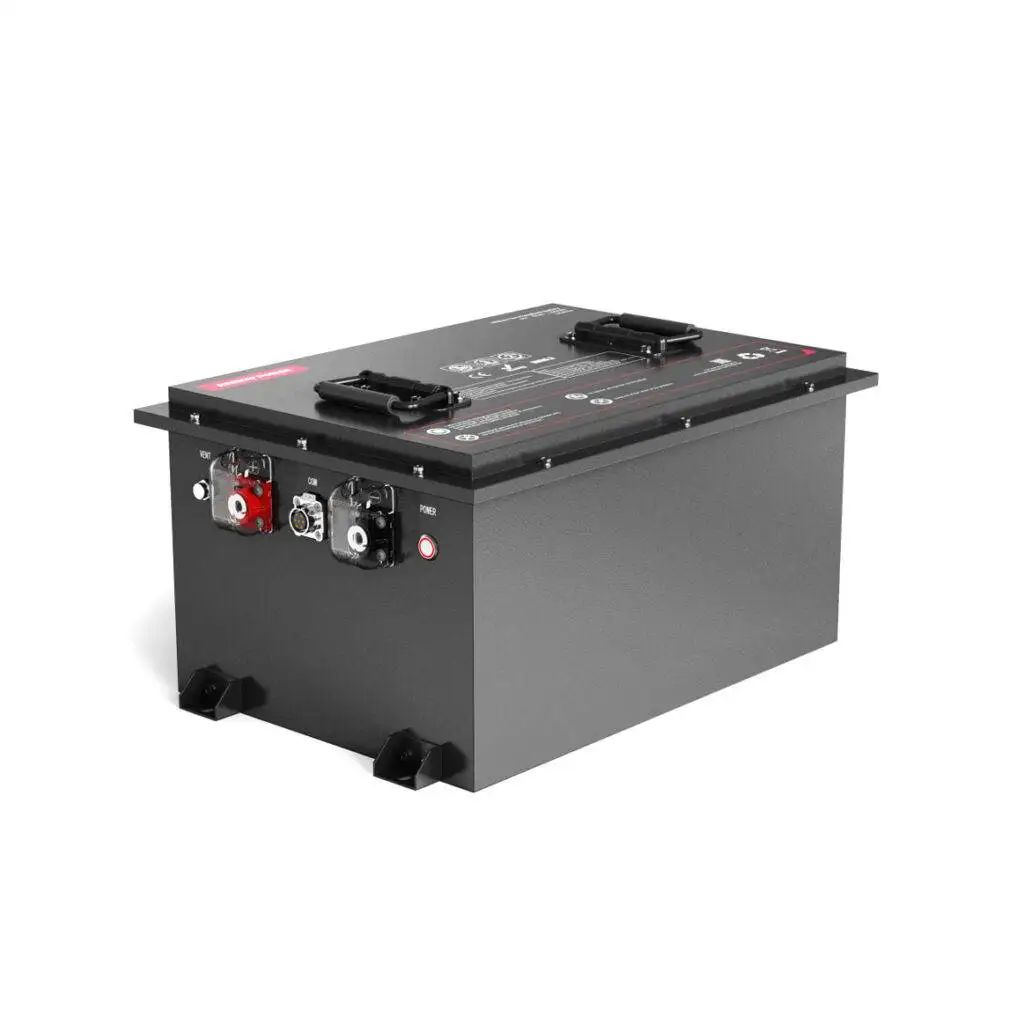
The global shift from lead‑acid to lithium iron phosphate (LiFePO4) batteries is reshaping golf cart operations by extending battery life, shrinking lifecycle costs, and improving safety and uptime, especially for commercial fleets that demand predictable performance and low maintenance.
What Is Happening in the Golf Cart Battery Market Today?
Industry data shows the global golf cart battery market is projected to grow from about 0.54 billion USD in 2026 to around 0.8 billion USD by 2035, driven largely by the electrification of fleets in golf, resorts, campuses, and gated communities. In North America, the golf cart battery segment is expected to grow at a CAGR above 8% between 2025 and 2032 as adoption expands beyond golf courses into hospitality, education, and industrial campuses. At the same time, up to 43% of manufacturers report pressure from high battery replacement costs and raw material volatility, putting profitability and total cost of ownership under stress.
Behind these numbers lies a clear operational pain point: traditional lead‑acid batteries in golf carts typically deliver only 500–800 cycles in real‑world use, meaning fleet owners may face replacements every 2–4 years depending on usage intensity. Frequent replacements, water topping, and performance degradation under partial state‑of‑charge conditions add staff workload, create downtime, and make operating costs hard to predict. As fleets expand and carts are used more intensively for transportation, logistics, and guest services, the need for long‑cycle‑life, low‑maintenance batteries like LiFePO4 has become both an economic and strategic priority.
How Are Current Industry Pain Points Impacting Operators?
Growing adoption of electric carts means battery costs now represent a large share of lifetime operating expenses for golf courses, resorts, and commercial users. When carts run multiple shifts per day or operate in hot climates, traditional batteries lose capacity faster, leading to mid‑day range anxiety, more frequent charging, and unplanned outages. Lead‑acid batteries are also sensitive to improper charging and discharging; repeated deep discharges without timely recharging can dramatically shorten usable life, forcing premature replacement.
For operators, this translates into:
Higher total cost of ownership (TCO) due to short cycle life and recurring replacement bills.
Increased labor for maintenance tasks such as watering, cleaning terminals, and load testing.
Guest dissatisfaction when carts die on the course, in resorts, or during events.
Safety and compliance concerns if aging batteries leak acid or produce excessive gases in enclosed storage areas.
Redway Battery directly addresses these pain points with LiFePO4 golf cart battery solutions engineered for long cycle life, minimal maintenance, and safer operation, helping fleet operators stabilize costs and improve user experience.
Why Do Traditional Lead‑Acid Golf Cart Batteries Fall Short?
Traditional flooded or AGM lead‑acid batteries were designed for lower utilization profiles and less demanding duty cycles than many modern fleets require. In practice, this technology shows several structural limitations compared to modern LiFePO4 packs from manufacturers like Redway Battery:
Limited cycle life: Typical deep‑cycle lead‑acid packs deliver about 500–800 cycles at 50% depth of discharge; high‑quality LiFePO4 packs can exceed 3,000–4,000 cycles at similar depth, and often more at partial discharge.
Heavy weight: Lead‑acid batteries are significantly heavier per usable kWh, reducing payload and impacting cart handling on hills or soft ground.
Maintenance overhead: Flooded batteries require regular watering and terminal cleaning; even sealed variants demand periodic checks to avoid sudden failures.
Voltage sag: Under high load (steep climbs, multi‑passenger carts), lead‑acid voltage drops quickly, reducing acceleration and speed as the pack discharges.
Partial‑charge penalty: Frequent partial charging accelerates sulfation in lead‑acid batteries, shortening life; LiFePO4 chemistry tolerates partial and opportunity charging much better.
As a result, many operators see higher lifetime cost, unpredictable performance, and greater environmental and safety burdens with legacy technologies than with long‑cycle‑life LiFePO4 systems.
What Is the Long Cycle Life LiFePO4 Solution for Golf Carts?
Long cycle life LiFePO4 golf cart batteries are engineered packs using lithium iron phosphate cells combined with an intelligent battery management system (BMS) to optimize performance, safety, and lifespan. A supplier like Redway Battery, with over 13 years of lithium battery manufacturing experience and multiple ISO‑certified factories, designs and produces OEM/ODM LiFePO4 packs tailored to golf cart voltage and capacity requirements.
Key characteristics include:
High cycle life: 3,000–6,000 cycles depending on depth of discharge and operating profile, meaning 8–10+ years of service for many fleets.
Stable chemistry: LiFePO4 provides excellent thermal stability and low risk of thermal runaway compared with some other lithium chemistries.
Integrated BMS: Protection against over‑charge, over‑discharge, over‑current, and temperature extremes, plus cell balancing for long‑term consistency.
Fast charging: Capability to accept higher charge rates within defined limits, enabling quick turnarounds between shifts.
Deep usable capacity: Up to 80–90% usable depth of discharge without sharply reducing long‑term cycle life, increasing effective range per charge.
Redway Battery leverages automated production lines, MES‑based quality tracking, and engineering expertise to provide golf cart LiFePO4 solutions that integrate cleanly with existing fleets, whether for new carts or retrofit conversions.
Which Advantages Do LiFePO4 Golf Cart Batteries Offer vs Traditional Options?
Below is a practical comparison between traditional lead‑acid golf cart batteries and long‑cycle‑life LiFePO4 solutions such as those engineered by Redway Battery.
Performance and Cost Comparison Table
| Metric | Traditional Lead‑Acid Battery | Long Cycle LiFePO4 (e.g., Redway Battery) |
|---|---|---|
| Typical cycle life | ~500–800 cycles at 50% DoD | ~3,000–6,000 cycles at comparable DoD |
| Usable depth of discharge | ~50% for reasonable life | 80–90% without severe life penalty |
| Weight per kWh | High, heavy pack | Significantly lighter for same usable energy |
| Maintenance requirements | Regular watering, cleaning, inspections | Near zero maintenance, no watering |
| Charging time | 6–10 hours full charge | Often 2–4 hours, supports opportunity charging |
| Voltage stability under load | Noticeable sag as SOC drops | Flatter discharge curve, stable performance |
| Safety and emissions | Acid, off‑gassing, spill risk | No acid, very low gas emissions, safer chem. |
| Total cost of ownership (10y) | Higher due to multiple replacements | Lower through extended life and fewer changes |
| Environmental impact | More frequent waste, acid handling | Longer life, no acid, easier recycling |
| Smart integration | Limited monitoring | BMS with data logging and diagnostics |
For fleet operators, these advantages translate into fewer replacements, more consistent vehicle performance across shifts, and better control over long‑term operating budgets. Redway Battery adds value through OEM customization (voltage, capacity, casing, communication protocols) and 24/7 technical support for integrators and fleet owners.
How Can Operators Implement a Long Cycle Life LiFePO4 Solution Step by Step?
A structured deployment process helps ensure reliable upgrades and smooth operations:
Requirement assessment
Analyze fleet size, daily mileage, terrain, payload, and charging schedule.
Define required voltage (commonly 36 V, 48 V, or 72 V) and target capacity (Ah or kWh) based on worst‑case usage.
Technical consultation and system design
Work with a manufacturer such as Redway Battery to select or design LiFePO4 packs that match electrical and mechanical constraints of existing carts.
Confirm BMS features, communication interfaces (CAN, RS485, etc.), and compatibility with chargers.
Cost‑benefit and ROI modeling
Compare total cost of ownership over 5–10 years: purchase price, replacements, maintenance labor, downtime, and energy efficiency.
Quantify expected reduction in replacements (e.g., one LiFePO4 pack replacing two to three lead‑acid sets).
Pilot installation
Retrofit a sample group of carts (e.g., 5–10% of fleet) with Redway Battery LiFePO4 packs.
Track key metrics: daily range, charging time, user feedback, maintenance incidents, and availability.
Training and SOP updates
Train staff on new charging practices, basic BMS monitoring, and safety procedures.
Update operational SOPs to incorporate opportunity charging and reduce unnecessary overnight idling.
Fleet‑wide rollout
Scale installation in phases to avoid service disruption and to align with existing replacement cycles.
Integrate monitoring dashboards or telematics where available to track battery health.
Continuous optimization
Use data from BMS logs and fleet management systems to refine charging windows, rotation policies, and preventive maintenance.
Collaborate with Redway Battery’s engineering team for firmware optimization or pack adjustments if duty cycles evolve.
Who Can Benefit From Long Cycle Life LiFePO4 Golf Cart Batteries? (4 Use Cases)
Scenario 1: Golf Course with Heavy Tournament Schedules
Problem: A 36‑hole golf club runs tournaments and back‑to‑back tee times; lead‑acid packs can’t reliably last two full rounds, causing mid‑day failures and guest complaints.
Traditional approach: Over‑specifying fleet size, swapping carts mid‑day, and performing frequent battery replacements every 2–3 years.
After LiFePO4 adoption: With Redway Battery LiFePO4 packs, carts sustain full performance across long days, with flat discharge curves and fast top‑ups between rounds.
Key benefit: Higher cart availability, reduced emergency swaps, and measurable reduction in replacement and maintenance costs over a 5–7‑year horizon.
Scenario 2: Resort and Hospitality Shuttle Fleet
Problem: A large resort uses carts for guest transport across spread‑out grounds; carts must be quiet, always available, and safe in enclosed parking areas.
Traditional approach: Mixed aging lead‑acid batteries lead to inconsistent range, acid corrosion in garages, and complex maintenance scheduling.
After LiFePO4 adoption: Standardized LiFePO4 packs from Redway Battery with integrated BMS provide predictable range, zero watering, and minimal off‑gassing in indoor storage.
Key benefit: Increased guest satisfaction, cleaner facilities, simplified maintenance routines, and improved safety compliance.
Scenario 3: Industrial Campus and Warehouse Logistics
Problem: An industrial campus uses golf carts for internal logistics and security patrols across multiple shifts; downtime directly affects productivity.
Traditional approach: Multiple lead‑acid battery sets per cart and strict charging rotations, with frequent unplanned outages and performance drops in cold or hot conditions.
After LiFePO4 adoption: High‑cycle LiFePO4 batteries support opportunity charging during breaks and deliver stable performance across shifts with minimal degradation.
Key benefit: Higher uptime, leaner spare fleet requirements, and better visibility into battery status through BMS diagnostics.
Scenario 4: University or Corporate Campus Mobility
Problem: A university relies on golf carts for facilities management, events, and campus tours; usage is irregular but often intensive on certain days.
Traditional approach: Underutilized carts still require regular maintenance, and under‑charged lead‑acid batteries suffer from sulfation and premature failure.
After LiFePO4 adoption: Long‑life LiFePO4 packs tolerate irregular duty cycles and partial charging without severe life penalties; monitoring tools help schedule charging ahead of busy days.
Key benefit: Longer asset life, fewer surprise failures before major events, and improved budgeting due to predictable battery replacement intervals.
Why Is Now the Right Time to Transition and What Comes Next?
Market analyses indicate that lithium‑based golf cart batteries, particularly LiFePO4, are the fastest‑growing segment due to their superior performance and falling cost per cycle. As the broader golf cart and neighborhood electric vehicle market grows toward 2032 and beyond, electrification, sustainability mandates, and guest expectations will push operators toward higher‑efficiency energy storage technologies.
Future trends likely to amplify the value of long‑cycle LiFePO4 solutions include:
Smarter BMS integration with IoT for predictive maintenance and remote diagnostics.
Tighter environmental regulations around lead handling, disposal, and recycling, increasing the relative attractiveness of LiFePO4 chemistry.
New business models such as battery‑as‑a‑service, where stable, long‑life packs from manufacturers like Redway Battery can underpin performance‑based contracts.
For operators, delaying the transition means continuing to absorb avoidable maintenance labor, unpredictable downtime, and multi‑year cost volatility. Moving to long‑cycle‑life LiFePO4 solutions now—backed by an experienced OEM like Redway Battery—positions fleets for more reliable operation, better guest experience, and stronger long‑term unit economics.
Are There Common Questions About Long Cycle Life LiFePO4 Golf Cart Batteries?
Q1: How long can a LiFePO4 golf cart battery pack realistically last in years?
In typical golf cart use (daily cycles with moderate depth of discharge), well‑engineered LiFePO4 packs can often provide 3,000–5,000 cycles, which translates to roughly 8–10 years of service for many fleets when properly managed.
Q2: Can existing golf carts be retrofitted from lead‑acid to LiFePO4?
Yes, most electric golf carts can be converted to LiFePO4 using appropriately designed packs and mounting hardware; manufacturers like Redway Battery offer OEM/ODM customization for voltage, capacity, and mechanical integration.
Q3: Does a LiFePO4 upgrade require changing the charger?
Often, a charger optimized for lithium charging profiles is recommended, though some existing chargers can be adapted or reconfigured; this should be evaluated case by case with the battery supplier’s engineering team.
Q4: Is LiFePO4 safe enough for indoor storage and charging?
LiFePO4 chemistry is known for excellent thermal stability and low risk of thermal runaway compared to many other lithium chemistries, and it eliminates acid and most gas emissions associated with flooded lead‑acid batteries when properly installed and managed.
Q5: What data should operators monitor to protect cycle life?
Key metrics include depth of discharge, charge temperature, charge rate, and cumulative cycle count; modern BMS solutions from suppliers such as Redway Battery can log and report these parameters for fleet‑level optimization.
Q6: Can LiFePO4 batteries perform well in hot or cold climates?
LiFePO4 packs deliver strong performance in a wide temperature range, but extremely low temperatures can affect charge acceptance; many OEMs offer thermal management strategies or configuration guidance tailored to local climate conditions.
Sources
Global Golf Cart Battery Market Size, Share, Trends, and Forecast 2035 – Business Research Insights
https://www.businessresearchinsights.com/market-reports/golf-cart-battery-market-109642North America Golf Cart Battery Market 2026 – LinkedIn
https://www.linkedin.com/pulse/north-america-golf-cart-battery-market-2026-emerging-r8mxfGolf Carts Market Size & Trends – Industry Research
https://www.industryresearch.biz/market-reports/golf-carts-market-108723Golf Cart & Neighborhood Electric Vehicle Market 2026–2032 – 360iResearch
https://www.360iresearch.com/library/intelligence/golf-cart-neighborhood-electric-vehicleGolf Cart Battery Market Analysis – Cognitive Market Research
https://www.cognitivemarketresearch.com/golf-cart-battery-market-reportGolf Cart Market Size & Share, Growth Report 2035 – Research Nester
https://www.researchnester.com/reports/golf-cart-market/1216
For the surrounding sizing, selection, installation and maintenance decisions, continue with the Lithium Golf Cart Battery: What Changes, What It Costs, What Breaks.
