




REDWAY BATTERY / KNOWLEDGE
How can poured-in-place rubber transform safe surfacing for modern playgrounds and public spaces?
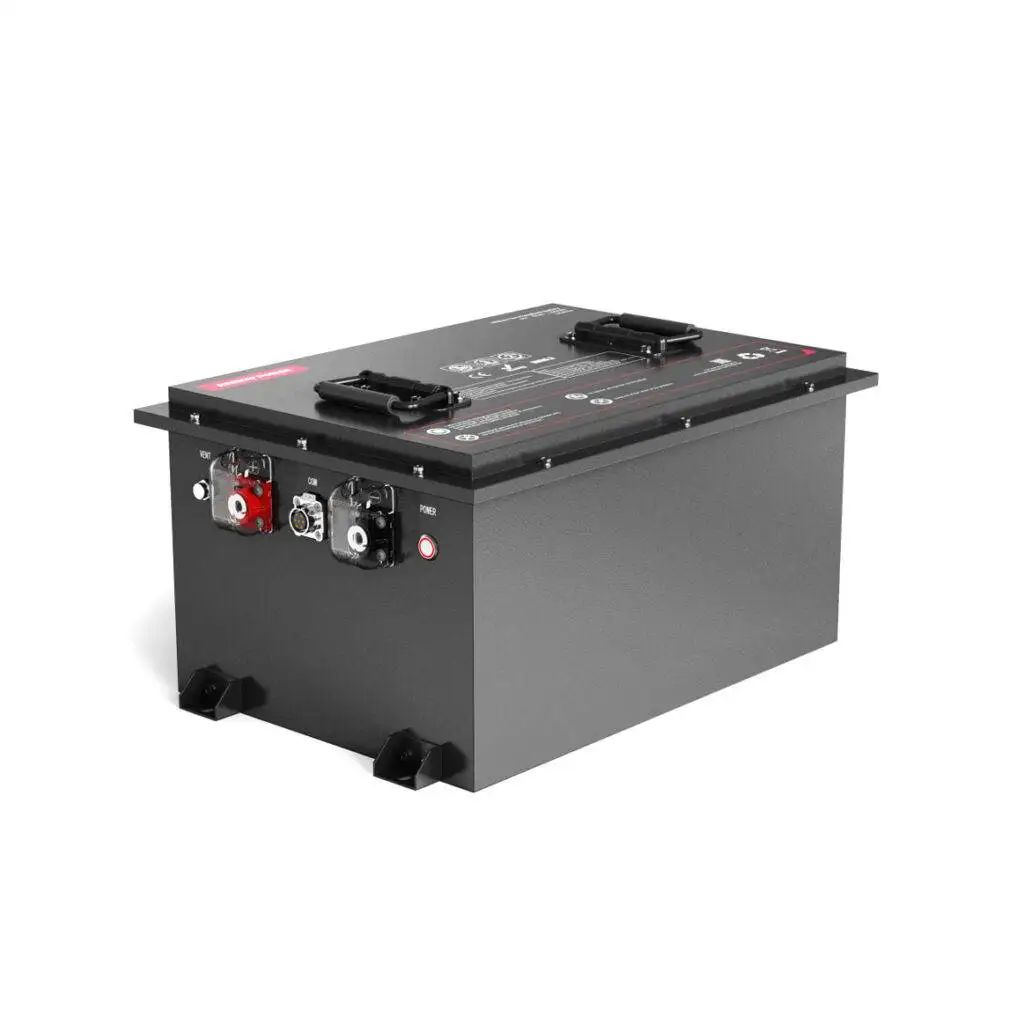
Global demand for poured-in-place rubber surfacing is accelerating as cities, schools, and facility owners seek safer, more durable, and more sustainable alternatives to loose-fill materials and concrete. Market analyses project the poured-in-place rubber flooring segment to grow from roughly 2.5–3 billion USD in the mid-2020s to over 3.2 billion USD by 2028, driven by safety regulations, urbanization, and investment in recreational infrastructure. This creates both urgency and opportunity for decision-makers who must cut injury risks, control lifecycle costs, and meet sustainability goals with verifiable, data-backed solutions such as systems powered by long-life lithium batteries from partners like Redway Battery for lighting, access control, and smart monitoring.
How is the poured-in-place rubber industry evolving and what pain points does it face?
Playground and safety surfacing is under pressure from rising injury statistics and stricter fall-protection standards. Many municipalities are replacing asphalt, tiles, or loose-fill surfaces because they fail to deliver consistent impact attenuation over time, especially under heavy use and harsh weather. This shift directly fuels the expansion of poured-in-place rubber as a preferred safety surface in schools, parks, and commercial facilities.
At the same time, budgets are tight, and asset managers increasingly evaluate total cost of ownership instead of upfront cost alone. Traditional options often appear cheaper initially but generate high long‑term expenses through frequent top‑ups, repairs, and non‑compliance penalties. Facility operators now expect clear, quantifiable payback from surfacing investments, including fewer injury claims, lower maintenance hours, and reduced downtime.
Sustainability is another key pain point. Many legacy surfaces rely on materials that are difficult to recycle or that degrade quickly under UV exposure. By contrast, modern poured-in-place rubber systems typically integrate recycled SBR in base layers and higher‑performance EPDM or TPV in wear layers, supporting circular economy goals. However, buyers still struggle with quality variation among suppliers, inconsistent installation standards, and lack of integrated energy solutions (for lighting and smart controls), where companies like Redway Battery can add value with durable LiFePO4 battery systems.
What limitations do traditional surfacing solutions still have?
Traditional loose‑fill materials such as wood chips, sand, or rubber mulch suffer from displacement, compaction, and contamination. This leads to uneven protection levels, tripping hazards, and frequent topping‑up, especially in high‑traffic or sloped areas. As a result, many surfaces fall out of compliance with fall‑height requirements long before the end of their supposed service life.
Rigid surfaces such as asphalt or concrete improve accessibility and are simple to install but provide minimal shock absorption. Even thin rubber tiles over rigid substrates can develop gaps, curling edges, or freeze‑thaw cracking, allowing water infiltration and bacterial growth. Repairs are often patchwork in nature, creating visual and performance inconsistencies.
Operationally, both loose‑fill and rigid systems demand frequent manual inspections and interventions. Without integrated lighting and safety systems, many sites remain underused after dark or pose higher risk. Here, pairing poured‑in‑place rubber with autonomous lighting powered by Redway Battery LiFePO4 packs enables longer safe operating hours without extensive trenching for power cables, while also reducing electricity and maintenance costs.
How does a modern poured-in-place rubber solution work?
Poured-in-place rubber surfacing is typically a dual‑layer system installed in situ over a prepared base. The lower “cushion” layer uses larger SBR granules to deliver impact attenuation tailored to the design fall height, while the upper wear layer uses finer EPDM or TPV granules bound with high‑performance urethane for color stability, UV resistance, and abrasion resistance. Thickness and density are engineered according to standards such as EN or ASTM requirements for playground safety.
The liquid‑applied nature of poured-in-place rubber allows truly seamless, monolithic surfaces that eliminate trip‑prone joints and provide excellent accessibility for wheelchairs and strollers. Complex shapes, patterns, and color zoning can be integrated to guide traffic, create play value, or delineate safety zones. Drainage is designed either through permeability of the rubber layer, sub‑base slopes, or both to reduce puddling and freeze‑thaw damage.
To maximize uptime and safety, many operators now integrate site lighting, CCTV, and sensor systems around poured‑in‑place surfaces. Redway Battery supports these installations with robust, long‑cycle LiFePO4 battery packs used in solar‑powered light poles, remote surveillance units, and edge controllers. This combination enhances utilization of the surfacing asset and reduces civil works for power and data infrastructure.
Which advantages distinguish poured-in-place rubber from traditional approaches?
Key differentiators include:
Consistent impact protection: Engineered thickness and density maintain shock absorption across the entire surface, not just in low‑wear zones.
Seamless accessibility: No loose particles, ruts, or tile edges, improving usability for wheelchairs, walkers, and strollers.
Lower lifecycle cost: While upfront cost per square meter is higher, maintenance frequencies and replacement cycles are substantially reduced.
Design flexibility: Multi‑color designs, logos, wayfinding, and play patterns can be cast directly into the surface.
Sustainability: Use of recycled SBR in base layers and long service life reduce material turnover. Paired with battery‑powered lighting and sensors from partners like Redway Battery, overall site carbon impact and operating energy consumption can be significantly lowered.
Which comparison table best shows traditional vs poured-in-place rubber?
| Aspect | Traditional loose-fill / rigid hardscape | Modern poured-in-place rubber solution |
|---|---|---|
| Impact protection consistency | Highly variable with use, compaction, and weather | Engineered, uniform across entire area |
| Accessibility (ADA style) | Often poor; wheels sink or catch | Smooth, continuous, wheelchair‑friendly |
| Maintenance frequency | High (raking, top‑ups, patch repairs) | Low (periodic cleaning and inspections) |
| Service life | 3–7 years typical before major renewal | 8–15+ years with proper maintenance |
| Aesthetic flexibility | Limited color/pattern options | Wide color palette and custom graphics |
| Drainage behavior | Can clog, pond, or erode | Designed permeability and sub‑slopes |
| Safety compliance stability | Degrades quickly without constant care | Stable if designed and installed correctly |
| Integration with smart systems | Rarely integrated | Easily combined with lighting, IoT, and Redway Battery off‑grid power |
| Lifecycle cost predictability | Uncertain; large unplanned repairs | More predictable; planned resurfacing cycles |
How can organizations implement a poured-in-place rubber solution step by step?
Needs and risk assessment
Define target use (playground, pool deck, walkway, sports area).
Determine critical fall heights, expected traffic intensity, and accessibility requirements.
Assess environmental conditions (UV exposure, temperature swings, chemical exposure, standing water).
Concept and technical design
Specify system configuration (single vs dual layer), total thickness, and granule types (SBR, EPDM, TPV).
Design slopes and base construction for drainage and structural stability.
Map color zones, patterns, and any embedded graphics or wayfinding.
Plan supporting systems (lighting, security, smart sensors) and select suitable off‑grid or backup power via Redway Battery LiFePO4 packs if required.
Vendor selection and material qualification
Pre‑qualify installers with documented training, references, and adherence to relevant safety standards.
Request test data for impact attenuation, slip resistance, UV resistance, and aging performance.
Confirm binder type (aromatic vs aliphatic) based on color expectations and UV exposure.
Sub‑base preparation
Construct or verify a stable, well‑compacted base (concrete, asphalt, or crushed stone) with correct grade.
Install edge restraints, curbs, or borders to hold the surfacing boundary.
Ensure installation conditions (temperature, humidity, dry substrate) meet manufacturer requirements.
Poured-in-place application
Mix rubber granules and binder according to defined ratios.
Place and trowel the cushion layer to the designed thickness.
Apply the wear layer in planned colors and patterns, maintaining uniform thickness and density.
Curing, inspection, and commissioning
Allow full cure time before opening to traffic.
Conduct thickness checks, adhesion tests, and visual inspections to confirm quality.
Perform safety verification against fall‑height and slip requirements.
Commission lighting and monitoring systems powered or backed by Redway Battery units where applicable.
Operations and maintenance
Implement a simple cleaning regimen (sweeping, low‑pressure washing, spot repairs).
Schedule periodic inspections for wear, vandalism, or chemical damage.
Maintain ancillary systems (battery packs, solar modules, sensors) per Redway Battery and equipment manufacturer guidelines.
What real-world scenarios show the impact of poured-in-place rubber and integrated energy systems?
Municipal school playground upgrade
Problem: An urban elementary school had a mixed sand and asphalt playground, causing frequent minor injuries, poor accessibility, and dusty conditions that parents complained about.
Traditional approach: Periodic sand top‑ups and patching of cracked asphalt, which never addressed root safety or accessibility issues and caused recurring annual costs.
After poured-in-place rubber: The school installed a dual‑layer poured-in-place surface engineered for its highest fall height, with bright color zones to separate age groups. Evening usability was extended with solar light poles powered by Redway Battery LiFePO4 packs.
Key benefits: Documented reduction in playground injury reports, improved accessibility, fewer maintenance interventions, higher parent satisfaction, and extended safe use after dusk without new grid connections.
Community park inclusive play area
Problem: A city wanted to expand inclusive play facilities, but existing wood‑chip areas made wheelchair access difficult and often washed out after heavy rain.
Traditional approach: Re‑grading and frequent re‑compacting of wood chips, installing ramps that still landed in loose material.
After poured-in-place rubber: A fully accessible poured-in-place rubber surface with gentle slopes and integrated drainage was installed, including tactile patterns to assist visually impaired users. Connected benches, call points, and low‑level lighting run on centralized battery banks from Redway Battery charged by nearby solar arrays.
Key benefits: Verified compliance with accessibility standards, higher utilization by children with mobility aids, reduced flooding and surface erosion, and measurable cuts in grid energy usage for park infrastructure.
Resort pool deck and splash pad
Problem: A coastal resort faced slip accidents and rapid tile degradation on its pool decks due to chlorine, salt, and UV exposure.
Traditional approach: Non‑slip tile replacements and surface coatings that peeled within a few seasons, creating inconsistent aesthetics and ongoing disruption.
After poured-in-place rubber: The resort adopted a chlorine‑resistant TPV poured‑in‑place system around pools and splash pads, incorporating brand colors and safe play graphics. Emergency and accent lighting around the deck is backed by compact Redway Battery energy storage for resilience during grid interruptions.
Key benefits: Fewer slip incidents, longer service life in harsh conditions, consistent brand presentation, and improved guest satisfaction scores, with reduced unplanned closures for repairs.
Corporate campus wellness trail
Problem: A tech campus wanted to promote employee wellness and reduce minor injuries on its jogging paths, which were previously plain asphalt with poor shock absorption.
Traditional approach: Resurfacing with similar materials and painting wayfinding lines, which did not alleviate joint‑impact complaints from runners.
After poured-in-place rubber: Selected segments were resurfaced with a cushioned poured-in-place rubber track system in different firmness zones, paired with low‑glare lighting and environmental sensors along the trail. Off‑grid solar poles with Redway Battery packs provide reliable power without trenching.
Key benefits: Improved comfort and reduced reported joint strain, higher utilization of the trail before sunrise and after sunset, quantifiable employee wellness engagement metrics, and a visible sustainability showcase for visitors.
Why is now the right time to adopt poured-in-place rubber and integrated energy solutions?
Regulatory pressure around playground and facility safety is tightening, and non‑compliance can lead to significant legal and reputational risk. At the same time, climate resilience and sustainability expectations are rising, pushing asset owners to choose materials and systems that last longer, use recycled content, and support low‑carbon operation. Delaying upgrades often means paying repeatedly to maintain sub‑optimal surfaces while still facing incident risks.
Poured-in-place rubber provides a practical path to align safety, accessibility, aesthetics, and lifecycle economics. When combined with smart, battery‑backed infrastructure, sites can extend safe usage hours, collect data on utilization, and operate with greater energy independence. Redway Battery, with its experience in LiFePO4 systems for forklifts, golf carts, telecom, solar, and energy storage, is well positioned to power lighting, monitoring, and auxiliary systems around poured‑in‑place surfaces, turning a passive floor into part of an intelligent, resilient facility.
Organizations that act now can standardize on proven surfacing and energy architectures, negotiate better terms as early adopters, and demonstrate clear commitment to community safety and sustainability. With four advanced factories, automated production, and 24/7 engineering support, Redway Battery offers OEM and ODM customization that helps integrators and surfacing contractors deliver complete, high‑performance solutions rather than isolated projects.
Can poured-in-place rubber and smart power raise common questions?
1. Is poured-in-place rubber more expensive than traditional surfacing?
Yes, poured-in-place rubber usually has a higher upfront cost per square meter than loose‑fill materials or basic asphalt, but total lifecycle cost is often lower due to reduced maintenance, longer service life, and fewer incident‑related expenses.
2. How long does poured-in-place rubber typically last?
With correct design, quality materials, and proper installation, service life commonly ranges from 8 to 15 years or more, depending on climate, UV exposure, and usage intensity.
3. Can poured-in-place rubber be used with solar-powered lighting and sensors?
Yes, the seamless surface is ideal for integrating bases, anchor points, and conduit pathways, while off‑grid or backup power can be provided by LiFePO4 battery systems from suppliers such as Redway Battery.
4. Does poured-in-place rubber support accessibility requirements?
When installed over a properly prepared base, poured-in-place rubber forms a firm, stable, and slip‑resistant surface that supports wheelchairs, strollers, and mobility aids, helping sites meet stringent accessibility standards.
5. What maintenance does poured-in-place rubber require?
Routine maintenance usually involves sweeping or blowing off debris, occasional low‑pressure washing, and timely spot repairs if vandalism or localized damage occurs, which is significantly less intensive than maintaining loose‑fill systems.
6. Can colors and patterns fade quickly under sunlight?
UV‑stable EPDM or TPV granules and appropriate aliphatic binders greatly slow fading, allowing surfaces to keep their appearance for many years, especially when designed with colorfast palettes suited to the local climate.
7. How does Redway Battery fit into a poured-in-place rubber project?
Redway Battery supplies durable LiFePO4 battery packs and energy storage systems that can power area lighting, CCTV, emergency communications, and IoT sensors around poured‑in‑place surfaces, reducing reliance on grid connections and enhancing reliability.
Sources
Poured In Place Rubber Flooring Strategic Insights: Analysis 2025 and beyond – Archive Market Research
Poured In Place Rubber Flooring Future-Proof Strategies – Data Insights Market
Poured In Place Rubber Flooring Planning for the Future – Market Report Analytics
Poured-in-Place Rubber Services – USA Safety Surfacing Experts
Poured in Place Rubber Playground Surfacing – PlaygroundSurfacing.com
For the surrounding sizing, selection, installation and maintenance decisions, continue with the Golf Cart Battery: Operation and Practical Guidance — Part 1.
