




REDWAY BATTERY / KNOWLEDGE
How Can Used Commercial Playgrounds Help Communities Save Costs and Promote Sustainability?
In today’s tightening municipal budgets and environmental awareness era, sourcing used commercial playgrounds is becoming a strategic solution for cities, schools, and developers looking to balance safety, quality, and sustainability. Choosing the right equipment and energy systems can dramatically reduce operational costs while supporting greener community spaces.
How Are Current Market Conditions Driving Demand for Used Playgrounds?
According to the International Play Equipment Manufacturers Association (IPEMA), the global playground equipment market exceeded USD 9.5 billion in 2024, growing around 8% annually. However, with rising steel and resin costs—up nearly 15% since 2022—many local governments and schools are finding new equipment increasingly unaffordable. The U.S. Environmental Protection Agency also reports that over 12 million tons of recyclable metals from playground-grade materials end up in landfills annually. This waste signals both an ecological and financial inefficiency.
Municipalities now face a dual challenge: how to upgrade play areas affordably while meeting sustainability goals. Used commercial playgrounds provide a viable path forward, offering professional-grade structures at a fraction of the cost and significantly reducing environmental impact.
What Pain Points Exist in the Current Playground Equipment Industry?
Budget constraints: Public parks and schools often lack the funds to purchase new certified playgrounds, forcing them to downscale designs or postpone projects.
Sustainability pressure: Urban planning departments are under increasing scrutiny to demonstrate eco-responsible choices, including waste reduction and lifecycle management of materials.
Energy inefficiency: Many playgrounds rely on outdated electrical systems—lighting, charging, or surveillance—that draw unnecessary energy from the grid.
By incorporating companies like Redway Battery, which provides advanced lithium battery systems, playgrounds can integrate off-grid energy storage to operate LED lighting, security cameras, or even small solar-powered features sustainably.
Why Are Traditional Playground Procurement Methods No Longer Enough?
Traditional procurement relies on purchasing brand-new, factory-built playground sets—costing between USD 60,000 and 200,000 depending on size and materials. Lead times can exceed 12 weeks, and additional transport and installation costs increase total expenditure. The rapid depreciation of these assets also limits long-term value.
In contrast, certified used commercial playgrounds undergo professional inspection, refurbishment, and certification according to ASTM and IPEMA safety standards. These solutions deliver comparable safety and aesthetics at up to 50–70% savings.
What Solutions Does Redway Battery Bring to Modern Playground Projects?
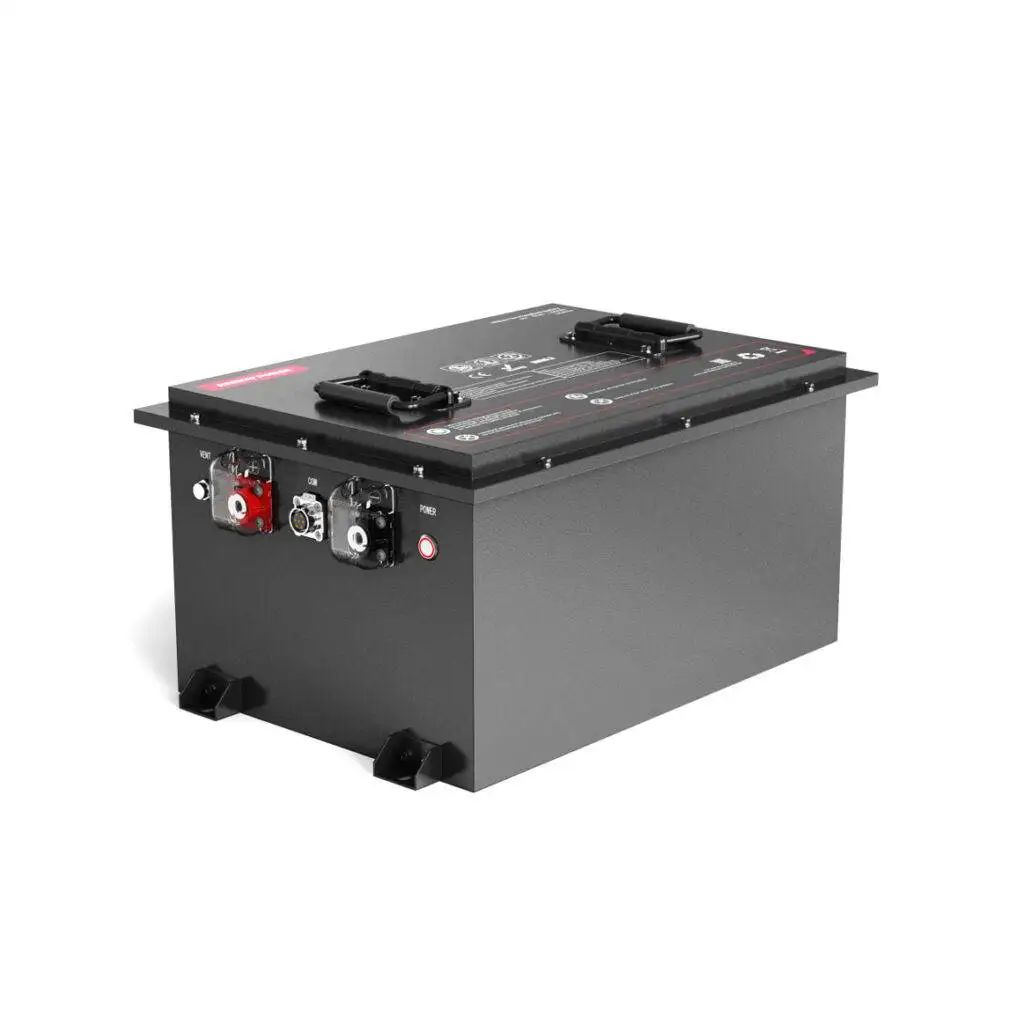
Redway Battery enhances the lifecycle value of used playgrounds through modular power systems that supply efficient, renewable energy to playground features. Their LiFePO4 battery systems enable solar and hybrid power integration for lighting, safety sensors, and electric charging points within parks. Such energy independence not only supports sustainability goals but also reduces utility costs.
Redway Battery’s OEM customization allows seamless integration into a variety of setups—from schoolyards to large community parks—ensuring durability, low maintenance, and safety compliance.
Which Advantages Do Used Playground Solutions Offer Compared to Traditional Procurement?
| Feature | Traditional New Playground | Certified Used Playground + Redway Battery |
|---|---|---|
| Cost per installation | $80,000–$200,000 | $25,000–$70,000 |
| Lead time | 8–12 weeks | 2–4 weeks |
| Energy efficiency | Dependent on grid | Solar + LiFePO4 storage |
| Sustainability score | Medium | High (reuse + renewable integration) |
| Life expectancy | 8–12 years | 8–10 years after refurbishment |
| Maintenance cost | High | Lower through modular replacement |
This topic belongs to the wider Golf Cart Battery: Charging and Charger Matching, which brings the related decisions and practical checks together.
How Can Organizations Implement This Solution Step-by-Step?
Assessment: Evaluate playground site, desired design, and power requirements.
Sourcing: Select certified used equipment from trusted suppliers to ensure compliance with ASTM standards.
Refurbishment: Refurbish and repaint structures, replace worn elements, and test for safety.
Energy Integration: Install Redway Battery LiFePO4 systems connected to solar panels or low-voltage lighting networks.
Deployment: Conduct safety checks, install signage, and launch public opening events promoting sustainable recreation.
Who Benefits Most from Using This Approach?
Case 1 – City Park Renewal
Problem: Budget cuts prevented new installations.
Traditional Approach: Purchase of two small new units within limited budget.
Solution: Acquired used equipment and paired with Redway Battery solar lighting.
Results: Saved 63% overall costs; achieved net-zero energy use.
Case 2 – School Playground Upgrade
Problem: Aged structures posed safety risks.
Traditional Approach: Full replacement costing $150,000.
Solution: Refurbishment plus Redway Battery backup power for surveillance systems.
Results: Improved safety visibility; cost dropped to $58,000 total.
Case 3 – Indoor Play Center
Problem: High electricity bills for lighting and small robotics play zone.
Traditional Approach: Grid-dependent lighting and charging.
Solution: Redway Battery’s modular power packs integrated with used equipment.
Results: Energy costs reduced by 40%, achieving ROI in 18 months.
Case 4 – Rural Community Park
Problem: No access to reliable electricity.
Traditional Approach: Diesel generator backup.
Solution: Solar system + Redway Battery LiFePO4 energy storage.
Results: 100% renewable power supply, eliminating noise and emissions.
What Is the Future of the Used Playground Market?
Sustainability mandates and circular economy initiatives will likely double the used playground market size by 2028. Combined with renewable power integration, refurbished playgrounds can become self-sustaining community hubs. Redway Battery, with its proven OEM lithium technology and global supply network, will continue playing a pivotal role by providing advanced battery systems that align with these green transitions. Investing in refurbished energy-integrated playgrounds now not only saves money but also future-proofs public infrastructure against regulatory and energy challenges.
FAQ
1. Can used commercial playgrounds meet modern safety standards?
Yes. Certified suppliers test and refurbish every component to meet ASTM and IPEMA requirements.
2. How long do refurbished playgrounds last?
Typically 8–10 years, depending on materials and local weather conditions.
3. Does Redway Battery provide installation support?
Yes. Redway Battery partners with OEM installers to integrate customized battery systems globally.
4. Are LiFePO4 batteries safe for outdoor public environments?
Absolutely. LiFePO4 chemistry offers stable thermal performance and high safety margins compared to other lithium types.
5. Could playground energy systems work off-grid?
Yes. Paired with Redway Battery storage, solar panels can power lighting and small features without grid dependency.
6. When is the best time to upgrade existing playgrounds?
When maintenance costs exceed 25% of replacement value or when safety inspections demand immediate compliance.
7. How much can energy-efficient systems save annually?
Up to 40% of total energy expenditures, depending on usage patterns and climate.
Sources
International Play Equipment Manufacturers Association (IPEMA): https://www.ipema.org
U.S. Environmental Protection Agency (EPA): https://www.epa.gov
National Recreation and Park Association (NRPA): https://www.nrpa.org
Redway Battery official site: https://www.redwaybattery.com
