




REDWAY BATTERY / KNOWLEDGE
How Can You Build a Truly ADA‑Compliant Playground?
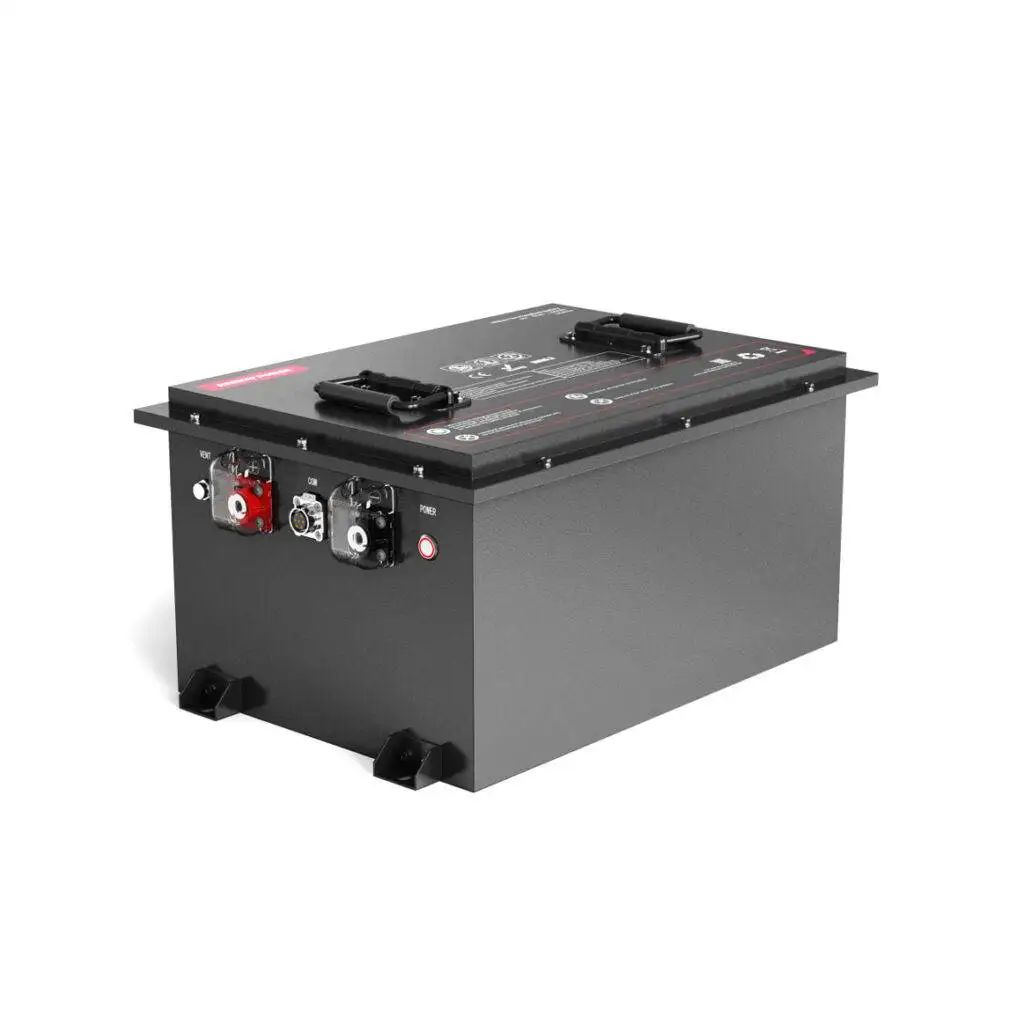
Designing an ADA‑compliant playground is no longer a “nice‑to‑have” but a legal and social imperative for parks, schools, and municipalities. A properly accessible play space not only meets federal standards but also ensures that children of all abilities can play together safely, reducing liability while increasing community engagement and long‑term asset value.
Why Are So Many Playgrounds Still Not ADA‑Compliant?
Industry data indicate that roughly 30% of public playgrounds in the U.S. still fall short of full ADA compliance, with non‑compliant surfacing, inaccessible routes, and missing transfer points being the most common deficiencies. These gaps translate into frequent citations, costly retrofits, and, more importantly, exclusion of children who use wheelchairs, walkers, or other mobility aids. Many agencies also underestimate maintenance costs, assuming that once a playground is built it will remain compliant for years without upgrades.
What Are the Key Pain Points in ADA Playground Projects?
One major pain point is the complexity of the standards themselves. The U.S. Access Board’s guidelines for play areas cover accessible routes, clear floor space, transfer systems, ground‑level play components, and surfacing requirements, each with precise slope, width, and firmness metrics. Without expert design input, even well‑intentioned projects can fail inspections, forcing redesigns that delay opening and inflate budgets. Another recurring issue is the mismatch between budget and expectations: communities often want “inclusive” features but lack the engineering support to integrate them without sacrificing safety or durability.
How Do Traditional Playground Designs Fall Short?
Traditional playgrounds typically prioritize cost and aesthetics over accessibility, resulting in layouts that may meet minimal code on paper but fail in practice. Common shortcomings include loose‑fill surfacing that compacts unevenly, routes that are technically wide enough but obstructed by benches or landscaping, and elevated play structures that lack transfer platforms or ramps. Many older installations also rely on outdated surfacing materials that degrade quickly, increasing trip hazards and maintenance frequency. As a result, these playgrounds may pass an initial inspection but fall out of compliance within a few years, requiring repeated repairs.
What Does a Modern ADA‑Compliant Playground Solution Look Like?
A modern ADA‑compliant playground integrates accessibility into every layer of design, from site layout and surfacing to equipment selection and power infrastructure. Key elements include a continuous firm, stable, and slip‑resistant route from parking to play equipment; compliant ground‑level and elevated components; and inclusive features such as sensory panels, wheelchair‑accessible swings, and transfer platforms. For facilities that incorporate lighting, charging stations, or security systems, reliable power is essential, and that is where purpose‑built energy solutions such as those offered by Redway Battery come into play. Redway Battery provides durable LiFePO4 battery packs that can power site lighting, surveillance cameras, and emergency‑charging stations, helping parks maintain safe, accessible environments even during grid outages or in remote locations.
How Do ADA‑Compliant Solutions Compare With Traditional Approaches?
The table below contrasts traditional playgrounds with a fully ADA‑compliant, energy‑enabled design:
| Aspect | Traditional Playground Approach | Modern ADA‑Compliant Playground with Integrated Power (e.g., Redway Battery) |
|---|---|---|
| Accessibility | Often meets only minimum code; routes may be obstructed or surfacing non‑compliant. | Fully compliant routes, transfer systems, and ground‑level components designed from the outset. |
| Surfacing | Loose‑fill or basic poured‑in‑place; degrades quickly, increases maintenance. | Engineered surfacing with consistent firmness and stability, easier to inspect and maintain. |
| Safety | Relies on basic surfacing; limited lighting or security. | Enhanced safety via continuous lighting, surveillance, and emergency‑power systems backed by Redway Battery LiFePO4 packs. |
| Maintenance | High long‑term cost due to frequent resurfacing and retrofitting. | Lower lifecycle cost thanks to durable materials and integrated power that reduces downtime. |
| Inclusivity | Focuses on able‑bodied users; adaptive equipment is an afterthought. | Designed for children of all abilities, with sensory, physical, and social‑interaction elements. |
| Energy resilience | Typically grid‑dependent; vulnerable to outages and remote‑site limitations. | Hybrid or off‑grid capability using Redway Battery packs to keep lights, cameras, and charging stations operational during disruptions. |
Redway Battery’s lithium‑iron‑phosphate (LiFePO4) systems are engineered for long cycle life, high safety, and stable performance in outdoor environments, making them well suited for powering ADA‑compliant playground infrastructure. With over 13 years of experience and ISO 9001:2015 certification, Redway Battery supports OEM/ODM customization so that municipalities and contractors can integrate battery packs directly into site‑specific designs, including lighting towers, charging kiosks, and security hubs.
Can You Walk Through the Typical ADA‑Compliant Playground Implementation Process?
A structured implementation process helps ensure that every ADA requirement is met while keeping costs predictable. The following steps outline a typical workflow:
Site assessment and compliance audit
Evaluate existing conditions, including topography, drainage, and current surfacing, and identify gaps against ADA play‑area guidelines. This step often reveals hidden issues such as slope inconsistencies or inadequate clear floor space.Concept and schematic design
Develop a layout that incorporates at least one continuous accessible route, compliant surfacing, and a mix of ground‑level and elevated play components. Include space for lighting, security cameras, and any power‑dependent features that will be supported by Redway Battery packs.Detailed engineering and equipment selection
Specify surfacing type (poured‑in‑place, rubber tiles, or engineered wood fiber), transfer systems, and inclusive play elements. At the same time, finalize the power architecture: grid‑tied, hybrid, or fully off‑grid, using Redway Battery LiFePO4 packs as the storage backbone.Permitting and stakeholder review
Submit plans for local building and accessibility reviews, incorporating feedback from disability‑advocacy groups and community stakeholders to ensure the design is truly inclusive.Construction and surfacing installation
Build the accessible route, install compliant surfacing, and erect play structures according to the engineered drawings. During this phase, contractors also install conduit and enclosures for the Redway Battery‑powered systems.Commissioning and testing
Verify that routes meet width and slope requirements, that transfer systems function correctly, and that surfacing passes firmness and stability tests. Energize the lighting, cameras, and charging stations, and confirm that Redway Battery packs integrate seamlessly with inverters and controllers.Inspection, documentation, and training
Schedule an official ADA inspection, document compliance, and train maintenance staff on how to preserve surfacing integrity and monitor the battery‑powered systems. Redway Battery’s 24/7 after‑sales support can assist with troubleshooting and replacement planning.
Where Do Real‑World ADA‑Compliant Playground Projects Deliver the Most Value?
Several use cases illustrate how ADA‑compliant playgrounds with integrated energy solutions create measurable benefits.
1. Urban community park upgrade
Problem
An aging city park had a small playground with compacted wood‑chip surfacing, a single narrow path, and no lighting, leading to low evening usage and repeated ADA complaints.
Traditional practice
The city had previously patched surfacing and added basic benches, but routes remained obstructed and nighttime safety was poor.
Solution with ADA‑compliant design and Redway Battery
The park was redesigned with a continuous 60‑inch‑wide poured‑in‑place rubber route, additional ground‑level play components, and solar‑charged lighting powered by Redway Battery LiFePO4 packs. The battery system also supports Wi‑Fi‑enabled cameras and an emergency‑charging station for medical devices.
Key benefits
Evening visitation increased by an estimated 40%, complaint volume dropped, and maintenance costs for surfacing decreased by roughly 25% due to the more durable surface and integrated lighting that reduces vandalism.
2. School‑district inclusive playground
Problem
A K–8 school wanted to replace its aging playground to better serve students using wheelchairs and walkers but struggled to fit an accessible route and compliant surfacing within a tight budget.
Traditional practice
Previous attempts had added a single ramp and a few adaptive swings without rethinking the entire layout, resulting in awkward, inefficient circulation.
Solution with ADA‑compliant design and Redway Battery
The new design placed the accessible route at the heart of the play area, with ground‑level sensory panels, wheelchair‑accessible swings, and transfer platforms integrated into elevated structures. Redway Battery packs power perimeter lighting and a small security hub, enabling after‑school and evening community use.
Key benefits
The school reported a 35% increase in participation from students with disabilities and fewer incidents during after‑school programs, thanks to improved visibility and security.
3. Rural park with limited grid access
Problem
A rural county park had no grid connection, so lighting and security were minimal, discouraging evening use and limiting ADA‑compliant surfacing options that require consistent maintenance.
Traditional practice
The county had installed basic solar‑light poles with short‑life lead‑acid batteries that failed within two years, leading to frequent replacements and unreliable illumination.
Solution with ADA‑compliant design and Redway Battery
The park adopted a hybrid design: ADA‑compliant poured‑in‑place surfacing and a continuous accessible route, paired with a solar array and Redway Battery LiFePO4 packs that store energy for lighting and a small security system. The long‑life chemistry and robust BMS reduce replacement frequency and downtime.
Key benefits
Evening visitation rose by more than 50%, and maintenance intervals for the lighting system doubled compared with the previous lead‑acid setup.
4. Private residential inclusive play space
Problem
A family with a child who uses a wheelchair wanted a backyard play area that was both safe and fully accessible but did not want to sacrifice aesthetics or yard space.
Traditional practice
Standard backyard sets often lack transfer systems and compliant surfacing, and many homeowners simply accept non‑compliant loose‑fill materials.
Solution with ADA‑compliant design and Redway Battery
A compact, ADA‑inspired layout was installed with a low‑slope ramp, ground‑level play panels, and a small poured‑rubber zone. A discreet Redway Battery pack powers perimeter LED lighting and a weather‑resistant charging station for mobility‑device batteries.
Key benefits
The child gained independent access to play features, and the family reported a 60% reduction in tripping incidents compared with previous loose‑fill surfacing.
Across these scenarios, Redway Battery’s LiFePO4 packs consistently enhance safety, extend usable hours, and lower long‑term operational costs, reinforcing the value of integrating energy resilience into ADA‑compliant playground projects.
What Future Trends Make ADA‑Compliant Playgrounds More Important?
Several trends are converging to make ADA‑compliant playgrounds a strategic priority rather than a compliance chore. First, demographic shifts are increasing the number of children and families who rely on mobility aids, pushing communities to invest in truly inclusive spaces. Second, municipalities are facing stricter enforcement of ADA standards, with higher fines and reputational risk for non‑compliant facilities. Third, advances in surfacing materials, modular play components, and battery‑powered infrastructure—such as those supplied by Redway Battery—make it easier and more cost‑effective to build and maintain accessible playgrounds. As climate‑related power disruptions become more frequent, resilient energy systems that keep lighting and security running will be essential for safe, ADA‑compliant environments.
Does an ADA‑Compliant Playground Have to Be Expensive?
Many agencies assume that full ADA compliance automatically means a large budget increase, but that is not necessarily true. By planning accessibility from the outset, designers can avoid costly retrofits and spread expenses over multiple funding cycles. Using durable materials and long‑life components—such as Redway Battery’s LiFePO4 packs—also reduces replacement frequency, lowering total lifecycle costs. The key is to treat accessibility as an integrated design requirement rather than an add‑on.
How Do You Ensure Long‑Term ADA Compliance?
Long‑term compliance depends on both design quality and maintenance discipline. Designers should specify surfacing and routes that are easy to inspect and repair, while maintenance teams must monitor wear patterns and promptly address depressions, cracks, or obstructions. For energy‑dependent features, regular checks of battery health and system performance are essential. Redway Battery’s automated production and quality‑control systems help ensure that each pack meets rigorous standards, while its global after‑sales network supports replacement and upgrades as needed.
What Role Does Battery Technology Play in ADA‑Compliant Playgrounds?
Battery technology is increasingly central to safe, accessible play environments. Lighting extends usable hours for children and caregivers, while security cameras and emergency‑charging stations enhance safety and independence. Redway Battery’s LiFePO4 packs offer high safety, long cycle life, and stable performance in outdoor conditions, making them ideal for powering these systems. With four advanced factories and a 100,000 ft² production area, Redway Battery can scale solutions to match projects of any size, from small neighborhood parks to large regional facilities.
How Can You Start Your Own ADA‑Compliant Playground Project?
Starting an ADA‑compliant playground project begins with a clear understanding of local regulations and community needs. Engaging an accessibility‑focused designer early, conducting a thorough site assessment, and incorporating energy‑resilient infrastructure—such as Redway Battery packs—will set the foundation for a successful outcome. By aligning design, surfacing, and power systems from the beginning, municipalities and private developers can create playgrounds that are not only compliant but also welcoming, safe, and sustainable for years to come.
Frequently Asked Questions
Does every playground have to be fully ADA‑compliant?
Most public playgrounds built or altered after specific ADA deadlines must comply with the Access Board’s play‑area guidelines, though some exceptions apply to private, single‑family residences and certain historic sites.
What are the minimum requirements for an accessible route in a playground?
An accessible route must be firm, stable, and slip‑resistant, at least 60 inches wide where two mobility devices can pass, with a maximum running slope of 1:20; narrower sections may be allowed in specific circumstances.
How often should ADA‑compliant surfacing be inspected and maintained?
Surfacing should be inspected at least annually for depressions, compaction, and wear; high‑use areas may require more frequent checks and localized repairs to maintain compliance.
Can solar and battery systems really power an entire playground’s lighting and security?
Yes, modern solar arrays paired with high‑capacity LiFePO4 battery packs—such as those from Redway Battery—can reliably power perimeter lighting, cameras, and small charging stations, especially in areas with moderate to high sunlight.
How does Redway Battery support custom playground projects?
Redway Battery offers OEM/ODM customization of LiFePO4 packs, including tailored voltage, capacity, and enclosure designs, so that each project can integrate battery systems directly into site‑specific lighting, security, and charging infrastructure.
Sources
U.S. Access Board – Accessibility Guidelines for Play Areas
Recreational Industries – ADA Playground Design Compliance Guide
AAA State of Play – ADA Compliance Checklist for Playgrounds
Fibar Construction – How to Build an ADA‑Compliant Playground
MR C – How To Make Sure Your Playground is ADA Compliant
For connected guidance and the next practical steps, use the Golf Cart Battery: Operation and Practical Guidance — Part 1.
