




REDWAY BATTERY / KNOWLEDGE
How Do Hydrogen Fuel Cell Lift Trucks Make Sense?
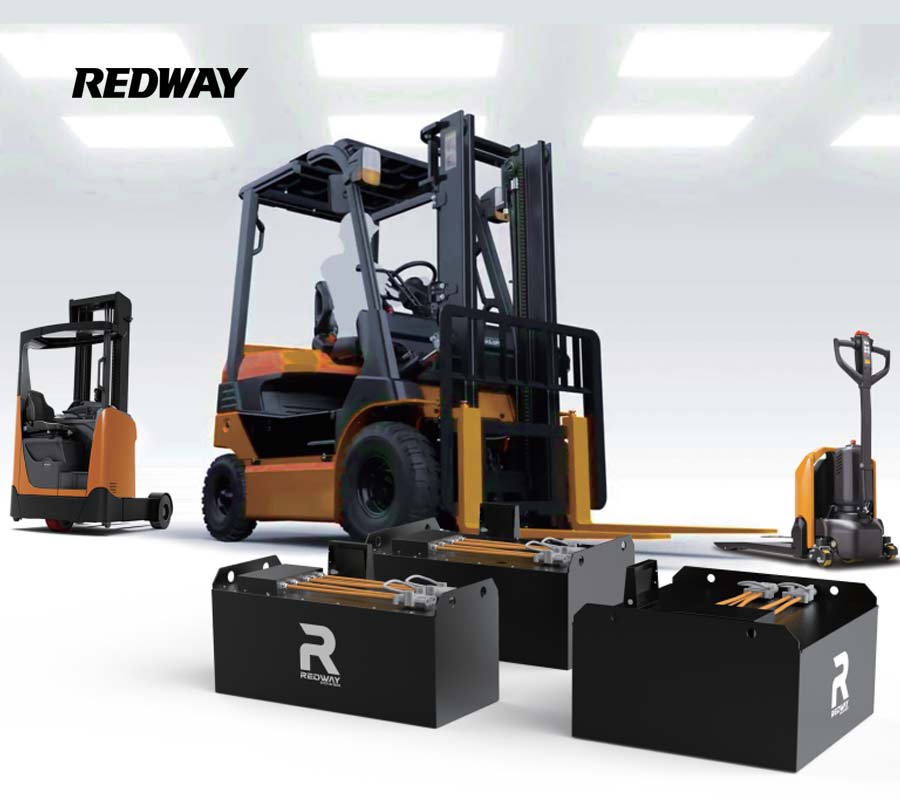
Hydrogen fuel cell lift trucks generate electricity through H2-O2 electrochemical reactions, emitting only water vapor. They combine the rapid refueling of propane with the zero-emission benefits of lithium-ion, ideal for high-throughput warehouses needing 24/7 uptime. Unlike batteries, fuel cells avoid capacity fade and perform consistently in cold environments. A 30kW system refuels in 3–5 minutes, providing 8–12 hours of runtime.
48V 600Ah Lithium Forklift Battery
How do hydrogen fuel cells power lift trucks?
Hydrogen fuel cells convert stored hydrogen gas and oxygen into electricity via proton exchange membranes (PEM). Unlike batteries, there’s no slow charging—refueling mimics propane tank swaps. A 24-ton lift truck with a 40L hydrogen tank operates 10+ hours. Pro Tip: Pair fuel cells with a small buffer battery to handle sudden load spikes without H2 overconsumption.
A Toyota 8FCR lift truck using a 30kW fuel cell generates 120V DC, enough for 8,000 lb lifts. Transitionally, PEM efficiency (50–60%) beats combustion engines (20–30%). But what keeps these systems practical? Refueling infrastructure. For example, Amazon’s Nevada warehouse uses on-site electrolyzers to produce hydrogen, slashing downtime. However, without proper humidity control, PEM membranes degrade. Always install desiccant dryers in storage areas.
| Metric | Hydrogen Fuel Cell | Lithium-Ion |
|---|---|---|
| Refuel/Recharge | 3 minutes | 2–4 hours |
| Runtime @ 5t Load | 10–12 hrs | 6–8 hrs |
| Energy Density | 800 Wh/kg | 150–200 Wh/kg |
What’s the cost-benefit versus electric or propane?
Hydrogen systems have higher upfront costs ($50k–$100k per truck) but lower lifecycle expenses in heavy-use scenarios. Electricity for H2 production (if renewables power electrolysis) cuts energy costs by 30–50% vs. diesel. Pro Tip: Utilize state/federal green energy grants—California’s HB 1183 covers 40% of H2 infrastructure costs.
Where hydrogen shines is in multi-shift operations. Unlike lithium-ion trucks needing 2-hour charges, fuel cells enable continuous use. Consider that a Coca-Cola bottling plant reduced its fleet from 12 battery-powered trucks to 8 hydrogen units, cutting energy costs by $18k/month. However, transitional infrastructure remains a hurdle. Warehouses need vapor-tight H2 storage rooms with 1-hour fire ratings—a regulatory must.
| Cost Factor | Hydrogen | Lithium-Ion |
|---|---|---|
| Initial Investment | $75,000 | $35,000 |
| 5-Year Maintenance | $12,000 | $22,000 |
| Energy Cost/Hour | $1.10 | $0.85 |
How does infrastructure impact adoption?
On-site electrolysis plants or delivered hydrogen dictate feasibility. Small fleets (<10 trucks) rely on tube trailers, while large operations invest in electrolyzers ($1M–$3M). Transitionally, hydrogen’s low volumetric energy density (0.0108 MJ/L at 700 bar) demands 4x more storage space than diesel. Pro Tip: Modular hydrogen dispensers allow scalable throughput adjustments without redesigning entire systems.
For instance, Walmart’s Alberta DC uses two 1MW electrolyzers, producing 200 kg H2/day. But what happens during grid outages? Backup liquid H2 tanks maintain operations. Keep electrolyzers at 70–80°C for optimal efficiency. Also, positioning fueling stations within 100m of operations minimizes pressure drop in supply lines. Remember: Hydrogen embrittlement risks require ISO 14687-2 purity standards (99.97% H2) to protect PEM integrity.
Are fuel cells efficient in cold storage?
Hydrogen fuel cells outperform lithium-ion in sub-zero temperatures. Unlike batteries losing 30–50% capacity at -20°C, PEM systems self-heat using waste H2. Pro Tip: Insulate hydrogen storage tanks to maintain 15–25°C, preventing pressure drops during expansion/contraction cycles.
In freezer warehouses (-30°C), lithium-ion trucks need frequent battery swaps—hydrogen units operate uninterrupted. Sysco’s Chicago facility reported a 22% productivity boost after switching to H2 fleets. However, transitional challenges exist: ice buildup on H2 dispensers requires heated nozzles. Always use frost-resistant valves (e.g., Parker Hannifin’s XF series) in cold environments.
What maintenance advantages do they offer?
Fuel cells eliminate battery capacity degradation and acid disposal. Maintenance focuses on air filters and humidifiers—no cell balancing or SOC management. Pro Tip: Replace PEM membranes every 12,000 hours (≈5 years) to maintain peak efficiency.
Transitionally, Ballard’s ClearGen II modules self-diagnose via CAN bus, alerting technicians to issues like cathode flooding. For example, DHL’s Rotterdam hub cut maintenance costs by 60% versus their old lead-acid fleet. Yet neglecting humidifier servicing causes membrane dry-out—schedule bi-annual inspections. Remember: Hydrogen sensors must calibrate quarterly to detect 1% leaks (NFPA 2 compliance).
How safe are hydrogen-powered lift trucks?
With proper protocols, hydrogen risks match gasoline. Leak detection sensors and flame arrestors mitigate hazards. Pro Tip: Install hydrogen vents at ceiling level—H2 rises 14x faster than air, reducing explosion risks.
Transitionally, composite tanks (Type IV) withstand 2.25x service pressure (700 bar), tested per UN GTR 13. Toyota’s fuel cell forklifts feature automatic shutoffs if tilt >10°. But what if a leak occurs? Ventilation rates must exceed 1 ft³/min per square foot (OSHA 29 CFR 1910.106). For example, Home Depot’s hydrogen fleet uses roof-mounted louvers and 12 ACH ventilation. Always store H2 cylinders in locked, well-ventilated cages away from ignition sources.
Redway Battery Expert Insight
FAQs
Yes—local fire codes often mandate H2 storage permits, leak detection systems, and employee training per NFPA 2 standards.
Can hydrogen and lithium-ion be combined?
Yes—hybrid systems use fuel cells for base load and batteries for peak demands, optimizing energy use.
What’s the lifespan of a fuel cell?
15,000–20,000 hours with proper maintenance, double that of lead-acid batteries in heavy cycles.
This topic belongs to the wider Forklift Battery: Technology and System Fundamentals — Part 1, which brings the related decisions and practical checks together.
