




REDWAY BATTERY / KNOWLEDGE
How Do I Fix 36V Forklift Battery Or Charger Issues?
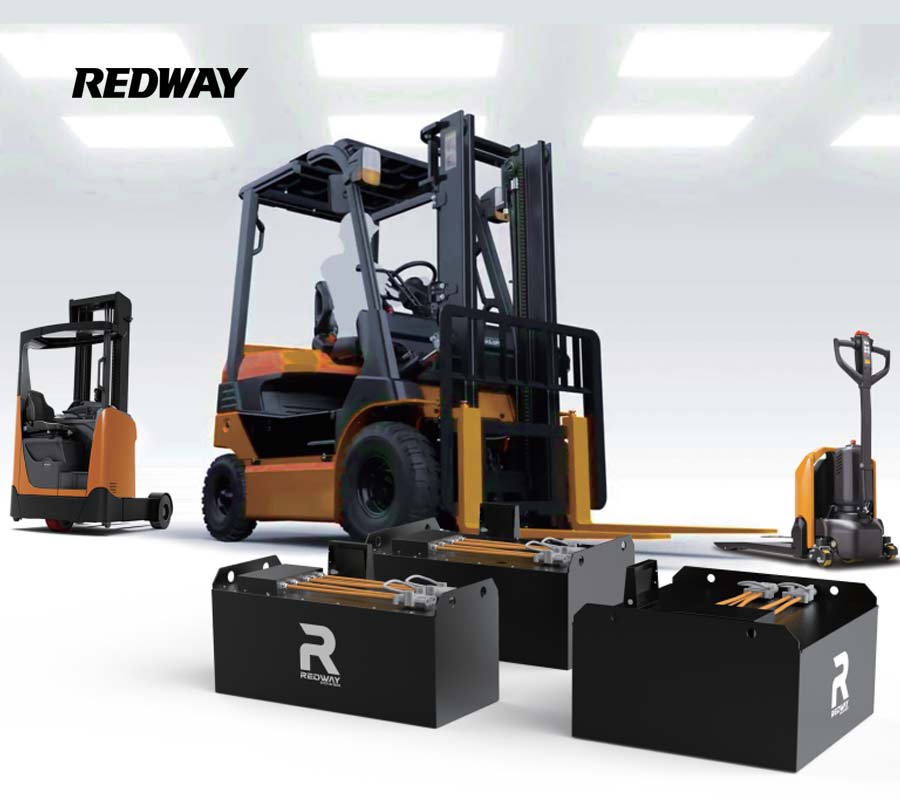
Diagnosing and resolving 36V forklift battery or charger issues requires systematic troubleshooting of electrical components, safety protocols, and performance testing. Common problems include charging failure, voltage drops, or battery degradation, often tied to capacitor faults, loose connections, or aging cells. Immediate steps involve voltage verification, contact cleaning, and thermal inspection, while complex repairs may require capacitor replacement or BMS recalibration.
How do I troubleshoot a 36V forklift charger not activating?
Charger activation failures often stem from blown fuses, damaged capacitors, or faulty relays. Verify 220V input voltage, then inspect the 300V main capacitor and bridge rectifier using a multimeter.
Pro Tip: Always discharge capacitors through a 10kΩ resistor before testing—stored energy exceeding 50V poses lethal risks. For example, a faulty starting resistor (typically 2-5W ceramic type) can break continuity, preventing the charger from initiating its CC-CV cycle. Start by measuring the resistor’s ohm value; deviations beyond ±20% require replacement. Transitioning to component-level repairs, check for swollen capacitors—a bulging top indicates electrolyte evaporation, reducing capacitance by 30-50%. Beyond electrical checks, ensure cooling fans operate freely; thermal shutdowns trigger at 85°C in most industrial chargers.
| Fault | Diagnostic Tool | Acceptable Range |
|---|---|---|
| Capacitor ESR | LCR Meter | <0.5Ω @ 100kHz |
| Bridge Rectifier | Diode Mode | 0.3-0.7V Forward Bias |
Why does my 36V battery stop charging at partial capacity?
Partial charging typically indicates cell imbalance or BMS protection triggers. Measure individual cell voltages—LiFePO4 cells should maintain 3.2-3.65V during charging.
Practically speaking, a 5% voltage variance between cells forces the BMS to interrupt charging. For instance, if one cell group reaches 3.8V while others sit at 3.5V, the battery management system halts the process to prevent overvoltage damage. Beyond electrical factors, check ambient temperatures—charging below 0°C causes lithium plating, while above 45°C accelerates degradation. Transitioning to maintenance solutions, balance charging with a 36V Li-ion balancer (1A current) for 12-24 hours often restores full capacity. But what if imbalance persists? Replace cells showing >30mV deviation under load, using spot-welded nickel strips for low-resistance connections.
Redway Battery Expert Insight
FAQs
No—automotive chargers operate at 12/24V with uncontrolled current, risking BMS lockouts and terminal melting. Use only UL-certified 36V industrial chargers.
How often should I water 36V lead-acid batteries?
Check electrolyte levels weekly, maintaining plates 6-8mm below liquid surface. Deionized water top-ups prevent sulfation—never refill with acid.
For the surrounding sizing, selection, installation and maintenance decisions, continue with the Buying Forklift Batteries: Channels, Used Stock and Repair.
