




REDWAY BATTERY / KNOWLEDGE
How Do I Replace A Trojan Battery?
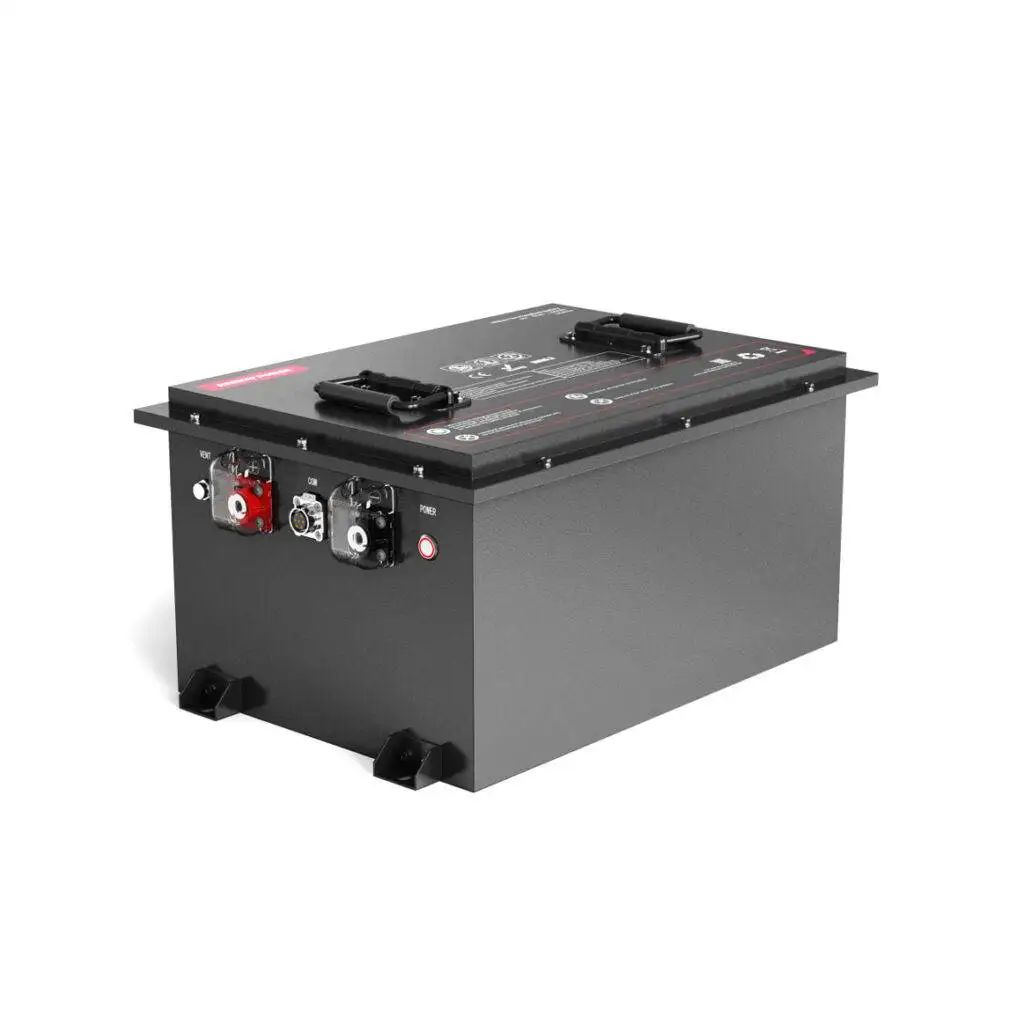
Replacing Trojan batteries requires attention to safety protocols and manufacturer specifications. Begin by disconnecting terminals in reverse order (negative first), removing mounting hardware, and lifting the battery with proper equipment. Always install matching voltage/capacity replacements, secure connections with torque wrenches (8-10 Nm for most models), and recycle old lead-acid units through certified facilities. For golf cart applications, balancing all batteries in the pack ensures optimal performance.
What Are the Best 8 Volt Golf Cart Batteries at Sam’s Club?
What tools are essential for Trojan battery replacement?
Insulated wrenches and anti-corrosion spray are critical. Wear PPE (gloves/goggles) and use battery lifting straps for heavy 30-60lb units. Pro Tip: Apply dielectric grease to terminals after cleaning to prevent future oxidation.
Replacing Trojan batteries demands more than basic tools—industrial applications require 9/16″ terminal wrenches and post cleaners. Forklift installations often need torque wrenches calibrated to 10-12 ft-lbs for terminal nuts. Beyond physical tools, voltage testers verify proper system shutdown (≤2V residual) before disassembly. For example, Trojan T-105s weigh 62lbs—mechanical assists prevent workplace injuries. Always neutralize acid spills with baking soda immediately.
How do I safely disconnect Trojan battery terminals?
Follow the negative-first sequence using insulated tools. Position wrenches to avoid accidental grounding—a slipped tool on positive terminals can arc weld to chassis components.
Start by loosening negative terminal nuts with a 10mm wrench, then gently twist and pull the cable upward. Why prioritize negative? This breaks the circuit’s ground path first, eliminating short-circuit risks. Next, address the positive terminal using the same method. For corroded connections, apply a 50/50 baking soda-water solution before attempting removal. Golf cart battery banks require sequential disconnection from the last battery in series. Always secure dangling cables with zip ties to prevent accidental contact.
| Terminal Type | Tool Size | Torque Spec |
|---|---|---|
| SAE Posts | 5/16″ | 8-10 Nm |
| L4 Terminals | 9/16″ | 12-14 Nm |
What distinguishes Trojan battery installations?
Flooded lead-acid models require electrolyte level checks and specific watering schedules. Position batteries with vent caps facing the designated direction for proper off-gassing.
Unlike standard automotive batteries, Trojan’s deep-cycle designs need post-installation equalization charges. After securing the battery tray (35-45 lb-ft torque for hold-downs), fill new units with distilled water to 1/8″ below fill wells. Forklift installations demand alignment within 3° of level to prevent acid stratification. Test initial specific gravity with a refractometer—1.277 ±0.007 at 80°F indicates proper charge. Pro Tip: Cycle new batteries through 3-5 partial discharges before heavy use to optimize plate conditioning.
Redway Battery Expert Insight
FAQs
Only with compatible chargers—Trojan’s flooded batteries need higher absorption voltages (14.4-14.8V) versus AGM’s 14.1-14.6V range.
How tight should Trojan battery terminals be?
Use calibrated torque wrenches: 110-120 in-lb for automotive posts, 180-200 in-lb for L4 industrial terminals to prevent stripping.
For the surrounding sizing, selection, installation and maintenance decisions, continue with the Golf Cart Battery: Brands, Models and Fitment — Part 1.
