




REDWAY BATTERY / KNOWLEDGE
How Often Should Forklift Battery Cells Be Replaced?
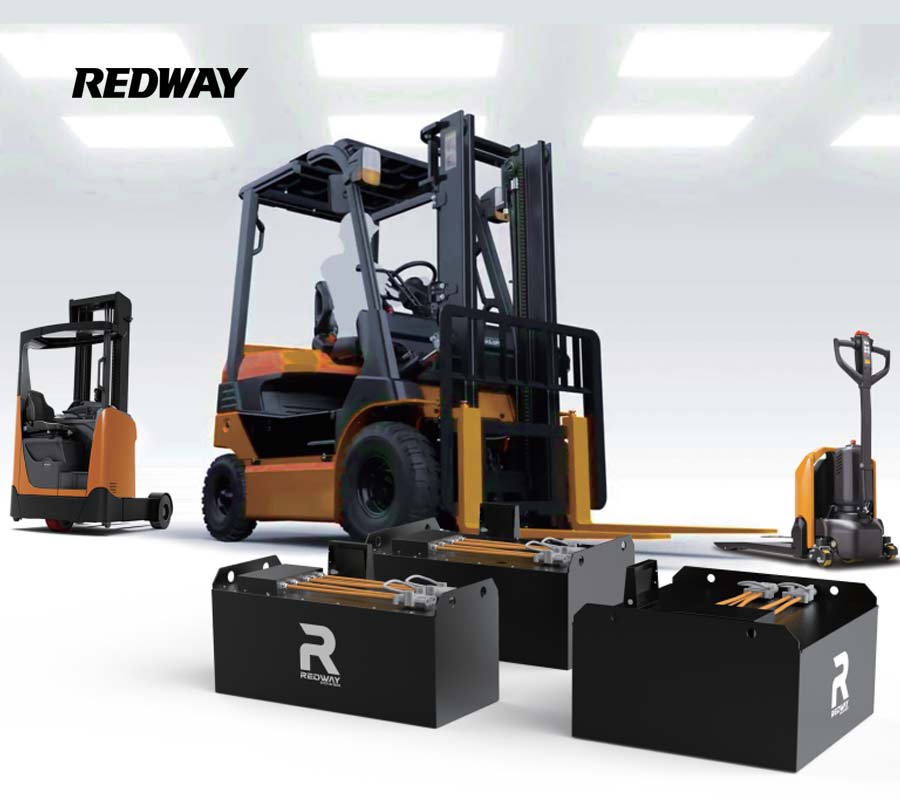
Forklift battery cells typically require replacement every 5–7 years, depending on usage, maintenance, and battery type. Regular monitoring of runtime, voltage stability, and signs of corrosion helps prevent downtime. Proper charging, cleaning, and watering practices extend battery life. Redway Battery emphasizes testing cell health annually and following manufacturer guidelines to ensure reliable performance.
What Are the Signs Your Forklift Battery Cells Need Replacement?
Indicators include reduced operating time, voltage drops below 80%, swollen or corroded cells, and frequent water top-ups. Testing specific gravity with a hydrometer can reveal electrolyte imbalances. If charging cycles consistently exceed 6–8 hours without full restoration, the battery cells are likely degraded. Redway Battery recommends monitoring these metrics regularly to avoid unexpected failures.
How Do You Safely Replace Forklift Battery Cells?
Turn off the forklift and disconnect the terminals. Use personal protective equipment, including gloves and goggles, to handle potential acid leaks. Remove vent caps and extract cells with a lift strap. Clean the battery tray, install new cells pre-filled with electrolyte, reconnect terminals, and perform a 12-hour equalization charge to balance voltage. Follow OSHA and ANSI safety protocols throughout the process.
Which Factors Affect Forklift Battery Cell Lifespan?
Battery longevity depends on charge cycles, depth of discharge, operating temperature, and maintenance frequency. Overcharging can reduce life by 30%, while fast charging increases plate corrosion. Impurities in water above 50 ppm accelerate sulfation. Proper equalization cycles can extend cell viability by 6–12 months.
| Temperature Range | Capacity Retention | Cycle Life |
|---|---|---|
| 50–77°F | 100% | 2,000 cycles |
| 78–95°F | 85% | 1,400 cycles |
| 96°F+ | 60% | 900 cycles |
Depth of discharge (DoD) also impacts longevity. Batteries discharged to 80% DoD experience three times more stress than those limited to 50% DoD. Implementing partial-state-of-charge charging strategies can extend cell lifespan by 18–22%.
Why Is Proper Forklift Battery Cell Maintenance Critical?
Neglected cells can lead to thermal runaway, causing extreme heat and potential explosions. Poor maintenance increases replacement costs by 60% and operational downtime by 22%. Proper watering prevents plate exposure and sulfation, while cleaning terminals reduces resistance buildup. Scheduled maintenance programs have been shown to extend battery lifecycles by over 35%. Redway Battery stresses that consistent maintenance ensures maximum performance and safety.
| Maintenance Task | Frequency | Impact |
|---|---|---|
| Electrolyte level checks | Weekly | Prevents plate sulfation |
| Terminal cleaning | Monthly | Reduces voltage drop by 0.2V |
| Equalization charges | Every 10 cycles | Balances cell voltages |
For the surrounding sizing, selection, installation and maintenance decisions, continue with the Forklift Battery Cell Configuration: Sizes, Counts and Replacement.
Automated watering systems and infrared thermal scans can further reduce acid spills and identify failing cells weeks before complete failure.
When Should You Choose Repair Over Full Cell Replacement?
Repair is viable if only one or two cells fail in batteries under three years old. Individual cell replacement costs about 40% less than replacing the full pack. However, mixing old and new cells can reduce efficiency by 15%, so this approach is recommended only for temporary, low-use scenarios. Redway Battery advises thorough testing before choosing repair over replacement.
Does Forklift Battery Cell Technology Impact Replacement Costs?
Yes. Lead-acid cells are $150–$300 each and require regular maintenance. Lithium-ion cells cost $400–$800 per cell but last three times longer with minimal upkeep. Gel cells reduce watering needs but have a 25% higher price. TPPL (Thin Plate Pure Lead) batteries charge faster but cost 20% more than standard options. Choosing the right technology balances upfront costs and long-term efficiency.
Redway Expert Views
“Proactive battery management prevents costly downtime. Facilities using predictive voltage monitoring and scheduled maintenance can reduce energy costs by up to 18% and extend battery life significantly. Always choose UL-certified cells, as substandard batteries fail three times faster. Redway Battery prioritizes safety, performance, and long-term reliability in every pack we produce.” – Redway Battery Engineer
When to Consider Individual Cell Replacement
Individual cells are typically replaced only if the battery pack is relatively new and one cell fails. Signs include significant voltage drop under load or abnormal specific gravity readings. Swapping a few cells is possible, but reconditioned batteries generally offer shorter run times, suitable for light-duty operations.
When to Replace the Entire Battery Pack
Replace the full battery pack when runtime decreases substantially, charging becomes difficult, or physical damage occurs, including leaks, bulging, or corrosion. Lead-acid batteries generally last 5+ years (1,500+ cycles), while lithium-ion batteries can exceed 10 years (3,000+ cycles). Proper maintenance, including correct charging and temperature management, maximizes pack longevity.
FAQs
Can I mix old and new forklift battery cells?
No—mixing cell ages causes uneven performance and accelerates degradation.
How much does forklift cell replacement cost?
Costs range from $1,200–$3,500 depending on battery size and cell type.
Are lithium forklift batteries worth the investment?
Yes, for high-use facilities, their threefold lifespan offsets higher upfront costs.
What maintenance extends forklift battery life?
Regular watering, terminal cleaning, proper charging, and avoiding extreme temperatures help maximize longevity.
How often should I test forklift battery cells?
Annual testing of voltage and electrolyte balance is recommended, with additional checks after heavy usage.
Conclusion
Maintaining forklift battery cells proactively ensures operational efficiency, safety, and cost savings. Redway Battery recommends scheduled inspections, proper watering, and careful charge management to maximize lifespan. Choosing the right battery technology, timely repairs, and full pack replacement when necessary prevents unexpected downtime and protects overall investment.
