




REDWAY BATTERY / KNOWLEDGE
How To Change Ep25-35cn Forklift Battery?
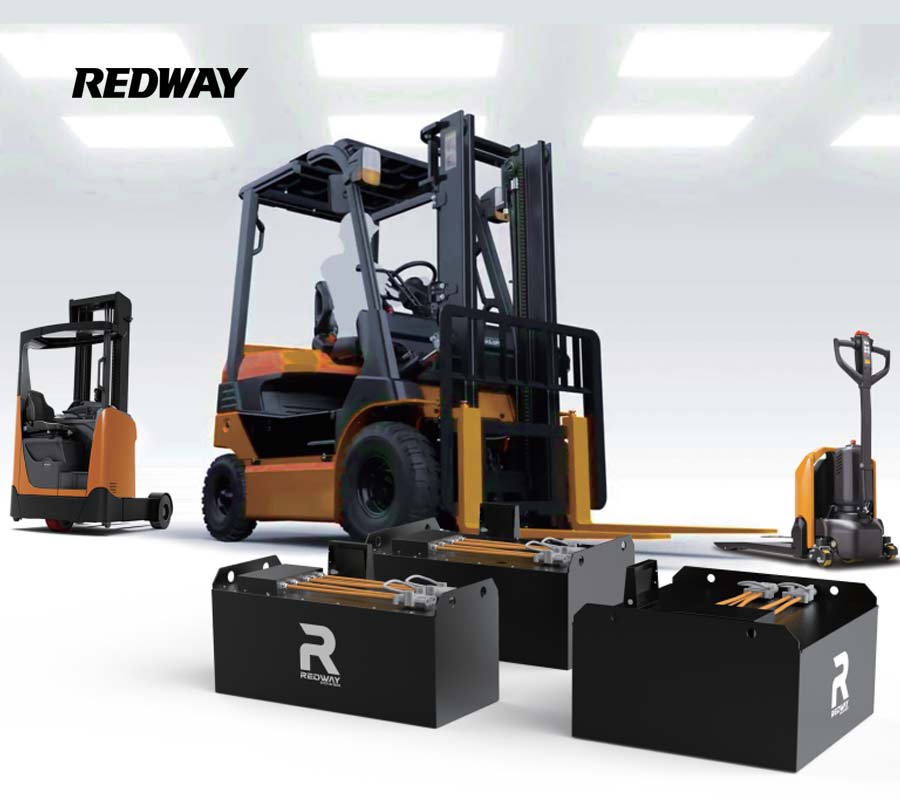
To replace the EP25-35CN forklift battery, first power off the vehicle and engage parking brakes. Disconnect the negative terminal first, then the positive, using insulated tools. Remove mounting hardware to extract the old battery. Install the new unit with identical orientation, secure all connections, and test voltage compliance before operation. Pro Tip: Always verify new battery specifications (voltage, Ah) match OEM requirements to prevent controller damage.
24V 200Ah Lithium Forklift Battery
What safety precautions are essential during battery replacement?
Prioritize protective gear and insulated tools. Work in ventilated areas to prevent hydrogen gas accumulation—sparks near lead-acid batteries risk explosions. Disable forklift systems completely; residual power in capacitors can deliver shocks exceeding 50V DC.
Always start with negative terminal disconnection—reversing this order risks short-circuiting via accidental tool contact with chassis grounds. For lithium batteries, add electrical isolation checks post-installation. Pro Tip: Keep Class D fire extinguishers nearby when handling lead-acid types. Think of battery replacement like defusing explosives—one wrong move cascades into catastrophic failures.
What tools are required for EP25-35CN battery replacement?
Essential tools include insulated wrenches (14-17mm), battery lifting straps, and voltage testers. Hydraulic lift tables assist with 200kg+ battery removal. Torque specs for terminal bolts typically range 15-20 N·m—under-tightening causes resistance heating; over-tightening strips threads.
| Tool | Lead-Acid Requirement | Lithium Requirement |
|---|---|---|
| Hydrometer | Mandatory | Optional |
| Insulation Tester | Optional | Mandatory |
| Torque Wrench | Recommended | Mandatory |
Battery lifting beams should have 3:1 safety factors—EP25-35CN batteries often exceed 300kg, requiring mechanical assistance. Did you know 65% of battery drop incidents occur during manual handling? Always use certified equipment.
How to verify successful battery installation?
Post-installation checks require multimeter validation (72V ±5% for standard systems) and load testing. Observe dashboard indicators—flashing battery icons signal communication errors between BMS and controllers. For lithium batteries, confirm CANbus connectivity using manufacturer-specific diagnostic tools.
Perform three operational tests: 1) Lift empty forks to full height 2) Drive 10m forward/reverse 3) Emergency brake engagement. Abnormal voltage drops >12% under load indicate poor connections. Pro Tip: Create a 15-minute log for new batteries—sudden temperature spikes above 50°C reveal internal faults.
Redway Battery Expert Insight
FAQs
Yes, but requires controller reprogramming for voltage thresholds—lithium’s 48V nominal vs lead-acid’s 42V requires compensating in power management systems.
How often replace EP25-35CN batteries?
Lead-acid: 1,200 cycles (~5 years). Lithium: 3,000+ cycles with 80% capacity retention—replace when operational hours drop below 75% factory specs.
This topic belongs to the wider Forklift Battery: Operation and Practical Guidance — Part 2, which brings the related decisions and practical checks together.
