




REDWAY BATTERY / KNOWLEDGE
How to Choose and Maintain an EZGO 48V Golf Cart Charger for RXV Models?
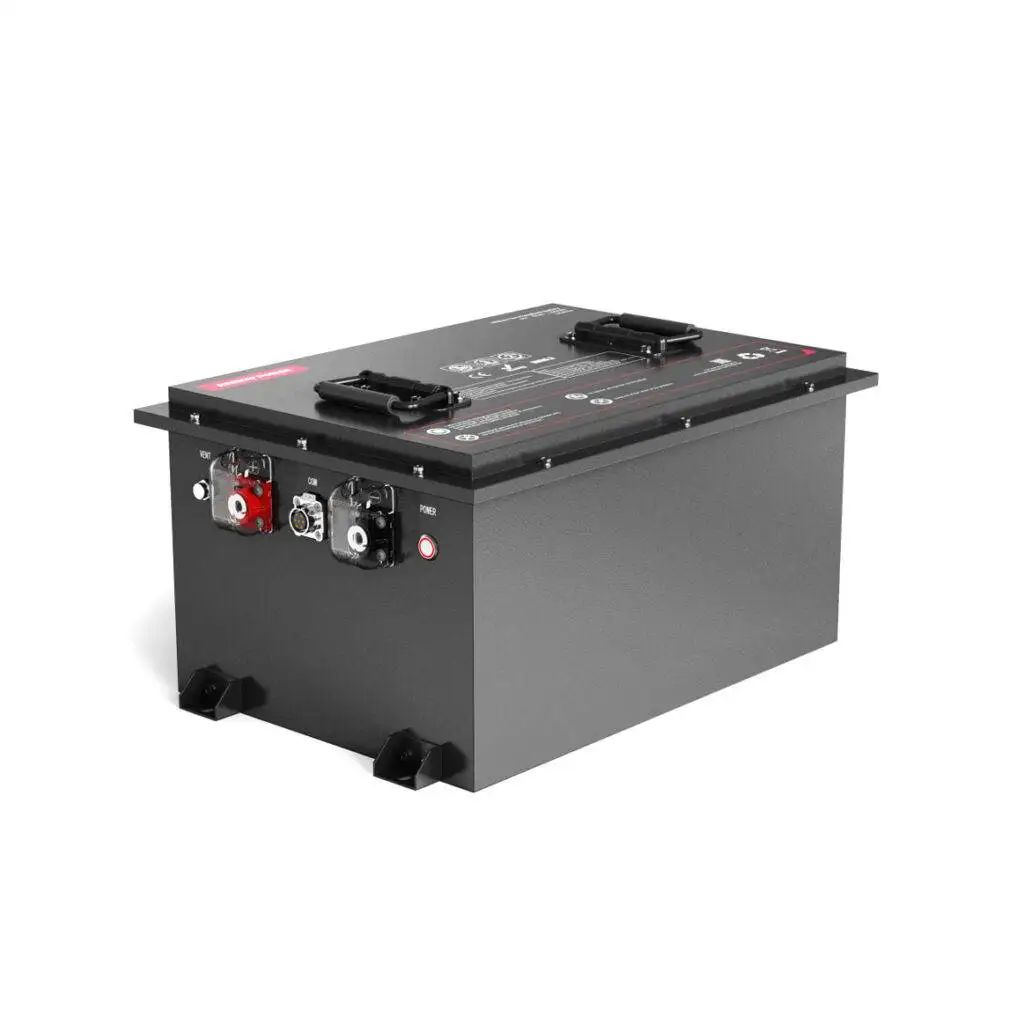
Choose a 48V charger that matches your RXV’s plug and battery chemistry (lead-acid or lithium), sized to ~10–20% of pack Ah with smart features (auto-cutoff, reverse-polarity, thermal protection), and plan for an OBC bypass only if your RXV’s onboard controller blocks aftermarket chargers. Maintain by keeping the charger cool, checking cables, and following the RXV manual.
How do I confirm my RXV uses a 48V system and which plug does it use?
RXV models are built with a 48V system, which you can confirm by counting batteries or checking the owner’s manual. They typically use a triangular RXV charge receptacle, though aftermarket chargers often use an SB50/Anderson-style adapter. Always verify the plug type on your cart before selecting a charger.
What battery chemistry compatibility must I check (lead-acid vs lithium)?
Your charger must match your battery chemistry. Lead-acid packs (flooded, AGM, or gel) require different charging profiles than LiFePO4 lithium packs. Using the wrong profile can shorten battery life or cause damage. For lithium conversions or OEM lithium RXVs, use a charger designed specifically for lithium with proper BMS integration.
Which amperage is right for my charger and how does amperage affect charge time?
The charger’s output should be 10–20% of your battery pack’s amp-hour rating. For example, a 100Ah pack pairs well with a 10–20A charger. Higher amperage reduces charge time but increases heat and stress, while lower amperage is gentler but slower.
Charge Time Chart
| Charger Output (A) | Approx. Charge Time (hrs) |
|---|---|
| 5 A | 16–20 |
| 10 A | 8–10 |
| 15 A | 5–7 |
| 20 A | 4–5 |
How does the RXV’s On-Board Controller (OBC) affect charger choice and when is an OBC bypass needed?
The RXV’s onboard controller manages charging. Some aftermarket chargers cannot communicate with the OBC and may require a bypass kit. Only perform an OBC bypass with proper documentation or professional help, as bypassing incorrectly can damage the system or void warranties.
What smart features should I look for in an RXV-compatible charger?
Look for features like auto-shutoff, float mode, reverse-polarity protection, temperature compensation, LED indicators, and short-circuit protection. Smart chargers with these protections ensure safe charging, prolong battery life, and reduce the risk of user error.
Which connector types are common and how do I match them to my RXV?
RXV carts typically use the OEM triangular plug, but many aftermarket chargers use Anderson SB50 or Powerwise connectors. Confirm your RXV’s receptacle type and choose a charger with a matching connector or an adapter.
Connector Types Chart
| Connector Type | Typical Models / Use | Notes |
|---|---|---|
| RXV Triangle | EZGO RXV OEM | OEM receptacle, adapter often available |
| SB50 / Anderson | Aftermarket chargers and adapters | Heavy-duty, widely used |
| Powerwise | Older EZGO / some OEM variants | Verify pin layout |
For the surrounding sizing, selection, installation and maintenance decisions, continue with the Golf Cart Battery Sizing: How Many Amp-Hours You Actually Need.
How should I install and where should the charger be located?
Install your charger in a dry, ventilated, and shaded location. Keep it off the ground if possible and ensure cooling vents are unobstructed. Always use a grounded outlet and avoid long or coiled extension cords to prevent overheating.
How should I maintain and service my EZGO 48V charger to maximize lifespan?
Check your charger monthly for frayed cables, corrosion, or dust build-up. Keep cooling vents clear and store the charger indoors when not in use. Clean connectors with a non-corrosive solution and replace worn parts as needed to prevent failures.
How do I troubleshoot common RXV charging issues?
If the charger doesn’t start, check AC power, fuses, and battery voltage. Some chargers won’t activate if the pack is completely drained and may need a booster. Fault codes or flashing lights usually indicate wiring, OBC, or connector issues — consult the manual or a technician if these persist.
What are the legal and warranty considerations when replacing or bypassing RXV charging systems?
Altering the OBC or using unauthorized chargers can void warranties and may violate safety standards. Always check your warranty terms before modifications. For fleet or commercial use, stick with manufacturer-approved chargers or service solutions to stay compliant.
What Should I Buy: OEM charger, aftermarket charger, or a Redway Battery–compatible option?
OEM chargers guarantee compatibility and preserve warranties. Aftermarket chargers often offer faster charging, lighter builds, or lithium support. Redway Battery recommends chargers specifically matched to their LiFePO4 packs, ensuring BMS integration and longer battery life. Choose based on your battery type, budget, and warranty needs.
Redway Battery Expert Views
“Choosing the right charger is all about respecting the RXV’s voltage, chemistry, and onboard systems. A smart charger paired with the correct connector ensures efficiency and safety. At Redway Battery, we recommend lithium-profile chargers with integrated BMS support for LiFePO4 packs to maximize lifespan and protect your investment.” — Redway Battery Expert
What Are the Key Takeaways?
Match your charger to voltage, plug, and chemistry. Choose amperage wisely for balanced charging speed and longevity. Smart features add protection and convenience. Treat OBC bypass with caution, and follow OEM guidance to protect both warranty and battery life.
Conclusion
The EZGO RXV 48V charger is critical to maintaining battery performance and protecting your golf cart’s electronics. By matching the charger to your cart’s voltage, plug, and chemistry, and by prioritizing smart features, you ensure safe and efficient charging. With Redway Battery’s lithium solutions, pairing the right charger with your pack unlocks the best performance and long-term reliability.
FAQs
Q1: How often should I check my charger?
Inspect it monthly and test output every 3–6 months.
Q2: Can I use an RXV 48V charger on another EZGO model?
Yes, if the voltage, plug, and chemistry match — always confirm before use.
Q3: What if my charger won’t start on dead batteries?
Many chargers require a minimum voltage; a booster or shop charger may be needed to wake the pack.
Q4: Will a fast charger damage my batteries?
Only if the battery isn’t rated for high charge rates. Use the recommended amperage for best results.
Q5: Should I replace the RXV’s OBC if it fails?
Yes, through an authorized dealer to preserve safety and warranty coverage.
