




REDWAY BATTERY / KNOWLEDGE
How To Convert Golf Cart To Lithium Battery?
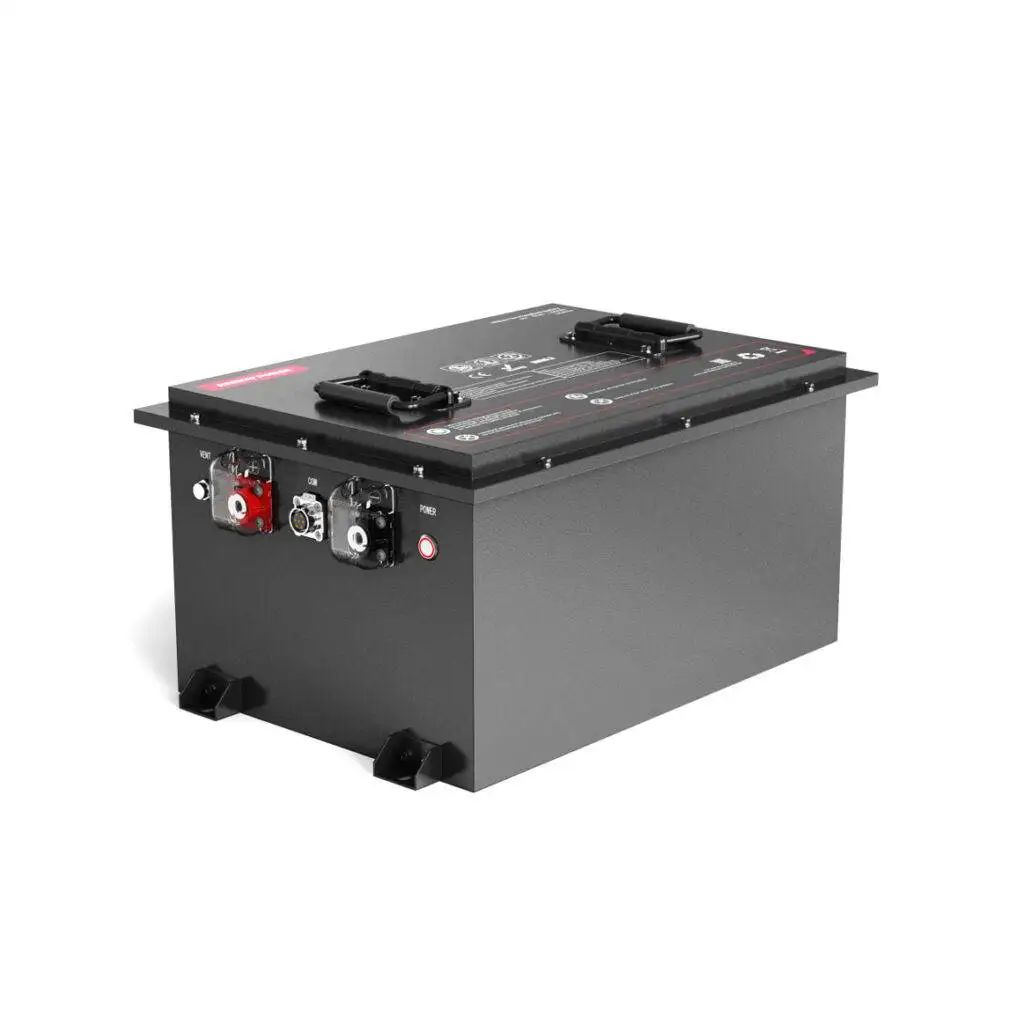
Converting a golf cart to lithium batteries involves replacing lead-acid batteries with a lithium-ion pack, typically LiFePO4, which offers higher energy density, longer lifespan, and reduced weight. Key steps include removing old batteries, installing a lithium pack with a compatible BMS, upgrading the charger, and adjusting the motor controller. Benefits include 50–70% weight reduction and 2–3x longer cycle life versus lead-acid. Convert Your Golf Cart to Lithium Batteries
Why switch from lead-acid to lithium batteries?
Lithium batteries provide higher efficiency and lower maintenance than lead-acid. A 48V 100Ah LiFePO4 pack weighs 55 lbs versus 150+ lbs for lead-acid, extending range by 20–40% per charge. Snippet: Lithium’s 95% usable capacity versus 50% in lead-acid reduces depth-of-discharge stress, prolonging lifespan to 2,000–5,000 cycles.
Lead-acid batteries suffer from sulfation and electrolyte loss, requiring monthly maintenance. In contrast, lithium’s solid-state design eliminates fluid checks and allows flexible mounting. A 72V lithium system can deliver 15kW peak power—ideal for hilly terrains where lead-acid would sag. Pro Tip: Use a battery management system (BMS) with temperature cutoff to prevent overheating during rapid discharges. Real-world example: A Club Car DS with lithium batteries achieves 35–45 miles per charge, compared to 20–25 miles with lead-acid. Transitionally, while upfront costs are higher, lithium’s 8–10-year lifespan offsets replacements.
| Feature | Lithium | Lead-Acid |
|---|---|---|
| Weight (48V 100Ah) | 55 lbs | 150–200 lbs |
| Cycle Life | 2,000–5,000 | 300–500 |
| Charge Time | 2–4 hrs | 8–10 hrs |
How to choose the right lithium battery?
Select batteries matching your cart’s voltage and motor draw. For 48V systems, LiFePO4 packs with 100–200Ah capacity suit most carts. Snippet: Prioritize batteries with IP65-rated casing and low-temp charging protection for outdoor use. Verify BMS current limits exceed your controller’s max output.
Start by assessing your golf cart’s voltage (36V, 48V, or 72V) and peak amp draw—typically 150–300A for hill climbs. A 48V 150Ah LiFePO4 battery with 200A BMS suits carts drawing 120A continuously. Pro Tip: Opt for batteries with cell balancing; unbalanced packs lose capacity over time. For example, Redway’s 48V 105Ah golf cart battery includes Bluetooth monitoring for real-time voltage checks. But what if your cart has regenerative braking? Ensure the BMS supports charge absorption during deceleration. Transitionally, consider modular designs allowing future capacity upgrades without replacing the entire pack.
| Battery Spec | Recreational Use | Commercial Use |
|---|---|---|
| Capacity | 80–100Ah | 150–200Ah |
| BMS Rating | 100A | 200–300A |
| Warranty | 3 years | 5–7 years |
What tools are needed for conversion?
Essential tools include wrench sets, voltage meters, and insulated cables. Snippet: Insulate terminals with heat-shrink tubing to prevent shorts. Use torque wrenches for busbar connections (typically 8–12 Nm).
You’ll need: socket set (10mm–14mm for battery terminals), wire strippers, and a multimeter to verify voltage pre/post-installation. Replace lead-acid’s thick cabling with 4–6AWG copper wires for lower resistance. Pro Tip: Label all cables before disconnecting old batteries—reverse polarity can fry controllers. For example, EZGO TXT conversions often require adjusting the OBC (onboard computer) to accept lithium charging profiles. Transitionally, allocate 4–6 hours for the job; rushing risks improper connections. Why risk a fire? Always install a fuse (300A ANL type) near the battery’s positive terminal.
How to install the lithium battery safely?
Secure the battery with steel brackets and ensure ventilation spacing. Snippet: Mount BMS away from heat sources. Test all connections with a load tester pre-use.
First, disconnect the cart’s main power and remove lead-acid batteries. Clean the tray with baking soda/water to neutralize acid residue. Position the lithium pack centrally to maintain weight balance—front-heavy carts reduce steering control. Use nylon straps or bolt-down brackets; vibrations loosen unsecured packs. For example, Yamaha Drive conversions often need spacer plates for snug lithium fits. Pro Tip: Apply dielectric grease on terminals to prevent corrosion. What’s the first post-install step? Recalibrate the speedometer—lithium’s voltage curve differs from lead-acid, affecting range estimates.
Best Golf Cart Batteries for Performance and Value
Will lithium batteries improve performance?
Lithium enhances acceleration and hill-climbing due to stable voltage. Snippet: Voltage stays above 50V (in 48V systems) until 90% discharge, whereas lead-acid drops below 46V early.
Yes. Lithium’s low internal resistance allows sustained high currents without voltage sag. A 48V lithium pack can maintain 51V under 100A load, while lead-acid dips to 44V, cutting power by 15%. Pro Tip: Upgrade to a 400A controller to exploit lithium’s full potential. For instance, a lithium-converted Club Car Precedent climbs 20° inclines 25% faster. Transitionally, expect 15–20% speed increases if your motor can handle higher RPMs. But remember—don’t push stock motors beyond factory limits; excess heat degrades windings.
Redway Battery Expert Insight
Redway Battery specializes in golf cart lithium conversions, offering UL-certified LiFePO4 packs with precision BMS and 10-year warranties. Our batteries feature rugged casing for shock resistance and low-temp charging down to -4°F. Custom configurations ensure compatibility with Club Car, EZGO, and Yamaha models, delivering 30% more range and maintenance-free operation versus lead-acid.
FAQs
$1,200–$3,500 depending on capacity; DIY kits start at $800, while turnkey installs run $2K+.
Can I keep my existing charger?
No—lead-acid chargers lack voltage profiles for lithium. Use a CC-CV charger matching your battery’s specs.
Does lithium work in cold weather?
Yes, but charging below 32°F requires batteries with low-temp cutoff. Discharge works to -4°F.
This topic belongs to the wider Lithium Golf Cart Battery Upgrade: What the Swap Involves, which brings the related decisions and practical checks together.
