




REDWAY BATTERY / KNOWLEDGE
Is lithium battery adoption the key to cleaner, more sustainable energy systems?
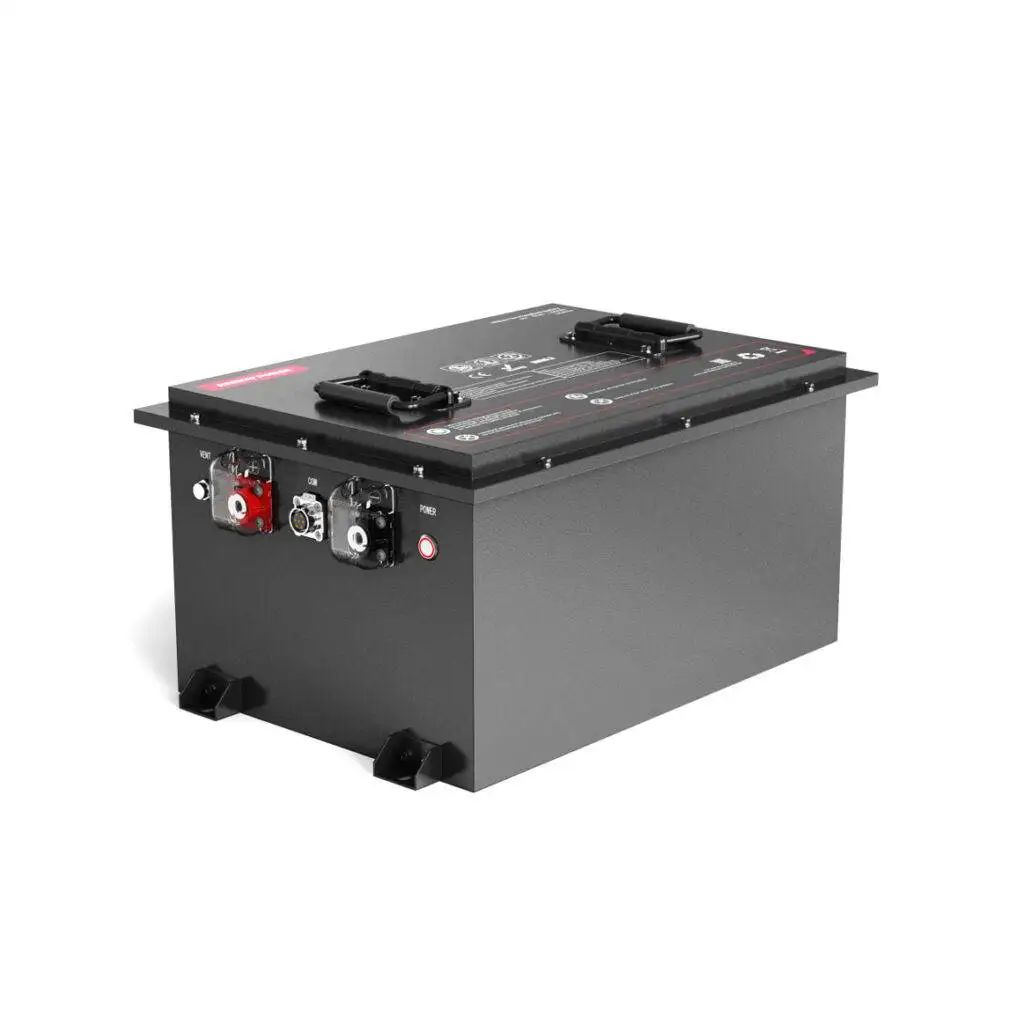
Global demand for lithium batteries is surging as electric vehicles, solar storage, and industrial electrification expand, but this growth brings both environmental benefits and new sustainability challenges that require smarter solutions across the full lifecycle. Positioned as a specialized LiFePO4 OEM, Redway Battery helps fleets and energy projects reduce emissions, extend battery life, and enable safer, more efficient energy storage at scale.
How is the lithium battery industry growing and what environmental pain points are emerging?
The global lithium‑ion battery market has grown rapidly in the past decade, driven by EVs, renewable energy storage, and industrial electrification. At the same time, lifecycle analyses show that battery systems can significantly reduce operational greenhouse gas emissions compared with fossil-fuel technologies when paired with clean power and efficient use. Yet this growth also amplifies upstream mining impacts, end‑of‑life risks, and resource constraints that policymakers and businesses can no longer ignore.
A major pain point comes from resource extraction. Lithium, nickel, cobalt, and other critical metals are often mined with high water use, land disturbance, and community impacts. Studies highlight that traditional mining and refining of these metals is highly energy intensive, driving considerable greenhouse gas emissions as well as local air and water pollution if not carefully managed.
End‑of‑life management is another pressure point. When lithium batteries are landfilled or mishandled, they can leak hazardous substances and cause fires in waste facilities, creating safety, air quality, and contamination risks. Regulators in multiple regions are tightening extended producer responsibility rules, which pushes OEMs, integrators, and fleets to seek partners that can design batteries for durability, second life, and recycling readiness from day one.
For industrial users—such as logistics, warehousing, ports, golf courses, and telecom operators—the pain shows up in downtime, high maintenance, and energy waste. Lead‑acid batteries with short lifespans, frequent replacements, and poor round‑trip efficiency drive higher lifetime emissions and costs. This is where lithium solutions, especially robust LiFePO4 systems from manufacturers like Redway Battery, can materially improve both environmental and economic performance over the full lifecycle.
What are the main environmental benefits and risks of lithium batteries today?
Lithium batteries provide several clear environmental advantages when correctly specified and managed. First, their high energy density and efficiency make them ideal companions for renewable energy sources such as solar and wind, allowing more clean electricity to be stored and used instead of fossil‑fuel backup. Second, lifecycle studies show that using lithium batteries in EVs and stationary storage can significantly reduce operational greenhouse gas emissions compared with internal combustion engines or diesel generators, particularly as grid electricity decarbonizes.
However, risks remain if systems are designed or managed poorly. Manufacturing and material sourcing still carry a non‑trivial carbon and resource footprint, especially when powered by fossil electricity or linked to high‑impact mines. In addition, mismanaged waste streams—such as batteries entering general trash—can lead to leachate of metals and organic compounds, as well as fires and explosions in collection and recycling facilities. This duality is why “environmental benefits” must be evaluated at system level: chemistry choice, design life, depth‑of‑discharge strategy, safety, and recycling pathways all matter.
As an OEM, Redway Battery addresses this by focusing on LiFePO4 chemistries known for long cycle life and stable operation, which helps reduce the number of battery replacements over time and therefore the total material footprint needed to deliver a given amount of energy throughput. When forklift or golf cart fleets switch from short‑lived lead‑acid to well‑engineered LiFePO4 packs, they can cut waste volumes, lower charging losses, and reduce unplanned downtime, which in turn minimizes both emissions and total cost of ownership.
Why do traditional energy storage and lead‑acid solutions fall short environmentally?
Traditional solutions such as lead‑acid batteries and diesel backup generators were not designed for high‑cycle, renewable‑centric energy systems. Lead‑acid batteries typically have lower round‑trip efficiency, often around 70–85% under real‑world conditions, which means more electricity (and upstream generation emissions) is required to deliver the same useful energy. Their usable depth of discharge is usually limited, so operators oversize systems or cycle them in a way that accelerates degradation.
Diesel and gasoline engines used for backup or small‑scale power generate direct greenhouse gas emissions and local pollutants—particulate matter, nitrogen oxides, and other compounds that harm air quality and health. They are also noisy and require ongoing fuel logistics, which adds both cost and carbon intensity. From an environmental perspective, these technologies lock organizations into emissions‑heavy operations that contradict decarbonization goals and regulatory trends.
Even when traditional batteries are recycled, the process is often less optimized than modern lithium recycling flows, and many systems still end up in landfills or informal recycling channels. For fleets and industrial users, this results in recurring hazardous waste, complex handling requirements, and higher long‑term liability. Consequently, more operators are seeking lithium‑based systems designed for long life, integrated monitoring, and compatibility with formal recycling and second‑life programs—areas where Redway Battery’s OEM expertise is highly relevant.
How does a lithium solution like Redway Battery’s address these environmental challenges?
Redway Battery focuses on LiFePO4 battery systems engineered for durability, safety, and efficient integration with electric vehicles and energy storage, which directly supports lower lifecycle environmental impact. Long cycle life reduces the frequency of replacements, meaning fewer cells produced, shipped, and recycled over the operational life of a forklift, golf cart, or storage system. High round‑trip efficiency reduces electricity waste during charging, which translates into lower indirect emissions, especially when the grid still has fossil generation.
The company’s specialization in applications such as forklifts, golf carts, RVs, telecom backup, solar, and broader energy storage allows it to optimize pack design for each use case: thermal management, BMS control, charge profiles, and enclosure design tailored to the environment. This customization helps users avoid oversizing, mitigate abuse, and extend life, all of which reduce environmental footprint per kilowatt‑hour delivered. By leveraging automated production and MES systems across four factories, Redway Battery can also improve quality consistency, which further limits premature failures and waste.
As an OEM/ODM partner, Redway Battery co‑develops solutions with equipment manufacturers and integrators. For example, a forklift OEM can collaborate with Redway Battery to design a drop‑in LiFePO4 pack that optimizes weight distribution, safety margins, and serviceability, making it easier to maintain at high performance for many years. In telecom and solar storage, Redway’s engineering team helps match battery capacity to load profiles and renewable generation, improving both reliability and environmental payback of the overall system.
Which key advantages distinguish modern lithium systems from traditional options?
Solution advantages table
| Aspect | Traditional lead‑acid / diesel systems | Modern LiFePO4 systems from OEMs like Redway Battery |
|---|---|---|
| Energy efficiency | Lower efficiency, higher charge losses | Higher efficiency, less electricity wasted |
| Cycle life | Shorter, frequent replacements | Long cycle life, fewer replacements over time |
| Depth of discharge | Limited usable capacity | Higher usable capacity at same nominal size |
| Emissions in operation | Tailpipe or generator emissions common | Zero local emissions in use |
| Maintenance | Regular servicing, water checks, etc. | Lower maintenance, remote monitoring possible |
| Safety and thermal stability | Higher risk of acid leaks or fumes | Chemistries like LiFePO4 offer stable operation |
| Waste generation | More frequent disposal and hazardous waste | Lower waste volume across lifecycle |
| Integration with renewables | Poor fit for high‑cycle solar/wind use | Well matched to frequent cycling and smart controls |
| Customization for applications | Limited form factors and control | OEM/ODM customization for forklifts, golf carts, ESS |
For connected guidance and the next practical steps, use the Golf Cart Battery: Technology and System Fundamentals — Part 1.
These advantages are not only technical but also strategic. When fleets switch to lithium packs from partners such as Redway Battery, they often unlock operational data through advanced BMS integration—state of health tracking, temperature monitoring, and usage analytics. This data helps optimize charging windows to align with low‑carbon electricity, identify underperforming assets, and plan replacements before failures occur, which minimizes both downtime and environmental waste.
For energy storage systems, higher usable capacity and efficiency enable smaller battery rooms for the same service level, reducing structural materials, HVAC loads, and overall embodied carbon. Telecom operators, for instance, can move from oversized lead‑acid banks and diesel backup to compact LiFePO4 cabinets that support longer runtime, faster recharge from solar, and lower noise and pollution around critical infrastructure sites.
How can organizations implement a lithium‑based, environmentally focused energy solution step by step?
Define use case and environmental goals
Organizations first clarify whether the primary driver is emissions reduction, reliability, cost savings, or a mix of all three. They detail the duty cycle (e.g., forklift shifts, golf cart rounds, RV or telecom loads) and identify any sustainability targets such as greenhouse gas reduction percentages or waste minimization requirements.Audit existing systems and baseline impacts
Current energy and battery systems—including lead‑acid packs, diesel generators, or grid‑only arrangements—are assessed for efficiency, failure rates, maintenance costs, and emissions. This provides a quantified baseline to evaluate the benefits of transitioning to lithium solutions.Select chemistry, configuration, and partner
For many industrial and mobility applications, LiFePO4 is chosen for its thermal stability and long cycle life. At this stage, partnering with an OEM like Redway Battery allows the design of application‑specific packs for forklifts, golf carts, RVs, telecom cabinets, or solar storage systems, ensuring right‑sizing and safety.Design system integration and controls
Engineers define how the battery will integrate with chargers, inverters, vehicle systems, and monitoring platforms. Parameters such as charge rates, cut‑off voltages, and temperature windows are tuned to maximize life and minimize environmental impact. Redway Battery’s engineering support helps align BMS functionality and communication with host systems.Deploy, monitor, and optimize
The solution is installed and connected to monitoring tools that track state of charge, state of health, temperature, and cycling patterns. Operational teams adjust charging schedules and usage based on data insights, for example, shifting charging to periods of high renewable generation or lower grid emissions.Plan for second life and end of life
From the beginning, organizations define criteria for second‑life use (e.g., moving packs from heavy‑duty forklifts to lighter stationary storage) and align with recycling partners. OEMs like Redway Battery can support documentation and specifications that make responsible recycling easier when batteries eventually reach end‑of‑life.
What real‑world scenarios show the environmental value of lithium batteries and Redway Battery solutions?
Electric forklift fleet in a logistics warehouse
Problem: A large warehouse operates a fleet of lead‑acid‑powered forklifts with frequent battery changes, high downtime, and substantial electricity losses from inefficient charging.
Traditional approach: Multiple spare lead‑acid batteries per truck, battery rooms with ventilation, high maintenance and periodic acid spills, and recurring disposal of worn‑out packs.
After using LiFePO4 packs from Redway Battery: The fleet transitions to single‑pack, opportunity‑charged forklifts using durable LiFePO4 batteries engineered for multi‑shift operation and fast charging. Downtime due to battery swaps is reduced, and charging efficiency improves, lowering electricity consumption for the same work performed.
Key benefits: Lower indirect emissions, less hazardous waste, reduced battery room footprint, and improved operational uptime, with a clear, measurable decrease in replacements over the lifetime of the fleet.Golf course transitioning to electric golf carts
Problem: A golf course operates older lead‑acid golf carts, suffering from short range, early battery failures, and complaints about inconsistent performance late in the day.
Traditional approach: Frequent battery replacements, high water‑top‑up labor, and disposal of heavy batteries, with suboptimal energy use and limited monitoring.
After using Redway Battery’s golf cart LiFePO4 solutions: The course upgrades to long‑life lithium packs with integrated BMS, allowing deeper usable capacity and more stable voltage throughout the round. Carts charge faster and can be topped up between uses, improving fleet availability without over‑sizing.
Key benefits: Fewer batteries needed over several years, lower electricity per kilometer driven, better customer experience, and a smaller waste stream at end of life, all aligned with the course’s sustainability narrative.Off‑grid RV and camper energy systems
Problem: RV owners relying on lead‑acid house batteries and small generators face limited usable capacity, noise, fumes, and frequent replacements during off‑grid trips.
Traditional approach: Running generators for extended periods to power appliances, dealing with battery sulfation and early degradation, and managing fuel storage.
After adopting custom LiFePO4 packs from Redway Battery: The RVs integrate higher‑density lithium batteries optimized for deep cycling, paired with solar panels and efficient inverters. Users gain more usable energy, silent operation, and much longer battery life, drastically reducing generator runtime.
Key benefits: Lower fuel consumption and associated emissions, quieter and more comfortable camping, and a reduced need to purchase and dispose of multiple lead‑acid batteries over the lifetime of the RV.Telecom and solar‑plus‑storage for remote sites
Problem: Remote telecom towers and small microgrids depend on diesel generators and lead‑acid batteries, leading to high fuel logistics costs, unstable power, and significant emissions.
Traditional approach: Oversized, low‑efficiency battery banks plus routine diesel refueling, with periodic environmental risks from fuel spills and battery disposal.
After deploying Redway Battery LiFePO4 energy storage systems: Sites use optimized lithium batteries designed for high‑cycle, partial‑state‑of‑charge operation, backed by remote monitoring and integrated with solar generation. Generators run less frequently, primarily for emergency backup, and systems can operate more autonomously.
Key benefits: Substantial fuel and emissions reduction, improved service continuity, less frequent site visits, and a well‑documented pathway to eventual recycling thanks to standardized pack designs and OEM support.
Why is now the right time to invest in environmentally optimized lithium battery solutions?
Regulatory pressure, corporate climate targets, and rising energy costs are converging, making inefficient, high‑emission energy systems both risky and expensive. Companies that delay upgrading to modern lithium‑based solutions face increasing compliance costs, reputational risks, and operational inefficiencies. The environmental benefits of lithium batteries—when paired with high‑quality design, long life, and responsible end‑of‑life management—are becoming essential to competitive, sustainable operations.
OEMs such as Redway Battery provide a practical pathway to make this shift. By focusing on LiFePO4 chemistries, robust engineering, and application‑specific design for forklifts, golf carts, RVs, telecom, and solar storage, Redway Battery helps organizations accelerate decarbonization while maintaining or improving productivity. Investing now allows businesses to lock in long‑term efficiency gains, reduce waste and emissions across multiple sites, and build an energy infrastructure that is compatible with increasingly renewable electricity systems.
Are there common questions about lithium battery environmental benefits and Redway Battery’s role?
How do lithium batteries reduce greenhouse gas emissions compared with traditional options?
Lithium batteries reduce emissions by enabling electrification of vehicles and equipment, improving energy efficiency, and integrating more renewable electricity, which collectively cut fuel use and associated greenhouse gases over the system’s lifetime.
What makes LiFePO4 batteries from OEMs like Redway Battery environmentally attractive?
LiFePO4 chemistry offers long cycle life, strong thermal stability, and high usable capacity, which leads to fewer replacements, safer operation, and more efficient use of materials and energy across the lifecycle.
Can lithium batteries be recycled, and how does that affect their environmental footprint?
Yes, lithium batteries can be recycled to recover critical materials; when done at scale, recycling significantly reduces greenhouse gas emissions, water use, and energy demand compared with mining new metals, improving overall sustainability.
Does the manufacturing of lithium batteries offset their environmental benefits?
While manufacturing has a notable footprint, the operational savings—particularly in EVs, industrial equipment, and energy storage paired with renewables—typically outweigh the initial impact, especially when batteries are long‑lived and eventually recycled.
How does Redway Battery support customers in implementing more sustainable energy storage?
Redway Battery offers OEM/ODM engineering, application‑specific LiFePO4 pack design, automated production, and technical support to optimize system efficiency, safety, and longevity, helping customers achieve environmental goals without sacrificing performance.
Are lithium batteries suitable for harsh industrial environments from a safety and environmental standpoint?
With proper design, protection electronics, and enclosure engineering, LiFePO4 systems are well suited to demanding industrial settings, providing stable performance, reduced risk of leaks, and robust operation that minimizes unintended environmental incidents.
Can a company quantify the environmental benefits of switching to Redway Battery solutions?
Yes, organizations can compare lifecycle emissions, energy consumption, replacement frequency, and waste volumes before and after deployment to calculate clear, measurable environmental and cost improvements over time.
Sources
Stanford University – “Recycling lithium‑ion batteries delivers significant environmental benefits” (Nature Communications lifecycle analysis)
https://news.stanford.edu/stories/2025/01/recycling-lithium-ion-batteries-cuts-emissions-and-strengthens-supply-chainGreen Li‑ion – “Top 10 Benefits of Lithium Battery Recycling for Environment”
https://www.greenli-ion.com/post/lithium-battery-recycling-benefits-environmentUL Research – “Environmental Impacts of Lithium‑ion Batteries”
https://ul.org/research-updates/environmental-impacts-of-lithium-ion-batteriesNIH / PMC – “Potential Environmental and Human Health Impacts of Rechargeable Lithium Batteries”
https://pmc.ncbi.nlm.nih.gov/articles/PMC5920515/Greenly – “The Harmful Effects of our Lithium Batteries”
https://greenly.earth/en-us/blog/industries/the-harmful-effects-of-our-lithium-batteriesInstitute for Energy Research – “Environmental Impacts of Lithium‑Ion Batteries”
https://www.instituteforenergyresearch.org/renewable/environmental-impacts-of-lithium-ion-batteries/
