




REDWAY BATTERY / KNOWLEDGE
What Details Are In H40-70A Technical Guide?
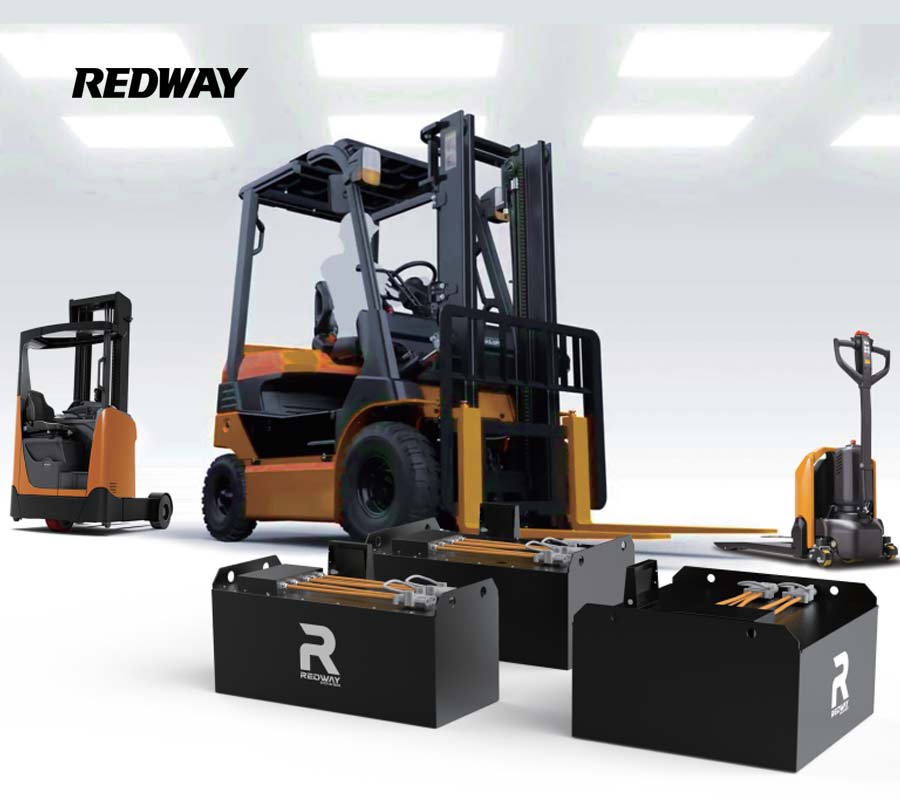
The H40-70A Technical Guide details specifications for a 40V, 70Ah lithium-ion battery pack designed for industrial equipment like electric forklifts. It covers cell configuration (LiFePO4), charge protocols (46.8V max), and safety mechanisms like IP67-rated enclosures. Pro Tip: Always verify terminal compatibility with your equipment—mismatched connectors cause voltage drops and potential BMS lockouts. 24V 200Ah Lithium Forklift Battery
What are the core specifications of the H40-70A?
The H40-70A operates at a nominal 40V with a 70Ah capacity, utilizing LiFePO4 cells for 4,000+ cycles. Key specs include a 46.8V max charge voltage, 30V discharge cutoff, and CANBus communication for fleet management. Why does cycle life matter? Forklift operators gain 8–10 years of daily use before capacity degradation hits 70%.
Beyond voltage ranges, the guide specifies 150A continuous discharge (250A peak) to handle heavy lifting. Thermal sensors maintain cell temps between -20°C to 60°C. Pro Tip: Pair with chargers delivering ≤0.5C rates—higher currents accelerate lithium plating. For context, a warehouse using H40-70A packs can lift 1.5-ton loads for 6 hours per charge.
| Parameter | H40-70A | 24V 200Ah |
|---|---|---|
| Nominal Voltage | 40V | 24V |
| Energy | 2.8kWh | 4.8kWh |
| Peak Current | 250A | 300A |
How is the H40-70A installed safely?
Installation requires IP67-compliant mounting to prevent water ingress in damp environments. The guide mandates torque settings (8–10 Nm for terminals) and isolation from heat sources. But what if vibrations loosen connections? Monthly inspections are advised to check terminal integrity.
Practically speaking, forklift integration involves aligning the battery tray’s DIN slots and securing with M8 bolts. CANBus wiring must use shielded cables to avoid EMI interference. Pro Tip: Apply anti-corrosive gel on terminals post-installation—moisture-induced oxidation increases resistance by 15–20%. For example, a food cold storage facility reduced downtime by 30% after upgrading to H40-70A’s sealed design.
What maintenance optimizes H40-70A lifespan?
Monthly SOC checks and quarterly capacity calibrations (full discharge/charge cycles) prevent voltage drift. Storage at 50% SOC in 15–25°C environments minimizes calendar aging. Did you know 90% of premature failures stem from improper storage?
Beyond basic maintenance, firmware updates via CANBus address balancing algorithms and fault logging. Pro Tip: Replace balance leads every 1,000 cycles—degraded wiring causes cell voltage deviations exceeding 50mV. A logistics company extended pack lifespan by 18 months using predictive maintenance software synced to H40-70A’s BMS.
| Maintenance Task | Frequency | Tool Required |
|---|---|---|
| Terminal Cleaning | Monthly | Anti-corrosive brush |
| Capacity Test | Quarterly | Load tester |
| BMS Update | Biannually | CANBus dongle |
Redway Battery Expert Insight
FAQs
Yes, but ensure the charger supports LiFePO4 profiles—lead-acid voltage curves overcharge lithium packs, triggering BMS shutdowns.
What’s the recharge time for H40-70A?
Using a 35A charger, 0%–100% takes 2.5 hours. Avoid partial charges—they imbalance cells over time.
Is the H40-70A compatible with all forklifts?
Only models with 40V systems and DIN-compatible trays. Retrofit kits are available for Mitsubishi and Crown fleets.
For the surrounding sizing, selection, installation and maintenance decisions, continue with the Forklift Battery: Operation and Practical Guidance — Part 7.
