




REDWAY BATTERY / KNOWLEDGE
What Determines Toyota Forklift Battery Cost and Warranty?
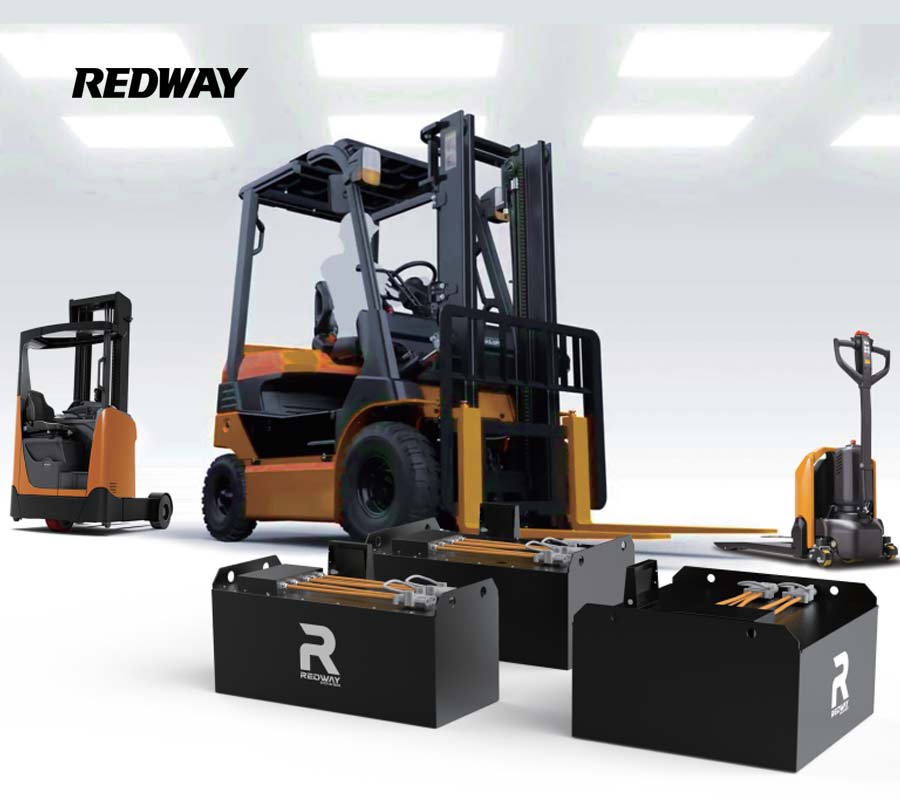
Toyota forklift battery costs are influenced by battery type, voltage, amp-hour capacity, and technology, while warranties depend on the chemistry (lead-acid or lithium-ion), usage patterns, and adherence to maintenance schedules. Proper care, including charging practices and regular inspections, ensures both optimal performance and warranty eligibility. Choosing the right battery requires balancing upfront investment with long-term operational efficiency.
How Do Battery Type and Chemistry Affect Toyota Forklift Battery Costs?
Battery chemistry is the primary factor in pricing. Lead-acid batteries typically range from $2,000 to $6,000, offering lower initial costs but higher maintenance needs. Lithium-ion batteries cost $7,000 to $15,000+, with longer lifespans, minimal upkeep, and higher energy efficiency. Redway Battery specializes in LiFePO4 solutions, providing durable options with predictable performance for industrial forklifts.
| Battery Type | Initial Cost | Cycle Life | Maintenance Requirements |
|---|---|---|---|
| Lead-Acid | $2,000-$6,000 | 1,500 cycles | Weekly watering, equalization charges |
| Lithium-Ion | $7,000-$15,000+ | 3,000-5,000 cycles | Minimal, monitoring BMS |
Voltage and amp-hour capacity also impact cost: higher voltage and larger capacity batteries deliver longer run times but increase price. Industrial-grade management systems further raise costs by 15-25% over third-party alternatives.
What Is Included in Toyota’s Forklift Battery Warranty?
Toyota provides warranties covering manufacturing defects and capacity performance. Full replacement typically applies for 12-24 months, while capacity guarantees maintain 80% rated Ah over 1,500–2,000 cycles. Warranty compliance requires regular maintenance, including documented electrolyte levels and charging logs for lead-acid batteries, or proper BMS monitoring for lithium-ion models.
| Warranty Type | Coverage Period | Performance Threshold |
|---|---|---|
| Full Replacement | 12-24 months | Manufacturing defects |
| Capacity Guarantee | 5 years / 2,000 cycles | 80% rated Ah |
Claims for capacity loss demand three consecutive tests by certified technicians using ISO standards. Lithium-ion warranties also require cell imbalance below 5% throughout the coverage period.
Which Battery Type Offers Better ROI: Lead-Acid or Lithium-Ion?
Lithium-ion batteries enable faster opportunity charging and 2-3x longer cycle life. Despite higher upfront costs, their 8-10 year lifespan and reduced maintenance result in 40-60% lower total cost of ownership in high-utilization environments. Facilities running multiple shifts benefit most from lithium-ion technology, while lead-acid remains cost-effective for single-shift operations with scheduled downtime.
| Metric | Lead-Acid | Lithium-Ion |
|---|---|---|
| Cycle Life | 1,500 | 5,000 |
| Energy Efficiency | 75% | 95% |
| Total Cost of Ownership | Higher | Lower (long-term) |
For connected guidance and the next practical steps, use the Toyota Forklift Battery: Fitment, Replacement and What the Brand Covers.
How Can Maintenance Extend Battery Life and Warranty?
Routine checks extend battery lifespan and ensure warranty eligibility. Lead-acid batteries require weekly specific gravity inspections, equalization every 10 cycles, and maintaining electrolyte levels above plate minimums. Automated watering systems reduce stratification risks, while controlled charging below 113°F prevents thermal damage. Lithium-ion packs benefit from BMS monitoring and adherence to depth-of-discharge parameters.
Where Should I Buy Certified Toyota Forklift Batteries?
Authorized Toyota dealers offer factory-trained battery commissioning, load bank testing, and first-charge optimization. Third-party providers must meet UL 2580 and IEC 62619 standards to qualify for warranty coverage. Refurbished options are available at 40-60% of new battery costs, typically with 6-12 month warranties. Redway Battery supplies OEM-grade solutions globally, ensuring reliable performance and compliance.
What Are Toyota’s Battery Recycling Requirements?
Toyota mandates EPA-compliant recycling via its Blue Sky Program, recovering 98% of lead and 99% of sulfuric acid. Core fees range from $150-$400 and are refundable when depleted batteries are returned within 90 days. Lithium-ion batteries require certified hazardous material transport and UN38.3 testing for safety and regulatory compliance.
Does Usage Pattern Affect Warranty Eligibility?
Operators exceeding 16 hours per day must provide quarterly discharge tests. Capacity claims need three consecutive tests showing ≥80% rated Ah. Telematics systems monitor depth-of-discharge, with habitual low SOC usage potentially voiding capacity guarantees. Proper usage documentation is essential for maintaining warranty validity.
Redway Expert Views
“Proper battery selection and maintenance are critical for maximizing ROI and longevity. Our experience at Redway Battery shows that 92% of premature lithium-ion failures result from improper charging or depth-of-discharge practices. Operators must follow strict protocols and leverage BMS monitoring to ensure optimal performance and extended warranty coverage,” says Redway Battery’s Chief Engineer.
Conclusion
Selecting a Toyota forklift battery requires balancing upfront cost with operational efficiency. Lithium-ion offers long-term savings and lower maintenance, while lead-acid remains a practical choice for single-shift operations. Adherence to maintenance schedules, proper charging practices, and certified sourcing maximize battery performance and warranty coverage. Partnering with trusted providers like Redway Battery ensures reliability and regulatory compliance.
Frequently Asked Questions
How often should I equalize Toyota lead-acid batteries?
Perform equalization every 10 discharge cycles or when specific gravity variance exceeds 0.030 between cells.
Can I use third-party chargers with Toyota batteries?
Only chargers compatible with Toyota’s BMS maintain warranty coverage. Unauthorized chargers may void capacity guarantees.
What is the replacement process for defective batteries?
Contact an authorized dealer within 30 days of detecting issues. Replacement requires purchase documentation and maintenance logs for validation.
How long does a lithium-ion Toyota forklift battery typically last?
With proper care, lithium-ion batteries can last 8-10 years or 3,000-5,000 cycles, significantly outliving lead-acid alternatives.
Are refurbished batteries a safe option for forklifts?
Refurbished batteries from certified distributors can be cost-effective, but warranty periods are shorter, and careful inspection is essential for reliability.
