




REDWAY BATTERY / KNOWLEDGE
What Should You Know Before Buying Used Golf Cart Batteries?
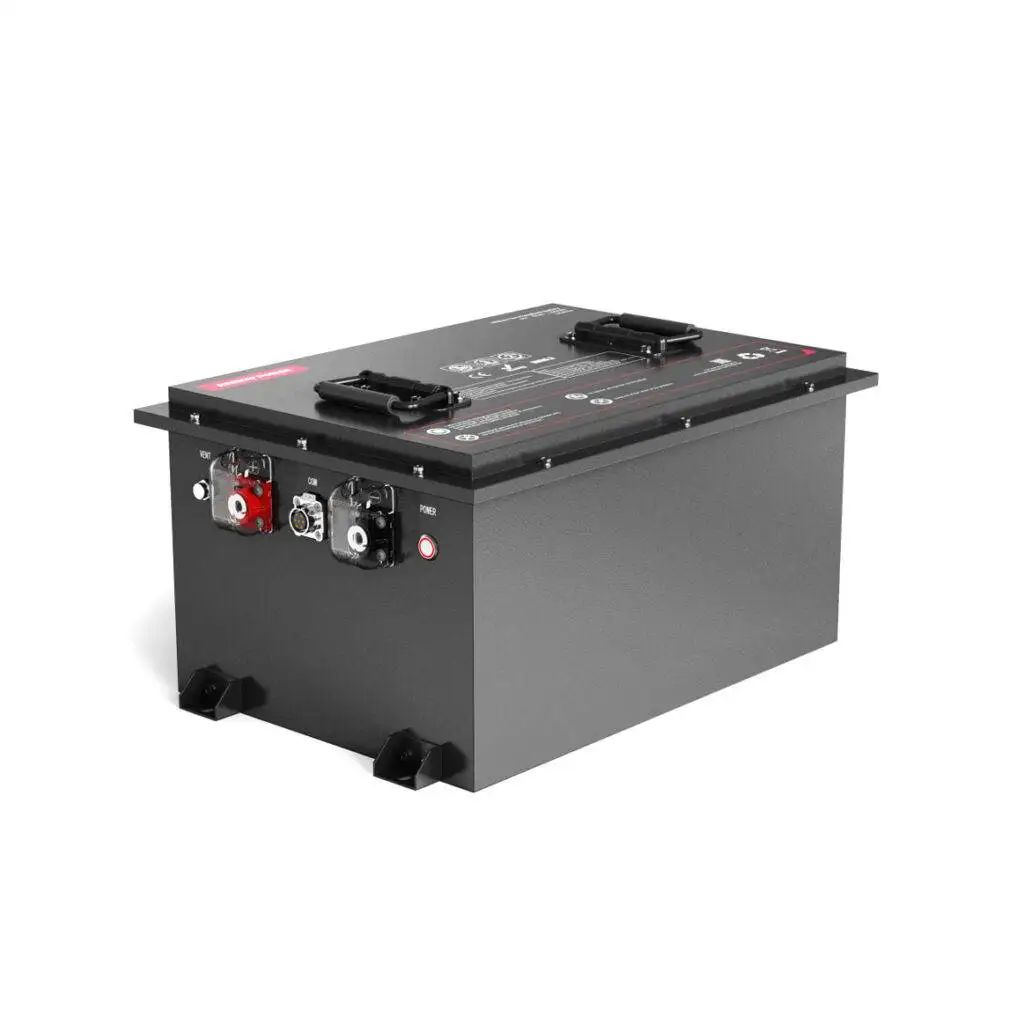
What should you know before buying used golf cart batteries? Always inspect physical condition, including signs of bulging, leaks, or corrosion. Check the battery’s brand and age, and inquire about its maintenance history to ensure reliability. Testing voltage and battery chemistry for compatibility with your golf cart and charger is also essential to avoid future issues.
How Can You Inspect the Physical Condition of Used Golf Cart Batteries?
Examine the battery casing for bulges, cracks, or leaks, which indicate internal damage and imminent failure. Clean terminals free of corrosion suggest better upkeep, while corroded or leaking terminals reduce battery efficiency and lifespan.
What Are the Common Signs of Battery Corrosion, Bulging, or Leakage?
Bulging sides or tops are usually caused by internal gas buildup, signaling deteriorating cells. White or green powdery corrosion around terminals impairs electrical connections and signals acid leakage. Fluid stains or wetness also hint at leaks, reducing battery health.
Which Used Golf Cart Battery Brands Offer the Best Longevity and Performance?
Trusted brands like Trojan and US Battery are renowned for durable, high-quality lead-acid batteries. Redway Battery also leads in lithium battery technology, ensuring longer life and superior reliability compared to generic or unknown brands.
Why Is Knowing the Age and Maintenance History of Used Batteries Critical?
Lead-acid golf cart batteries typically last 4-6 years. Batteries older than this or poorly maintained carry risk of sudden failure. Proper maintenance includes regular charging, fluid top-ups, and clean terminals, extending battery life considerably.
How Do You Test Voltage and Chemistry for Battery Compatibility?
Use a multimeter to measure battery voltage, ensuring it matches your golf cart’s requirements (commonly 6V, 8V, or 12V per cell system). Verify the battery chemistry type—flooded lead-acid, AGM, or lithium-ion—to confirm the charger and cart are compatible and prevent damage.
When Is It Time to Replace Your Golf Cart Batteries?
A battery that can’t hold charge, performs inconsistently, or shows physical damage should be replaced. Testing voltage under load can reveal failing cells. Batteries nearing or beyond their expected 4-6 year life cycle also warrant replacement to maintain cart performance.
How Do You Ensure Charger Compatibility with Your Used Batteries?
Chargers must be matched to battery voltage and chemistry. Flooded lead-acid batteries require different charging profiles than AGM or lithium batteries. Using an incompatible charger risks overcharging or undercharging, leading to shortened battery life or damage.
What Should You Consider in Cost vs. Value When Buying Used Golf Cart Batteries?
Factor potential replacement expenses if batteries fail soon after purchase. Compare prices fairly by evaluating battery condition, brand reputation, and expected remaining life. Redway Battery advises careful weighing of upfront savings against long-term reliability and performance gains.
How Does Temperature Influence the Performance of Used Golf Cart Batteries?
Extreme heat accelerates battery degradation, while cold reduces capacity and voltage temporarily. Batteries kept in stable, moderate climates perform better and last longer. Sellers should disclose storage conditions to buyers.
What Are the Environmental Considerations for Battery Disposal?
Proper disposal is essential to prevent hazardous lead and acid contamination. Recycling programs safely reclaim materials. Buyers should ask sellers for disposal records or guidance. Redway Battery supports sustainable recycling initiatives to reduce environmental impact.
Can Used Batteries Be Reconditioned or Revived for Extended Use?
Some lead-acid batteries can be reconditioned by equalizing charges or replacing cells, but success varies and isn’t guaranteed. Professional evaluation is recommended. Redway Battery offers advanced lithium options less reliant on reconditioning, providing better longevity and consistency.
Chart: Signs of Battery Physical Condition and Their Implications
| Physical Sign | Possible Cause | Impact on Battery Life | Recommended Action |
|---|---|---|---|
| Bulging casing | Internal gas pressure, cell failure | Imminent failure | Do not buy or replace immediately |
| Corroded terminals | Acid leakage, poor maintenance | Reduced conductivity | Clean carefully; consider replacement |
| Leaks or stains | Cracked casing, acid spills | Safety hazard, severe damage | Avoid purchasing; dispose safely |
| Clean, intact case | Well-maintained battery | Optimal performance | Proceed with testing |
Chart: Battery Brands and Typical Lifespan
| Brand | Chemistry Type | Average Lifespan | Known for |
|---|---|---|---|
| Trojan | Flooded lead-acid | 4-6 years | High reliability |
| US Battery | Flooded and AGM types | 4-6 years | Durability |
| Redway Battery | Lithium-ion | 8-10 years | Longevity and innovation |
For connected guidance and the next practical steps, use the Replacing Golf Cart Batteries: One Block or All Six.
Redway Battery Expert Views
“Buying used golf cart batteries demands vigilance on physical condition and history. Many overlook brand credibility and compatibility, leading to premature failures. At Redway Battery, we prioritize technology that extends battery life and simplifies maintenance. Our lithium-ion solutions mitigate common lead-acid issues, providing consistent power and environmental advantages. Proper testing and matching remain essential, whether opting for used or new cells.” – Senior Engineer, Redway Battery
Conclusion
Purchasing used golf cart batteries can save money initially but requires careful inspection of physical condition, brand reliability, maintenance history, and compatibility with existing chargers and golf carts. Understanding these factors helps avoid costly replacements and maximizes battery life. Redway Battery recommends considering advanced lithium options for superior performance and longevity in the evolving golf cart battery market.
FAQs
Q: How can I tell if a used battery is too old to buy?
A: Check the manufacture date and ask for maintenance history; batteries older than 6 years or with poor upkeep are generally unsuitable.
Q: Are lithium golf cart batteries compatible with all chargers?
A: No, lithium chemistry requires a charger specifically designed or adjustable for lithium batteries to avoid damage.
Q: Can cleaning corrosion improve battery life?
A: Yes, cleaning terminals can restore connection efficiency temporarily, but underlying damage may require replacement.
Q: Is it cheaper to buy used batteries or new ones?
A: Used batteries might save upfront cost but may incur replacement expenses sooner; new batteries from reputable brands like Redway Battery offer better long-term value.
