




REDWAY BATTERY / KNOWLEDGE
Should You Replace Or Repair A Broken Battery?
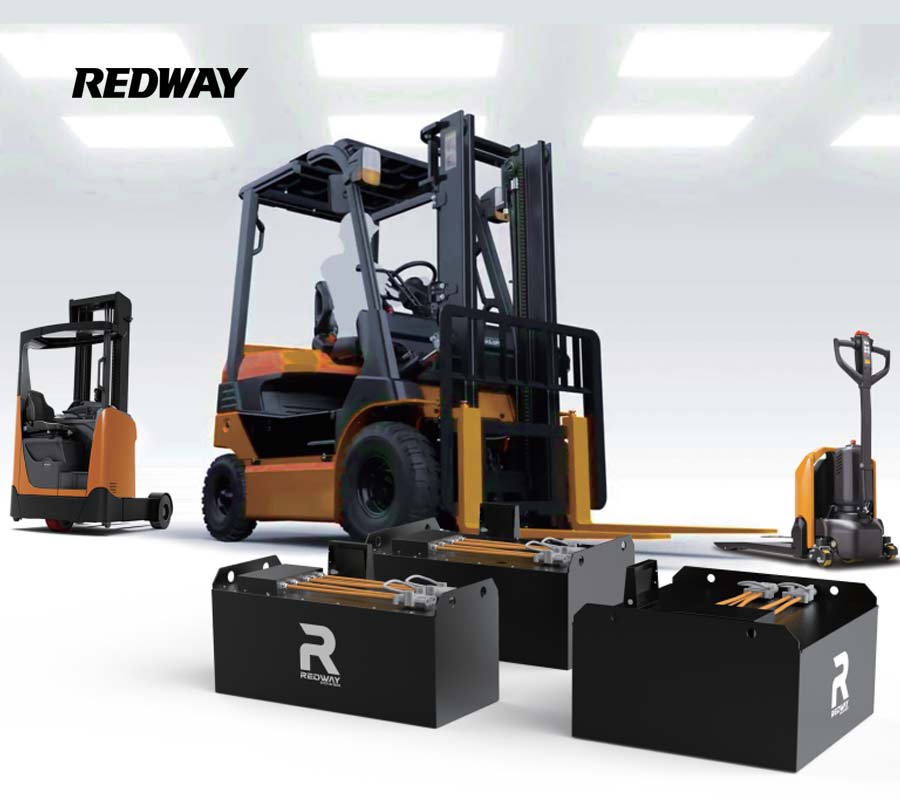
Deciding whether to repair or replace a broken battery hinges on factors like cost, safety risks, and usage context. For lead-acid batteries, repairs (replacing cells) may save 30-50% vs. replacement if casing/BMS are intact. However, lithium-ion packs with thermal damage or deep discharge often require full replacement due to compromised safety. Always prioritize OEM guidelines and warranty terms.
How Much Does a Forklift Battery Really Cost?
How do repair costs compare to new batteries?
Repairs typically cost 40-70% of replacement prices but depend on labor, cell availability, and diagnostic tools. Lead-acid cell swaps average $50-$150 per cell vs. $800-$2K for new industrial units. Lithium repairs are rarer—swapping 1-2 damaged 18650 cells might cost $200+, but full replacements often exceed $1.5K.
Beyond immediate costs, consider hidden factors like downtime. A forklift battery repair taking 48 hours could cost $500 in labor but save $3K versus replacement—unless production delays negate savings. Pro Tip: Use battery analyzers like Midtronics to test internal resistance before committing to repairs. For example, a 48V LiFePO4 pack with two swollen cells might be revived for $400, but if 30% of cells exceed 5mΩ resistance, replacement becomes safer.
When is battery repair unsafe or impractical?
Repairs become high-risk with lithium-ion thermal runaway signs (swelling, leaks) or lead-acid plate sulfation exceeding 50%. Aged batteries (>5 years) often have cumulative wear making spot repairs uneconomical. For context, re-soldering BMS wires on a mildly damaged e-bike battery is feasible, but rebuilding a 400V EV module cracked in collision? Not without OEM-grade facilities.
| Scenario | Repair Viability | Typical Action |
|---|---|---|
| Puffed lithium cells | Dangerous | Replace entire pack |
| Single dead lead-acid cell | High | Swap cell & rebalance |
| BMS communication failure | Moderate | BMS replacement |
What warranties apply to repaired vs. new batteries?
Most manufacturers void warranties if third-party repairs occur. OEM replacements usually carry 1-3 year warranties, while repaired units from certified shops may offer 6-12 months. Interestingly, Tesla’s battery warranty explicitly excludes modules serviced outside their network. Always verify if your forklift lease agreements require OEM-only servicing—violating terms could incur penalties exceeding repair savings.
Can DIY repairs match professional results?
For lead-acid, simple tasks like terminal cleaning or water refilling are DIY-friendly. However, lithium-ion repairs demand spot welders, chemical gloves, and cell matching—equipment costing $1K+ that amateurs rarely own. A DIY attempt to replace a single LiFePO4 cell often creates imbalance, reducing capacity by 15-30%. Pro Tip: Rent battery cell testers from local shops before attempting balance corrections.
| Task | DIY Difficulty | Professional Gear |
|---|---|---|
| Lead-acid cell swap | Moderate | Hydrometer, wrench set |
| Li-ion BMS reset | High | CAN bus analyzer |
| Battery encapsulation | Extreme | Vacuum potting systems |
How does battery chemistry affect repairability?
Nickel-based (NiCd/NiMH) and lead-acid batteries are modular by design, allowing cell-by-cell replacement. Conversely, lithium-ion pouches in EVs/drones are ultrasonically welded—partial repairs risk compromising structural integrity. For example, replacing one LTO cell in a 72V stack requires matching its capacity within 2% of others; otherwise, rapid voltage divergence occurs during charging cycles.
Redway Battery Expert Insight
FAQs
Only if performed by certified shops with cell-matching protocols—homemade “fixes” risk fires. Always demand UN38.3 test reports post-repair.
Do repaired batteries lose capacity?
Yes—even expertly repaired packs lose 5-15% capacity from internal resistance mismatches. Plan for reduced runtime.
Can dealerships detect third-party repairs?
Modern BMS log tamper flags. Tesla’s diagnostic tools automatically void warranties if unauthorized battery work is detected during scans.
For the surrounding sizing, selection, installation and maintenance decisions, continue with the Forklift Battery: Maintenance and Troubleshooting — Part 1.
How to Restore a Forklift Battery: Costs, Methods, and Safety Tips
