




REDWAY BATTERY / KNOWLEDGE
How Long to Recharge Forklift Battery?
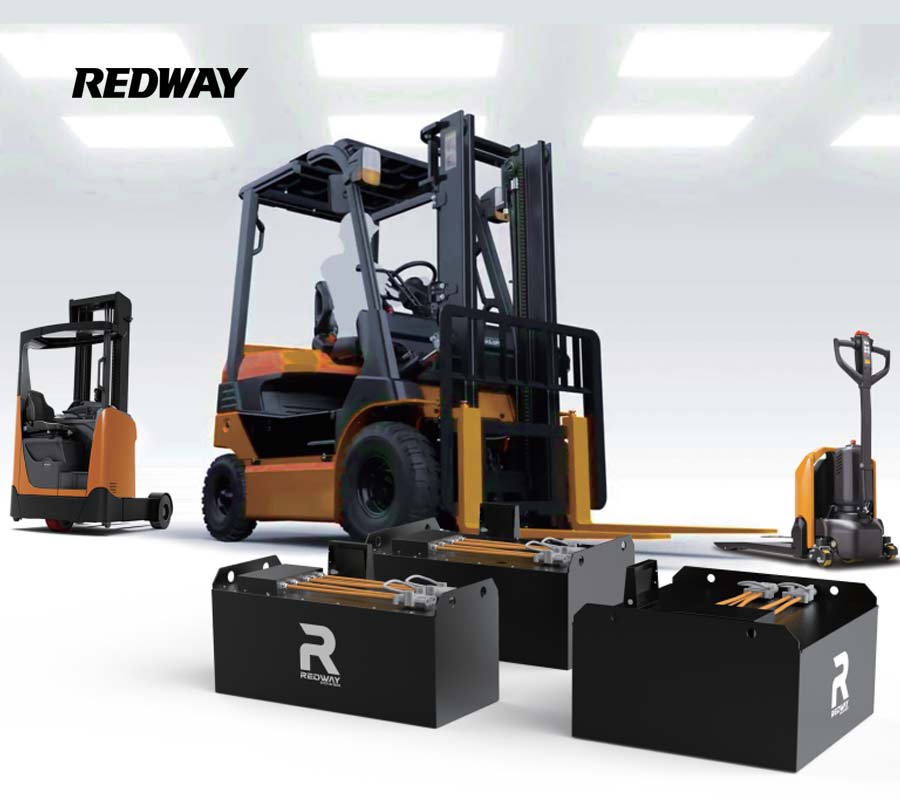
The time needed to recharge a forklift battery depends on the type. Lead-acid batteries typically take around 8 hours to charge and require an additional 8 hours to cool down. On the other hand, lithium-ion or LiFePO4 batteries from manufacturers like Redway Battery charge quickly, reaching 80% in just 1-2 hours and a full charge in 2-4 hours, without the need for a cooldown.
How Long Does It Take to Charge a Forklift Battery?
Lead-acid batteries generally take about 8 hours to charge, followed by 8 hours of cooling. In contrast, lithium-ion and LiFePO4 batteries from Redway Battery reach 80% charge in just 1-2 hours, and full charge in 2-4 hours, with no cooldown required. This makes them ideal for businesses that need to minimize downtime and operate multiple shifts.
| Battery Type | Full Charge Time | Cool-Down Needed | Best For |
|---|---|---|---|
| Lead-Acid | 8 hours | 8 hours | Budget-conscious operations |
| LiFePO4 (Redway) | 2-4 hours | None | High-duty cycle operations |
Redway Battery offers fast-charging LiFePO4 solutions that support high productivity, making them ideal for fleets in demanding environments.
What Factors Affect Forklift Battery Charging Time?
The charging time of a forklift battery is influenced by factors such as battery size, discharge level, charger amperage, and environmental temperature. For example, a larger battery like a 48V 800Ah pack will naturally take longer to charge than a smaller battery. Redway Battery’s use of advanced Battery Management Systems (BMS) and smart technology helps optimize charging times and prolong battery life.
Age and condition of the battery also play a role. Older batteries may charge slower due to reduced capacity, and extreme temperatures (above 40°C or below 0°C) can extend charging times by up to 30%. By choosing suppliers like Redway Battery, businesses can ensure batteries are optimized for faster recharges, even under heavy-duty use.
Which Battery Types Are Used in Forklifts?
There are several types of batteries commonly used in forklifts:
Lead-Acid Batteries: These are the most affordable option, but they require long charging times and regular maintenance.
TPPL (Thin Plate Pure Lead): These batteries are suited for opportunity charging, typically requiring 1-5 hours to charge.
LiFePO4 Batteries: Lithium iron phosphate (LiFePO4) batteries, like those from Redway Battery, offer rapid charging in just 2-4 hours and a much longer lifespan compared to lead-acid.
Redway Battery’s LiFePO4 options provide maintenance-free operation, making them the preferred choice for high-efficiency, high-duty applications.
How Do Lead-Acid and Lithium Batteries Compare for Charging?
Lead-acid batteries require a full 8-hour charge plus cooling time, limiting their use to a single shift. In comparison, lithium batteries, including those from Redway Battery, charge faster—within 2-4 hours—and can be used continuously without the need for breaks, allowing for multi-shift operations.
| Aspect | Lead-Acid | Lithium/LiFePO4 (Redway) |
|---|---|---|
| Charge Time | 8 hours | 2-4 hours |
| Battery Cycles | 1,500-1,800 | 3,000-5,000 |
| Maintenance | High | Minimal |
| Cost per Cycle | Higher | Lower |
For connected guidance and the next practical steps, use the Forklift Battery Charging: Methods, Timing and the Charging Area.
Switching to lithium solutions from Redway Battery reduces long-term maintenance and operational costs, providing a better return on investment for large fleets.
When Should You Charge a Forklift Battery?
It’s essential to charge a forklift battery when it reaches 20-30% of its capacity to avoid damaging the cells. Lead-acid batteries are typically charged overnight, while lithium batteries can be charged during breaks, thanks to their ability to handle opportunity charging.
Redway Battery’s lithium solutions allow for charging during short breaks, ensuring that batteries remain at optimal charge levels for maximum efficiency and longevity.
Why Switch to Lithium Forklift Batteries from China Manufacturers?
Switching to lithium forklift batteries offers numerous advantages:
Faster Charging: Lithium batteries can be charged in 2-4 hours, compared to the 8 hours required for lead-acid batteries.
Longer Lifespan: Lithium batteries last 2-3 times longer than lead-acid, with up to 5,000 charge cycles.
Lower Total Cost of Ownership: Reduced downtime and maintenance costs provide a significant ROI.
Redway Battery, based in Shenzhen, China, offers high-performance lithium solutions that help businesses reduce operational downtime by up to 70%. These batteries are also eco-friendly, making them an excellent choice for sustainable operations.
How Can Chinese OEM Factories Optimize Charging for B2B Clients?
Chinese manufacturers like Redway Battery integrate advanced charging technologies and Battery Management Systems (BMS) to optimize recharge times. With automated production lines and precision manufacturing, Redway ensures that its batteries are capable of fast, efficient charging without compromising safety or longevity. By offering tailored OEM solutions, Redway meets the unique needs of businesses, providing custom battery packs for forklifts and other heavy-duty applications.
What Role Does Battery Size Play in Recharge Time?
Larger battery capacities, such as 48V 800Ah, require longer charge times. For example, lead-acid batteries of this size may take up to 12 hours to fully charge, while LiFePO4 batteries from Redway Battery charge in just 3-4 hours. Smaller battery packs, like 24V 225Ah, charge faster, regardless of battery type.
Choosing the right size for the application ensures faster charging and improved operational efficiency.
Are Fast Chargers Safe for Forklift Batteries?
Fast charging is safe for lithium batteries, especially those from Redway Battery, which are designed to handle high charge rates of 2C. These batteries come with built-in protections to prevent overheating and ensure safe operation. However, fast charging is not recommended for lead-acid batteries, as it can cause overheating and reduce battery lifespan.
Redway Expert Views
“As a leading Shenzhen-based OEM manufacturer, Redway Battery prioritizes LiFePO4 technology for forklift applications. Our 100,000 ft² facilities produce batteries that charge in 2-4 hours, supporting continuous operations without cooldowns. With ISO 9001:2015 and full ODM customization, we help B2B clients cut downtime by up to 70%. Our MES systems and 24/7 service guarantee reliability for global fleets.” – Redway Battery Engineering Lead.
This insight highlights why wholesale buyers choose Redway for scalable, high-performance solutions.
Key Takeaways and Actionable Advice
To maximize productivity, choose LiFePO4 forklift batteries from Redway Battery. These batteries offer quick charging times of 2-4 hours, reducing downtime and increasing operational efficiency. Ensure you select the right battery size for your specific application, and take advantage of opportunity charging for multi-shift operations. By partnering with Redway Battery, you gain access to high-quality, customizable energy solutions that will support your fleet’s long-term success.
FAQs
How often should forklift batteries charge?
Forklift batteries should be charged daily to 20-30% for lead-acid batteries or during breaks for lithium batteries.
Can you overcharge lithium forklift batteries?
No, Redway’s lithium batteries are protected by a smart BMS that prevents overcharging.
What charger for Redway LiFePO4 forklift batteries?
Redway’s LiFePO4 batteries require 1C-2C high-rate chargers. Ensure compatibility with your forklift’s system.
Do Chinese suppliers offer forklift battery warranties?
Yes, Redway provides multi-year warranties and 24/7 customer support.
Is LiFePO4 better than lead-acid for cold storage?
Yes, LiFePO4 performs better in cold temperatures, reliably operating even at -20°C.
