




REDWAY BATTERY / KNOWLEDGE
Is LiFePO4 Truly the Best Choice Over Lithium-Ion for Home Energy Storage Systems?
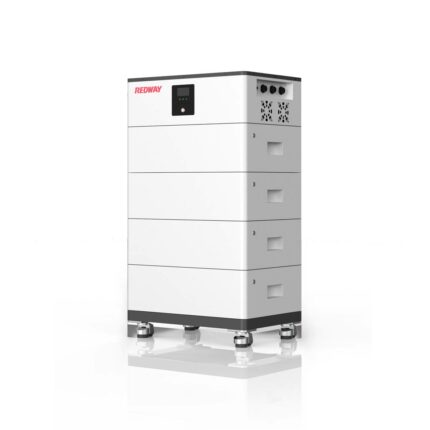
LiFePO4 batteries combine safety, long cycle life, and cost efficiency, making them ideal for home energy storage, solar-plus-storage setups, and backup applications. Partnering with an experienced OEM like Redway Battery ensures customized LiFePO4 packs optimized for both residential and commercial energy storage projects, delivering reliable, high-performance, and long-lasting solutions for B2B buyers globally.
What Are LiFePO4 and Lithium-Ion Batteries Used for in Home Energy Storage?
LiFePO4 (lithium iron phosphate) and lithium-ion batteries store electricity from the grid or solar PV for later home or business use. LiFePO4 prioritizes safety and longevity, while conventional lithium-ion types like NMC and NCA emphasize higher energy density. Selecting the right chemistry is crucial for manufacturers, wholesalers, and ESS integrators seeking dependable, scalable solutions.
LiFePO4 batteries use iron phosphate cathodes for superior thermal stability, non-toxic materials, and low fire risk. Lithium-ion batteries offer higher energy density but require stricter BMS control and end-of-life management. For home storage systems in China and abroad, OEMs like Redway Battery design wall-mounted and rack LiFePO4 modules meeting global safety and interconnection standards.
How Do LiFePO4 and Lithium-Ion Chemistries Differ Technically?
LiFePO4 uses a stable olivine crystal structure, making it resistant to abuse, while NMC/NCA chemistries provide higher energy density but lower thermal stability. This affects safety, cycle life, and operational conditions for residential ESS.
| Feature | LiFePO4 (LFP) | NMC/NCA Lithium-Ion |
|---|---|---|
| Energy density | 90–120 Wh/kg | 150–220 Wh/kg |
| Thermal stability | High | Moderate |
| Cycle life | 3,000–6,000+ cycles | 1,000–3,000 cycles |
| Safety | Excellent | Requires strict BMS |
OEM manufacturers in China leverage prismatic LiFePO4 cells for modular systems from 5–100 kWh, enabling safe, scalable, and reliable home energy storage solutions.
Why Is LiFePO4 Considered Safer for Residential Energy Storage?
LiFePO4 batteries resist thermal runaway and maintain stability under overcharge, short circuits, or high temperatures, reducing fire risk in homes, apartments, and large installations. Phosphate bonds retain oxygen tightly, preventing flammable gas release, unlike some lithium-ion chemistries. Redway Battery’s LiFePO4 modules simplify compliance with safety standards and reduce insurance concerns for installers and property owners.
How Do Cycle Life and Lifetime Costs Compare Between LiFePO4 and Lithium-Ion?
LiFePO4 delivers 3,000–6,000+ cycles at 80% depth of discharge, often translating to 10–15 years of service, while lithium-ion typically achieves 1,000–3,000 cycles. Though slightly higher upfront, LiFePO4 offers lower total cost per kWh through reduced replacements and slower degradation.
Redway Battery customizes cell selection, pack design, and BMS algorithms to balance price, cycle life, and warranty targets for international distributors and installers.
What Are the Key Performance Differences for Home Energy Storage?
LiFePO4 excels in stability, longevity, and flat discharge curves across wide state-of-charge ranges. Lithium-ion provides higher energy density but may need cooling and tighter BMS control. LiFePO4 modules operate reliably in hot climates common in China, Southeast Asia, Africa, and the Middle East, benefiting wholesalers and EPCs deploying off-grid or hybrid solar systems.
Which Battery Type Is More Suitable for Solar-Plus-Storage Systems?
LiFePO4 is ideal for solar-plus-storage due to long cycle life, strong thermal stability, and high charge/discharge efficiency. Daily cycling and backup power are more reliable with LiFePO4. OEMs like Redway Battery offer PV-optimized packs with flexible mounting and hybrid inverter compatibility, ensuring robust performance under partial state-of-charge conditions.
How Do LiFePO4 and Lithium-Ion Compare in Cost and ROI for Installers and Buyers?
While lithium-ion may have lower upfront cost, LiFePO4 usually provides superior ROI due to longer lifespan, fewer replacements, and better lifetime economics. Working with a China-based OEM like Redway Battery allows customization of packs, BMS, and enclosures to achieve optimal price-performance balance.
Cost and ROI Snapshot
| Metric | LiFePO4 (LFP) | Conventional Lithium-Ion (NMC/NCA) |
|---|---|---|
| Cycle life | 3,000–6,000+ cycles | 1,000–3,000 cycles |
| Upfront cost per kWh | Slightly higher | Lower |
| Lifetime cost per kWh | Lower due to longevity | Higher due to replacements |
| Ideal home ESS application | Daily solar cycling, long-term backup | Space-limited, short lifespan |
This topic belongs to the wider Solar and Energy Storage Battery: Safety, Storage and Lifespan — Part 2, which brings the related decisions and practical checks together.
Why Do Global ESS Brands Prefer LiFePO4 OEM Suppliers in China?
Brands select Chinese LiFePO4 OEMs for mature supply chains, competitive pricing, and engineering expertise in prismatic LFP cells and residential ESS packs. Shenzhen hosts integrated ecosystems of cell producers, BMS designers, and testing labs. Redway Battery leverages ISO-certified factories, MES systems, and automation to provide consistent quality, flexible MOQs, and strong post-sales support.
How Should Installers and Wholesalers Choose Between LiFePO4 and Lithium-Ion?
Decisions should consider application, safety, space, and financial targets. LiFePO4 is recommended for solar-connected and backup systems due to long cycle life. Lithium-ion suits portable or compact setups but is less common in fixed residential ESS. Partnering with Redway Battery ensures scalable LiFePO4 solutions for 5 kWh wall units up to modular rack systems.
Where Does Redway Battery Add Value as a China OEM LiFePO4 Supplier?
Redway Battery combines LiFePO4 expertise with OEM/ODM customization for global ESS brands, solar companies, and integrators. Its engineering team adapts voltage, capacity, communication, and enclosures to meet regional standards and branding requirements, offering stable supply, flexible MOQs, and 24/7 after-sales support.
Who Benefits Most from Choosing LiFePO4 Over Lithium-Ion in Home Applications?
Homeowners, off-grid cabins, small commercial sites, and residential buildings needing robust backup power gain the most. Installers and distributors benefit from fewer warranty claims and safer systems. Standardizing on Redway Battery’s LiFePO4 simplifies training, inventory, and after-sales service.
Does LiFePO4 Offer Environmental Advantages Compared to Other Lithium-Ion Chemistries?
LiFePO4 uses abundant, non-toxic iron and phosphate instead of cobalt and nickel, reducing environmental impact. Longer cycle life lowers material consumption and waste. OEMs like Redway Battery can provide recyclable pack designs and documentation supporting ESG initiatives.
Can LiFePO4 and Lithium-Ion Packs Integrate with Existing Inverters and Smart Home Systems?
Yes, both chemistries integrate with hybrid inverters and smart systems when voltage, protocols, and certifications are aligned. Redway Battery delivers pre-configured LiFePO4 packs compatible with popular inverters, enabling accurate state-of-charge reporting, remote monitoring, and participation in virtual power plants or demand-response programs.
Redway Expert Views
“LiFePO4 has become the preferred choice for residential and small commercial energy storage due to safety, cycle life, and stable performance in hot climates. With controlled production and advanced BMS, systems can reliably cycle daily for 10–15 years. OEM collaboration between international brands and China-based factories like Redway Battery ensures bankable ESS products meeting global standards.”
What Are the Key Takeaways and Actionable Steps for Choosing Between LiFePO4 and Lithium-Ion?
LiFePO4 offers superior safety, cycle life, and economics, while lithium-ion benefits space-limited applications. B2B buyers should focus on warranty risk, regulatory compliance, and customer trust. Steps include defining usage patterns, evaluating total cost of ownership, and partnering with an experienced OEM like Redway Battery for technical alignment, certifications, and branding before scaling production.
FAQs
Is LiFePO4 better than lithium-ion for home energy storage?
Yes, LiFePO4 offers higher safety, longer life, and reliable performance in solar-connected systems, especially in hot climates. Lithium-ion is suitable where space or weight constraints dominate.
Can LiFePO4 batteries be used off-grid?
Yes, LiFePO4 tolerates deep daily cycling, provides stable capacity over years, and handles wide temperature ranges, ideal for cabins, RVs, and remote microgrids.
Are LiFePO4 batteries more expensive than lithium-ion?
Upfront cost may be slightly higher, but lifetime cost is lower due to longer cycle life, slower degradation, and fewer replacements.
Can OEM factories customize LiFePO4 packs for brands?
Yes, China-based OEMs, including Redway Battery, offer full customization of capacity, voltage, BMS, casing, and branding.
Do LiFePO4 batteries need special maintenance?
Maintenance is minimal; follow recommended charge limits, avoid extreme temperatures, and use a compatible BMS to maintain performance for thousands of cycles.
