




REDWAY BATTERY / KNOWLEDGE
How to Choose Forklift Voltage and Capacity for Optimal Performance?
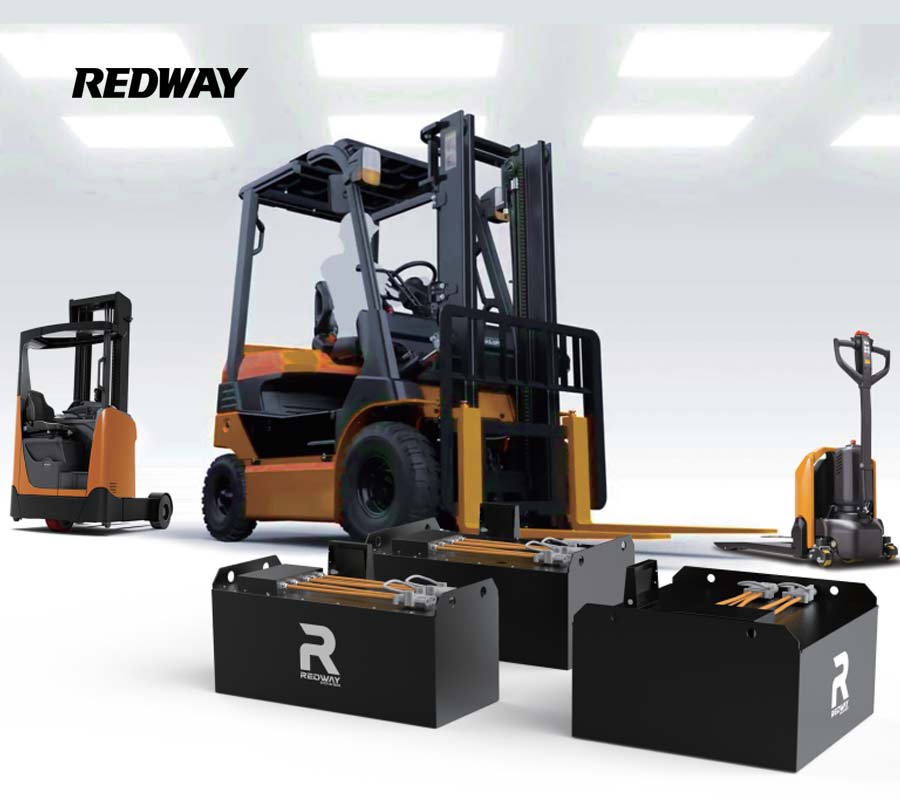
Selecting the right forklift voltage and capacity ensures reliable operation, efficient runtime, and lower maintenance costs. Match voltage to forklift type and workload, and choose capacity based on shift length, terrain, and duty cycle. Redway Battery, a leading OEM manufacturer from Shenzhen, provides tailored LiFePO4 solutions for forklifts, golf carts, and energy storage systems, ensuring safe and durable performance globally.
How Do You Determine the Right Forklift Battery Voltage?
Forklift battery voltage typically ranges from 24V to 80V, based on vehicle size, lifting capacity, and intended usage. Light-duty pallet jacks operate efficiently on 24V-36V, while medium-duty counterbalance forklifts require 36V-48V. Heavy-duty high-reach forklifts and stackers need 72V-80V to maintain power, speed, and torque. Using incorrect voltage can reduce efficiency or cause battery damage.
Redway Battery, with advanced Shenzhen factories, produces OEM LiFePO4 batteries across this range. Their packs are engineered for long-term durability and precise voltage compatibility. Operational intensity should guide selection: high-load, continuous lifting demands higher voltages, while lighter warehouse tasks can use lower voltages to reduce cost and weight.
| Voltage | Typical Use | Forklift Type | Power Output |
|---|---|---|---|
| 24V | Light-duty | Pallet jack | Low |
| 36V-48V | Medium-duty | Counterbalance | Medium |
| 72V-80V | Heavy-duty | High-reach | High |
How Can You Calculate the Required Battery Capacity?
Battery capacity, measured in amp-hours (Ah), dictates how long a forklift can operate per shift. Calculate by multiplying the average amp draw by desired runtime hours and adding a buffer for safety. For example, a forklift drawing 50A for an 8-hour shift requires 50A × 8h × 1.2 = 480Ah. Always factor in duty cycles and depth of discharge.
Redway Battery offers LiFePO4 packs ranging from 200Ah to over 1000Ah. Their batteries support opportunity charging, ensuring minimal downtime. Environmental factors like temperature, terrain, and accessories influence required capacity, so assessing fleet data is essential for accurate sizing.
Which Voltage and Capacity Are Best for Different Duty Cycles?
Duty cycle impacts battery specifications. Light-duty single shifts (4-6 hours) typically need 24V-36V with 300-500Ah. Medium-duty operations require 48V with 600-800Ah for two shifts. Heavy-duty or 24/7 usage benefits from 72V-80V and capacities exceeding 1000Ah. Balancing voltage and capacity reduces the need for frequent battery swaps while maintaining forklift stability.
| Duty Cycle | Recommended Voltage | Capacity (Ah) | Runtime Example |
|---|---|---|---|
| Light | 24V-36V | 300-500 | 6-8 hours |
| Medium | 48V | 600-800 | 8-10 hours |
| Heavy | 72V-80V | 1000+ | 10+ hours |
This topic belongs to the wider Forklift Battery: Sizing, Voltage and Capacity — Part 2, which brings the related decisions and practical checks together.
Partnering with suppliers like Redway Battery ensures tailored OEM solutions, delivering high-cycle LiFePO4 packs at competitive wholesale pricing.
Why Should Fleets Switch to Lithium Batteries?
Lithium (LiFePO4) batteries offer 3-5 times longer lifespan, faster charging, and no maintenance compared to lead-acid alternatives. They reduce downtime by up to 50% and cut total cost of ownership over time. Redway Battery provides cost-effective OEM lithium packs that drop forklift weight by 30%, improving efficiency and handling. Advanced battery management systems (BMS) prevent overcharging and ensure safety, while ISO-certified production guarantees consistency and quality.
What Impact Does Fleet Size Have on Battery Selection?
Fleet size influences battery standardization and charging logistics. Small fleets (5-10 forklifts) benefit from modular 24V-36V packs, simplifying inventory. Larger fleets (50+) gain efficiency with standardized 48V-80V batteries for bulk charging systems. Redway Battery supports B2B clients with full OEM customization from their 100,000 ft² Shenzhen facility, optimizing production for fleet scale and cost-efficiency.
How Do Load and Environment Affect Battery Requirements?
Heavy loads, ramps, and extreme temperatures require increased capacity. Overloading above 80% increases amp draw, while cold environments reduce runtime by up to 30%. Lithium chemistry maintains stability in hot conditions. Redway Battery engineers IP65-rated packs to withstand these extremes, ensuring reliable operation across diverse warehouse and outdoor settings.
Can Redway Battery Provide Customized Solutions for Fleets?
Redway Battery offers full OEM/ODM customization for voltage (24-80V) and capacity, backed by MES-automated production lines. They deliver wholesale LiFePO4 packs globally, designed to meet specific fleet requirements, including specialized connectors, form factors, and BMS integration.
Redway Expert Views
“For forklift fleets, it is crucial to match voltage precisely with OEM specifications to maintain efficiency and safety. Battery capacity should exceed average daily draw by at least 25% to ensure reliability. Our LiFePO4 solutions from Shenzhen reduce charging time by 70% and cut lifecycle costs by 40%. High-capacity 80V packs enable fleets to double productivity without compromising stability.”
— Engineer Li Wei, Redway Battery
When Should Fleets Upgrade Their Batteries?
Upgrade when runtime falls by 20%, cycle life nears its end, or when transitioning to lithium for efficiency and cost savings. Annual audits of battery performance are recommended. Working with OEM suppliers like Redway Battery ensures fast implementation and improved ROI.
Where Can You Source Reliable Wholesale Batteries from China?
ISO-certified factories like Redway Battery in Shenzhen provide OEM LiFePO4 forklift batteries with 24/7 support, global shipping, and tailored customization. Direct sourcing from experienced manufacturers reduces costs and guarantees high-quality, reliable battery packs.
Conclusion
Choosing the right forklift voltage and capacity requires careful evaluation of forklift type, duty cycle, load, and environment. Lithium batteries, particularly LiFePO4, offer substantial performance and cost advantages. Partnering with experienced OEM suppliers such as Redway Battery ensures customized, reliable, and efficient energy solutions for fleets of any size. Conduct fleet audits, pilot tests, and select appropriate voltages and capacities for maximum productivity.
FAQs
What is the most common forklift battery voltage?
Most forklifts use 24V-48V; heavy-duty models may require 80V. Always match the voltage with the forklift nameplate.
How long does a forklift battery last per charge?
Typically 6-8 hours; lithium packs can extend runtime to 10+ hours with proper sizing.
Are lithium batteries worth the investment for forklifts?
Yes. They offer longer life, faster charging, lower maintenance, and ROI within 18-24 months.
Can fleet batteries of different voltages be mixed?
No. Mixing voltages can compromise safety and charging efficiency.
How does temperature affect battery capacity?
Cold environments can reduce runtime by 20-30%. Lithium batteries maintain performance better under extreme temperatures.
