




REDWAY BATTERY / KNOWLEDGE
How Integrated Lithium Battery Systems Are Transforming Electric Sightseeing Vehicles
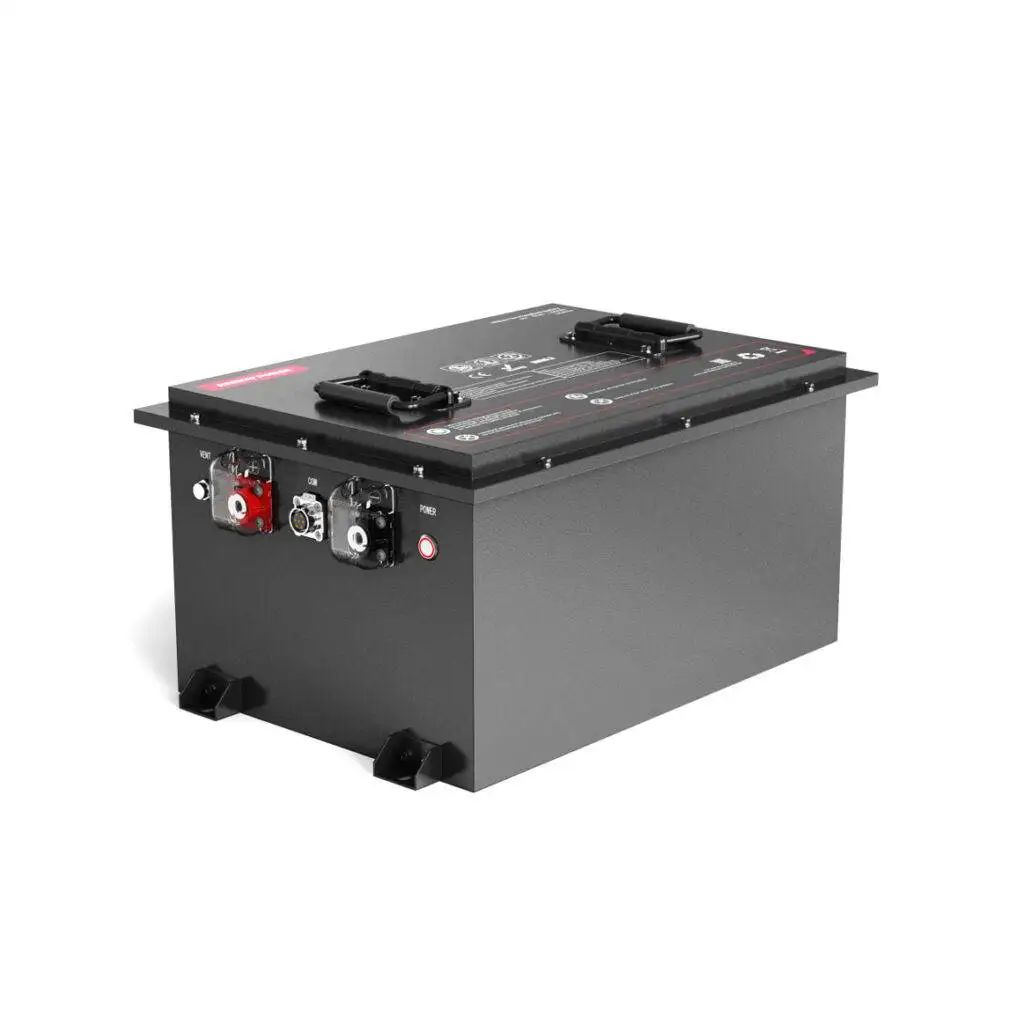
Electric sightseeing vehicles are rapidly shifting from lead‑acid to integrated lithium battery systems, driven by demand for longer range, faster charging, and lower maintenance. These vehicles now rely on compact, high‑energy LiFePO4 packs with embedded Battery Management Systems (BMS) that improve safety, extend cycle life, and reduce total cost of ownership. Redway Battery, a Shenzhen‑based OEM specializing in LiFePO4 solutions for golf carts, forklifts, RVs, and energy storage, has become a key supplier of integrated lithium battery systems for electric sightseeing fleets worldwide.
How Is the Sightseeing Vehicle Market Changing?
Tourism and urban mobility operators are replacing combustion‑engine and older electric shuttles with zero‑emission sightseeing vehicles to meet tightening emissions regulations and rising visitor expectations for quiet, smooth rides. The global electric golf cart and low‑speed vehicle market, which overlaps heavily with sightseeing shuttles, is projected to grow at roughly 6–8% annually through the late 2020s, fueled by theme parks, resorts, campuses, and municipal fleets.
At the same time, operators report that battery‑related issues—short range, frequent downtime, and high replacement costs—rank among the top three operational constraints. Lead‑acid batteries, which still dominate many legacy fleets, typically last 300–500 cycles and require regular watering, equalization charging, and replacement every 2–3 years, creating recurring labor and material expenses.
What Are the Main Pain Points of Current Battery Systems?
Limited range and unpredictable performance
Most traditional sightseeing vehicles using lead‑acid packs struggle to complete full‑day tours without midday charging or battery swaps, especially in hot climates or hilly terrain. Voltage sag under load and capacity fade over time mean that operators often must derate vehicle availability or reduce passenger loads to avoid stranding.
High maintenance and safety risks
Lead‑acid systems require periodic electrolyte checks, terminal cleaning, and ventilation to manage hydrogen off‑gassing, increasing maintenance hours and safety training needs. Thermal runaway and acid spills, while rare, remain concerns in enclosed garages or crowded depots, pushing operators to seek inherently safer chemistries.
Short cycle life and total‑cost pressure
With typical lifespans under 500 cycles, lead‑acid batteries force fleets to budget for multiple replacements over a vehicle’s 8–10‑year service life. When combined with energy inefficiency (round‑trip efficiency often below 70%), this drives up electricity, labor, and disposal costs, squeezing already thin margins in tourism and municipal operations.
How Do Traditional Solutions Fall Short?
Lead‑acid retrofits
Many operators try to extend existing vehicles by simply swapping old lead‑acid blocks with newer ones, but this does nothing to address weight, efficiency, or cycle‑life limitations. The result is a heavier, slower‑charging vehicle that still requires frequent downtime and maintenance, with little improvement in daily utilization.
Early‑generation lithium packs
Some fleets adopt first‑generation lithium‑ion packs that lack robust BMS, thermal management, or proper integration with the vehicle’s controller and charger. These systems often suffer from cell imbalance, overheating in stop‑and‑go duty cycles, and premature degradation, undermining the promised “set‑and‑forget” advantage of lithium.
Off‑the‑shelf, non‑OEM modules
Generic lithium modules may fit mechanically but do not match the vehicle’s voltage, current, or communication requirements, forcing operators to add external relays, custom wiring, or third‑party monitoring tools. This increases integration risk, complicates warranty claims, and makes it harder to scale across large fleets.
What Does an Integrated Lithium Battery System Offer?
An integrated lithium battery system for electric sightseeing vehicles combines a LiFePO4 cell pack, embedded BMS, thermal management, and communication interfaces into a single, vehicle‑specific module that plugs directly into the OEM or upgraded chassis. Redway Battery designs such systems around 12 V, 24 V, 36 V, 48 V, 60 V, and 72 V architectures, aligning with common sightseeing‑vehicle and golf‑cart platforms.
Core functions and capabilities
High‑cycle LiFePO4 chemistry: Packs rated for 2,000–4,000+ cycles at 80% depth of discharge, enabling 5–8 years of daily use in typical sightseeing‑vehicle duty cycles.
Integrated BMS: Real‑time monitoring of cell voltage, temperature, and current; active balancing; and protection against overcharge, overdischarge, short circuit, and overtemperature.
Fast charging and high efficiency: Round‑trip efficiency above 90%, with charge times often under 2–4 hours using compatible chargers, reducing overnight and midday charging windows.
Compact, lightweight design: LiFePO4 packs typically weigh 40–60% less than equivalent lead‑acid banks, improving vehicle handling, braking, and passenger comfort.
OEM‑style integration: Pre‑wired harnesses, CAN or RS‑485 interfaces, and configurable SOC/SOH reporting simplify integration with vehicle controllers and fleet‑management systems.
Redway Battery’s integrated lithium systems for golf carts and low‑speed vehicles already deliver extended range, faster charging, and reduced weight compared with traditional lead‑acid batteries, making them a natural fit for electric sightseeing shuttles.
How Does an Integrated System Compare with Traditional Batteries?
The following table contrasts a typical integrated lithium battery system (such as those supplied by Redway Battery) with conventional lead‑acid solutions for electric sightseeing vehicles.
| Feature | Traditional lead‑acid | Integrated lithium (LiFePO4) |
|---|---|---|
| Typical cycle life | 300–500 cycles | 2,000–4,000+ cycles |
| Round‑trip efficiency | ~65–75% | ~90–95% |
| Charge time (0–100%) | 6–10 hours | 2–4 hours with compatible charger |
| Weight per kWh | ~25–30 kg/kWh | ~10–15 kg/kWh |
| Maintenance needs | Regular watering, cleaning, equalization | Virtually maintenance‑free |
| Safety profile | Risk of acid spills, hydrogen off‑gassing | Stable LiFePO4 chemistry with integrated BMS protection |
| Total‑cost‑of‑ownership over 5 years | Higher due to frequent replacements and energy loss | Lower despite higher upfront cost |
Redway Battery’s LiFePO4 systems for golf carts and similar platforms already demonstrate these advantages in practice, providing longer range, faster charging, and reduced weight versus lead‑acid, which translates directly into higher vehicle uptime and lower operating costs for sightseeing fleets.
How Do You Implement an Integrated Lithium Battery System?
Deploying an integrated lithium battery system for electric sightseeing vehicles follows a structured, repeatable process that can be scaled across a fleet.
Assess vehicle and duty cycle
Document voltage, current, and power requirements for each vehicle model.
Map typical daily routes, passenger loads, and charging windows to size capacity and peak‑power needs.
Select or customize the lithium pack
Choose a standard LiFePO4 module (e.g., 48 V, 60 V, or 72 V) or work with an OEM such as Redway Battery to tailor voltage, capacity, and mechanical dimensions.
Confirm BMS features, communication protocols, and environmental ratings (temperature range, IP protection).
Integrate with vehicle and charger
Install the pack using OEM‑style brackets and harnesses; connect BMS signals to the vehicle controller and charger.
Calibrate SOC/SOH reporting and verify protection thresholds (overvoltage, undervoltage, overcurrent, overtemperature).
Test and commission
Run a series of loaded test cycles to validate range, charging behavior, and thermal performance.
Train maintenance staff on lithium‑specific procedures and safety checks.
Monitor and scale
Use BMS or fleet‑management software to track cycle counts, capacity fade, and fault logs across the fleet.
Roll out the same integrated solution to additional vehicles once baseline performance is confirmed.
Redway Battery supports full OEM/ODM customization, including tailored voltages, capacities, and communication interfaces, ensuring that each integrated lithium system aligns precisely with the sightseeing‑vehicle platform and operator requirements.
Which Scenarios Benefit Most from Integrated Lithium Systems?
1. Theme‑park shuttle fleets
Problem: High‑density parks run dozens of shuttles continuously, but lead‑acid batteries require multiple daily charges and frequent replacements, limiting vehicle availability.
Traditional做法: Rotate vehicles in and out of service for charging and battery swaps, often during peak hours.
After integrated lithium: With 2,000–4,000+ cycle LiFePO4 packs and fast charging, each shuttle can complete a full day on a single charge and return to service in under 2–4 hours overnight.
Key benefits: Higher vehicle utilization, fewer spare vehicles needed, and lower labor for battery handling.
2. Resort and hotel transportation
Problem: Resorts operate small fleets of electric shuttles between parking lots, beaches, and villas, but inconsistent range and long charging times create guest‑service gaps.
Traditional做法: Keep extra vehicles on standby and schedule fixed charging blocks, sometimes leaving guests waiting.
After integrated lithium: Integrated LiFePO4 systems provide predictable range and rapid top‑ups, enabling flexible, on‑demand service without fixed charging windows.
Key benefits: Improved guest experience, reduced fleet size, and lower electricity and maintenance costs.
3. Municipal tourist trams and trams
Problem: City‑run tourist trams must run all day with minimal downtime, but lead‑acid batteries often require midday charging or battery changes, disrupting service.
Traditional做法: Plan routes around depot locations and charging times, limiting route flexibility and frequency.
After integrated lithium: High‑cycle LiFePO4 packs with integrated BMS allow continuous daytime operation and overnight fast charging, supporting more frequent departures and longer routes.
Key benefits: More reliable service, better route planning, and lower total‑cost‑of‑ownership over the vehicle’s lifetime.
4. Campus and heritage‑site shuttles
Problem: Universities and heritage sites use small electric shuttles to reduce emissions and noise, but short battery life and maintenance demands strain limited maintenance budgets.
Traditional做法: Schedule weekly battery checks and periodic replacements, diverting staff from other tasks.
After integrated lithium: Maintenance‑free LiFePO4 packs with long cycle life reduce the need for routine checks and extend intervals between replacements.
Key benefits: Lower maintenance workload, reduced operating costs, and quieter, more sustainable operations that align with campus or heritage‑site sustainability goals.
Redway Battery’s experience supplying LiFePO4 solutions for golf carts, forklifts, RVs, and energy storage positions it as a strong partner for these sightseeing‑vehicle applications, offering scalable, high‑performance packs backed by automated production and 24/7 after‑sales support.
How Will Integrated Lithium Systems Shape the Future?
As cities and tourism operators push for net‑zero emissions and quieter, more efficient transport, integrated lithium battery systems are becoming the default choice for electric sightseeing vehicles. Regulatory pressure, rising electricity prices, and the need for predictable service are accelerating the shift away from lead‑acid and toward LiFePO4‑based solutions that combine long life, high efficiency, and low maintenance.
OEMs and fleet operators that adopt integrated lithium systems now can lock in lower total‑cost‑of‑ownership, simplify maintenance, and future‑proof their fleets against stricter environmental standards. Redway Battery, with its 13+ years of lithium manufacturing experience, four advanced factories, and ISO 9001:2015 certification, is well positioned to supply customized, high‑performance integrated lithium battery systems for electric sightseeing vehicles at scale.
Does an Integrated Lithium Battery System Make Sense for My Fleet?
1. Is an integrated lithium battery system more expensive upfront than lead‑acid?
Yes, the initial purchase price per kWh is typically higher for lithium, but the longer cycle life, higher efficiency, and lower maintenance usually result in a lower total‑cost‑of‑ownership over 5–8 years.
2. Can I retrofit existing sightseeing vehicles with an integrated lithium system?
Most low‑speed electric vehicles can be retrofitted if the chassis and controller support the target voltage and current; many OEMs, including Redway Battery, offer retrofit‑ready LiFePO4 packs and integration support.
3. How long does an integrated lithium battery last in a sightseeing‑vehicle duty cycle?
LiFePO4 packs rated for 2,000–4,000+ cycles at 80% depth of discharge can typically last 5–8 years of daily use in typical sightseeing‑vehicle duty cycles, depending on charging habits and temperature conditions.
4. Do I need special chargers for integrated lithium systems?
Yes; integrated lithium systems require compatible chargers that match the pack’s voltage, current, and charging profile; many suppliers, including Redway Battery, offer matched charger solutions and integration guidance.
5. How does an integrated lithium system improve safety compared with lead‑acid?
LiFePO4 chemistry is inherently more stable than other lithium‑ion variants, and integrated BMS protection reduces risks of overcharge, overdischarge, and thermal runaway, while eliminating acid spills and hydrogen off‑gassing.
Sources
Redway Battery: Golf Cart LiFePO4 Batteries product page
Redway Power: lithium iron phosphate battery system for residential use (PV Magazine)
Redway Battery Tech: China LiFePO4 battery wholesale supplier overview
Redway Power: OEM lithium batteries, LiFePO4 battery factory profile
Redway Battery Group: lithium golf cart battery brochure (ENF Solar)
This topic belongs to the wider Golf Cart Battery: Technology and System Fundamentals — Part 1, which brings the related decisions and practical checks together.
