




REDWAY BATTERY / KNOWLEDGE
How Grade A Cell Lithium Battery Packs Are Transforming Golf Cart Systems?
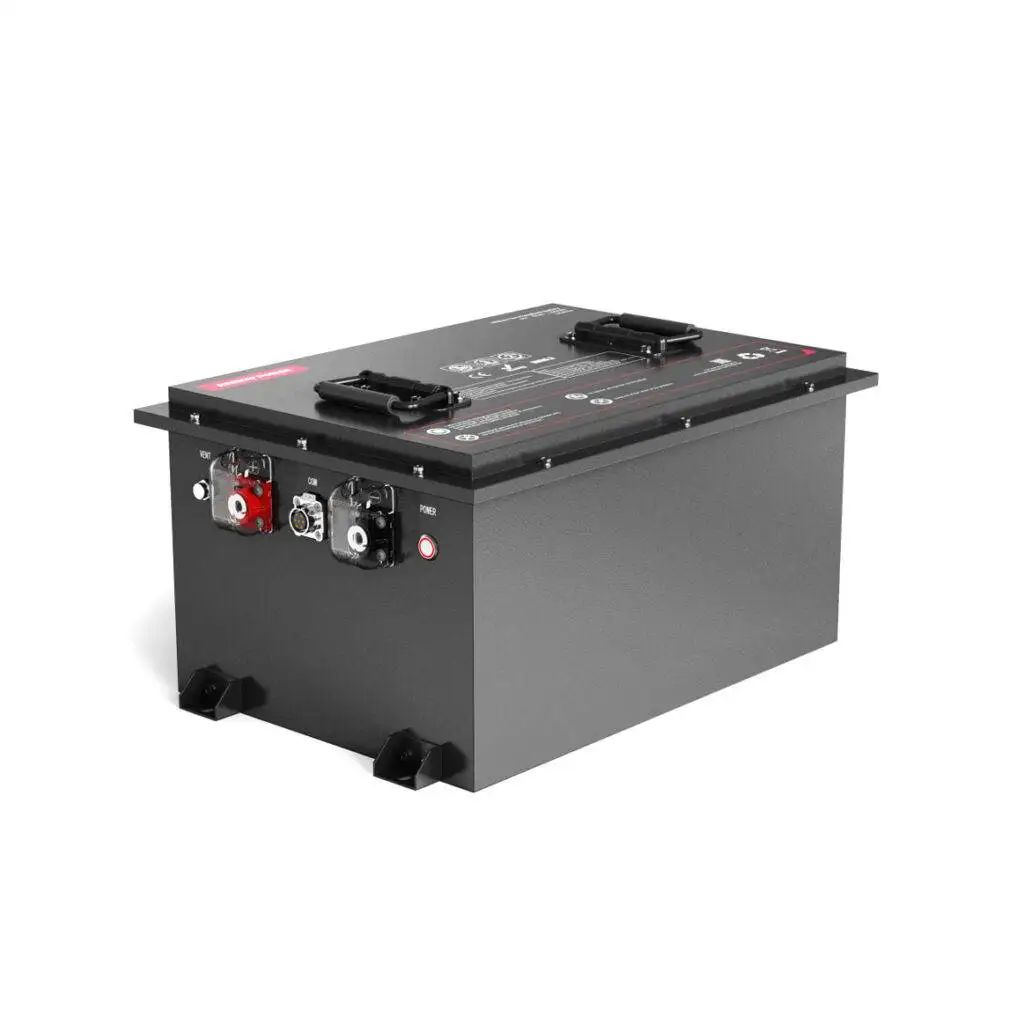
Grade A cell lithium battery packs are rapidly becoming the standard power source for modern golf cart systems, offering longer cycle life, higher energy density, and lower maintenance compared to traditional lead‑acid batteries. For golf courses, resorts, and fleet operators, upgrading to high‑quality lithium‑ion packs can reduce total cost of ownership by 30–50% over a 5‑year period while improving uptime and range per charge. Redway Battery, a trusted OEM lithium battery manufacturer based in Shenzhen, China, has positioned itself as a key supplier of LiFePO4 battery packs tailored specifically for golf carts, forklifts, RVs, telecom, solar, and energy storage systems.
How is the golf cart battery market evolving today?
The global golf cart battery market is projected to grow at a compound annual growth rate of around 6–7% through 2030, driven by the electrification of golf courses, gated communities, resorts, and last‑mile logistics. Industry reports estimate that the market was valued in the mid‑hundreds of millions of dollars in 2025 and is expected to exceed USD 200 million by 2030, reflecting strong demand for cleaner, quieter, and more efficient electric vehicles. Despite this growth, operators still face significant pain points around battery lifespan, charging time, and replacement costs.
One major constraint is that over 40% of golf cart manufacturers report high battery replacement costs as a primary operational burden, with many fleets cycling through multiple lead‑acid packs before the vehicle reaches end‑of‑life. Another challenge is uneven performance: some carts in a fleet may lose capacity quickly due to poor charge management, leading to inconsistent range and unplanned downtime during peak hours. These issues directly impact course operations, customer experience, and bottom‑line profitability.
What are the main pain points operators face with current golf cart batteries?
Many golf courses and resorts still rely on flooded or AGM lead‑acid batteries because of their lower upfront price. However, these batteries typically deliver only 300–500 cycles under deep‑discharge conditions, which translates into frequent replacements every 2–3 years. In practice, this means operators must budget for new battery packs on a recurring basis, often during busy seasons, which disrupts scheduling and increases labor costs.
Another widespread issue is weight and handling. Lead‑acid packs can weigh 120–180 kg per cart, making installation, removal, and maintenance physically demanding and time‑consuming. Heavy batteries also affect vehicle balance and tire wear, especially on hilly or uneven terrain. Operators frequently report that staff fatigue and safety concerns increase when manually lifting and positioning these packs.
Finally, charging inefficiency is a hidden cost driver. Lead‑acid batteries require long charging windows (8–12 hours) and are sensitive to over‑ or under‑charging, which accelerates degradation. Many facilities lack smart chargers or battery management systems, so staff must manually monitor charge levels and schedules, increasing the risk of human error and premature failure.
Why do traditional solutions fall short for modern golf cart fleets?
Lead‑acid batteries are still widely used, but their limitations become apparent when operators compare total cost of ownership. Although a single lead‑acid pack may cost 30–50% less upfront than a comparable lithium pack, the need for 2–3 replacements over the same period often makes lithium more economical in the long run. Additionally, lead‑acid batteries suffer from significant capacity fade after only a few hundred cycles, especially when regularly discharged below 50%.
Nickel‑metal hydride (NiMH) packs, while lighter and more durable than lead‑acid, occupy a small niche in the golf cart market due to higher cost and relatively modest improvements in cycle life. They also generate more heat during charging and require careful thermal management, which adds complexity without delivering the same performance leap as lithium‑ion technology.
Even early‑generation lithium‑ion packs can disappoint if they use lower‑grade cells or lack robust battery management. Some operators report inconsistent performance across carts, unexplained voltage drops, or reduced range after only a year of use. These experiences reinforce skepticism about lithium adoption unless the solution is clearly engineered for heavy‑duty, deep‑cycle applications.
How do Grade A cell lithium battery packs solve these problems?
Grade A cell lithium battery packs for golf cart systems are built using premium lithium‑ion or lithium iron phosphate (LiFePO4) cells that meet strict quality and consistency standards. These packs typically offer 2,000–5,000 cycles at 80% depth of discharge, which can extend usable life to 8–10 years under normal fleet conditions. That translates into fewer replacements, lower labor costs, and more predictable budgeting for operators.
Key technical advantages include:
Higher energy density: Lithium packs deliver more usable energy per kilogram, allowing longer range without increasing weight.
Faster charging: Many lithium systems support 2–3 hour full charges, enabling quick turnaround between rounds or shifts.
Deeper discharge capability: LiFePO4 batteries can safely discharge to 80–90% without significant degradation, compared with 50% for lead‑acid.
Integrated BMS: Advanced battery management systems monitor voltage, current, temperature, and state of charge in real time, preventing overcharge, over‑discharge, and thermal runaway.
Redway Battery specializes in LiFePO4 packs for golf carts and forklifts, leveraging four advanced factories and a 100,000 ft² production area to ensure consistent quality. Their engineering team supports full OEM/ODM customization, allowing operators to specify voltage, capacity, form factor, and communication protocols to match existing cart platforms. With ISO 9001:2015 certification, automated production lines, and MES‑driven quality control, Redway delivers reliable, durable, and safe battery solutions backed by 24/7 after‑sales service.
What are the measurable advantages of Grade A lithium packs vs traditional options?
The table below compares typical performance characteristics of Grade A lithium battery packs (such as those supplied by Redway Battery) against conventional lead‑acid solutions in golf cart applications.
| Parameter | Lead‑acid (flooded/AGM) | Grade A LiFePO4 (e.g., Redway Battery) |
|---|---|---|
| Typical cycle life (80% DoD) | 300–500 cycles | 2,000–5,000 cycles |
| Usable capacity per cycle | ~50% of rated capacity | 80–90% of rated capacity |
| Weight per kWh | ~25–30 kg/kWh | ~8–12 kg/kWh |
| Charging time (full) | 8–12 hours | 2–3 hours |
| Maintenance requirement | Regular watering, equalization, cleaning | Minimal; no watering or equalization |
| Total cost of ownership (5 years) | Higher due to frequent replacements | Lower due to fewer replacements and less downtime |
| Safety profile | Risk of acid spills, hydrogen gas, and corrosion | Stable chemistry, integrated BMS, no acid |
Operators who upgrade from lead‑acid to Grade A LiFePO4 packs often report a 20–30% increase in daily range per charge and a 40–60% reduction in battery‑related maintenance hours. Redway Battery’s packs are designed to integrate seamlessly with existing golf cart platforms, minimizing retrofit complexity while maximizing performance gains.
How can operators implement Grade A lithium battery packs in their fleets?
Transitioning to Grade A lithium battery packs involves several well‑defined steps that can be rolled out gradually across a fleet.
Assess current fleet and usage patterns
Gather data on daily mileage, number of rounds per cart, terrain profile, and charging infrastructure. This helps determine the optimal voltage (e.g., 48 V or 72 V) and capacity (kWh) for each application.Select a qualified supplier
Choose a manufacturer such as Redway Battery that offers LiFePO4 packs specifically designed for golf carts, with proven track record, ISO certification, and OEM/ODM support. Request cycle‑life test reports, safety certifications, and warranty terms.Design or retrofit the battery compartment
Ensure the cart chassis can accommodate the new pack’s dimensions and weight distribution. Redway Battery’s engineering team can assist with custom mechanical designs, mounting brackets, and cable routing to simplify installation.Upgrade or verify charging infrastructure
Confirm that chargers are compatible with lithium chemistry and support the required charge profile. Some operators may need to replace or reprogram existing chargers to avoid overcharging or undercharging.Train staff on new procedures
Educate maintenance teams on lithium‑specific safety practices, including handling, storage, and emergency response. Redway Battery provides technical documentation and training materials to support smooth adoption.Monitor performance and optimize
Use the integrated BMS data to track state of charge, cycle count, and temperature trends. This information enables predictive maintenance and helps identify any carts that may need adjustments.
Where do Grade A lithium battery packs deliver the most value in practice?
Scenario 1: Private golf course with aging lead‑acid fleet
A private 18‑hole course operates 40 electric carts powered by 6‑year‑old lead‑acid batteries. Carts frequently run out of power before the end of a round, especially in summer, and the maintenance team spends 10–15 hours per week servicing batteries. After replacing the lead‑acid packs with Grade A LiFePO4 packs from Redway Battery, the course reports a 30% increase in range per charge and a 60% reduction in battery maintenance hours. The operator estimates a payback period of 2.5 years based on reduced replacement costs and improved customer satisfaction.
Scenario 2: Resort with mixed lead‑acid and lithium carts
A large resort operates 80 carts, half of which use older lead‑acid batteries and half use early‑generation lithium packs. Performance is inconsistent, with some carts requiring mid‑round recharging. By standardizing on Grade A LiFePO4 packs from Redway Battery across the entire fleet, the resort achieves uniform range and faster charging. Staff can now rotate carts more efficiently, reducing idle time and improving guest experience.
Scenario 3: Gated community with shared golf carts
A residential community uses 20 carts for resident transportation and maintenance tasks. Lead‑acid batteries have been replaced three times in five years, with each replacement costing thousands of dollars. After switching to Redway Battery’s LiFePO4 packs, the community reports no battery replacements in the first four years and a 40% reduction in electricity costs due to higher charging efficiency. Residents appreciate the quieter, smoother operation and longer availability of carts.
Scenario 4: Commercial golf car rental company
A rental company operates 100 carts across multiple locations. High utilization rates and frequent deep discharges have shortened battery life and increased downtime. By adopting Grade A lithium packs from Redway Battery, the company extends battery life by 2–3 times and reduces charging time from 10 hours to 2.5 hours. This allows for more rentals per day and higher revenue without expanding the fleet.
Why is now the right time to upgrade to Grade A lithium battery packs?
Several trends are converging to make Grade A lithium battery packs the optimal choice for golf cart systems. First, lithium‑ion technology has matured to the point where cycle life, safety, and cost‑effectiveness are no longer trade‑offs but competitive advantages. Second, regulatory pressure to reduce emissions and noise pollution is pushing golf courses and resorts toward cleaner, quieter electric solutions. Third, advances in battery management systems and IoT integration enable real‑time monitoring and predictive maintenance, further improving reliability and reducing downtime.
Redway Battery is well‑positioned to support this transition with scalable, customizable LiFePO4 solutions that meet the demanding requirements of golf cart fleets. Their experience in forklifts, RVs, telecom, solar, and energy storage systems ensures that every pack is engineered for durability, safety, and performance. As the golf cart battery market continues to grow, operators who invest in Grade A lithium packs today will gain a significant competitive edge in terms of efficiency, reliability, and customer satisfaction.
FAQ
Does Grade A lithium battery technology work with all golf cart models?
Most modern electric golf carts can be retrofitted with Grade A lithium packs, provided the voltage and physical dimensions match. Manufacturers such as Redway Battery offer custom designs to ensure compatibility with specific cart platforms.
How much longer do Grade A lithium packs last compared to lead‑acid?
Grade A LiFePO4 packs typically last 4–8 times longer than lead‑acid batteries under deep‑cycle conditions, with 2,000–5,000 cycles at 80% depth of discharge versus 300–500 cycles for lead‑acid.
Are lithium battery packs safe for use in golf carts?
Yes, when designed and manufactured to high standards. LiFePO4 chemistry is inherently stable, and integrated battery management systems prevent overcharge, over‑discharge, and thermal runaway. Redway Battery’s packs are built with safety as a core priority.
Can Grade A lithium packs be charged overnight like lead‑acid?
Yes, but they do not require overnight charging. Many lithium systems can fully charge in 2–3 hours, allowing operators to charge carts during short breaks or between shifts rather than overnight.
What kind of warranty and support can operators expect from Redway Battery?
Redway Battery offers comprehensive warranties on their LiFePO4 packs, backed by 24/7 after‑sales service and technical support. Warranty terms vary by product and application but typically cover defects in materials and workmanship for several years.
Sources
Global Golf Cart Battery Market Trends, Growth, and Forecast – Exactitude Consultancy
Global Golf Cart Battery Market Size, Share, Trends, and Forecast – Business Research Insights
Golf Cart Battery Market Size, Share & 2030 Trends Report – Mordor Intelligence
Golf Carts Market Size & Trends – Industry Research
Solar Powered Golf Cart Market Strategies for the Next Decade – Data Insights Market
Golf Cart Battery Market Analysis 2026 – Cognitive Market Research
Investment Opportunities in the Golf Cart Battery Sector – LinkedIn
Solid‑State Batteries 2026: Advances, Challenges & Future Use Cases – Bonnen Batteries
Golf Car Advisor: Industry Growth and Business Challenges – Golf Car Advisor
This topic belongs to the wider Lithium Golf Cart Battery: What Changes, What It Costs, What Breaks, which brings the related decisions and practical checks together.
