




REDWAY BATTERY / KNOWLEDGE
How High‑Performance Lithium Batteries Are Transforming Recreational and Commercial Carts?
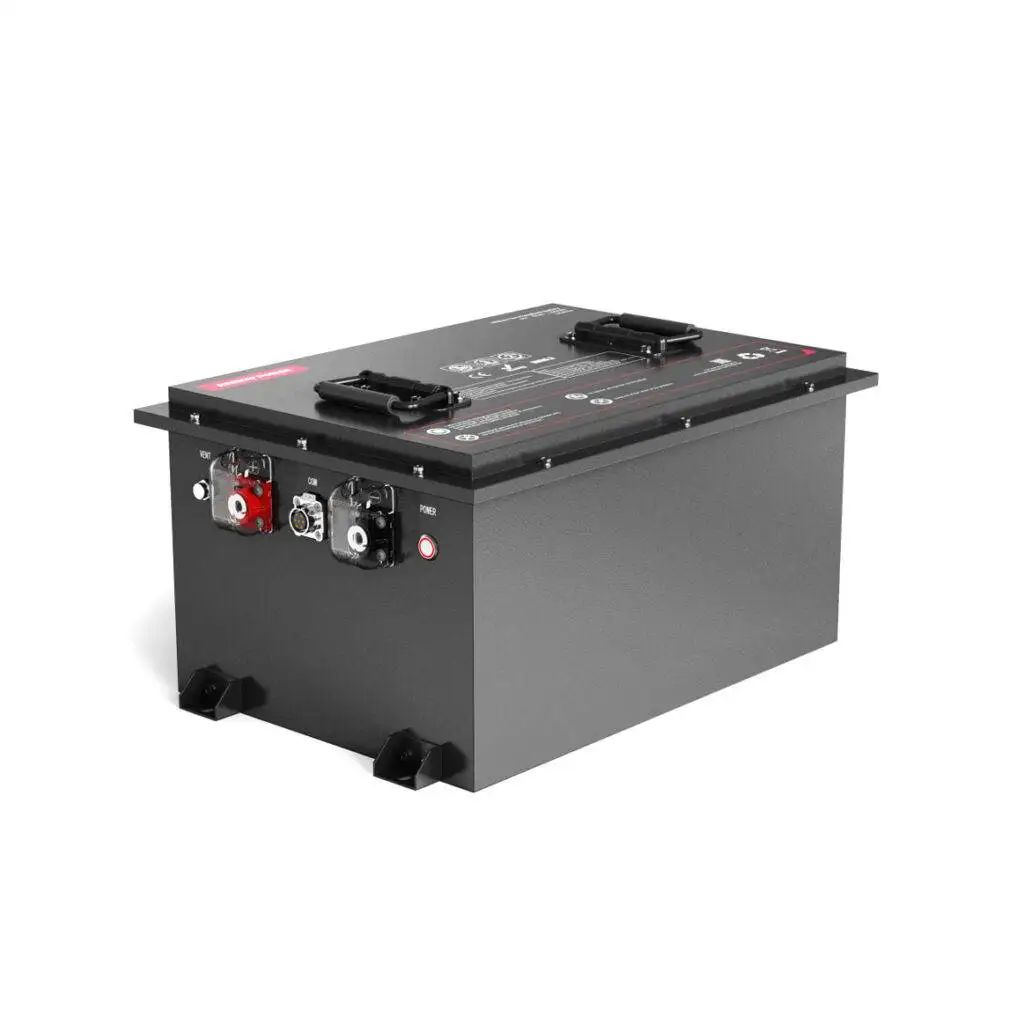
How High‑Performance Lithium Batteries Are Transforming Recreational and Commercial Carts?
High‑performance lithium batteries for recreational and commercial carts now deliver longer runtime, faster charging, and lower total‑cost‑of‑ownership than legacy lead‑acid systems, making them the default choice for fleets and individual users alike. For operators of golf carts, utility vehicles, and low‑speed electric carts, switching to modern LiFePO4 packs can cut energy costs, reduce downtime, and extend vehicle life while improving safety and reliability.
Industry data show the golf‑cart and low‑speed‑EV battery market is shifting rapidly toward lithium, with lithium‑ion solutions projected to account for a growing share of new installations over the next five years. At the same time, many fleets still rely on older lead‑acid or basic lithium packs that fail to deliver consistent range, cycle life, or thermal safety, creating operational headaches and hidden costs. This gap between market potential and real‑world performance is exactly where purpose‑built, high‑performance lithium battery systems come in.
How Is the Cart Battery Market Changing?
The recreational and commercial cart sector is moving from lead‑acid to lithium at an accelerating pace, driven by demands for longer range, lighter weight, and lower maintenance. Lithium‑ion batteries, especially LiFePO4, now dominate new golf‑cart and utility‑vehicle installations because they offer higher energy density, faster charging, and significantly longer cycle life than flooded or AGM lead‑acid batteries. Fleet owners are increasingly treating batteries as a strategic asset rather than a commodity, investing in packs that support all‑day operations and multi‑year service life.
Despite this shift, many operators still deploy batteries that are undersized, poorly integrated, or built with generic cells and weak battery management systems. The result is inconsistent range, frequent unplanned downtime, and premature pack replacement, which can erase the theoretical cost‑per‑cycle advantage of lithium. For commercial fleets, even a few extra hours of unplanned downtime per month can translate into thousands of dollars in lost productivity.
Why Do Traditional Cart Batteries Struggle Today?
Lead‑acid batteries remain common in older carts because they are inexpensive upfront, but they suffer from several structural weaknesses. They are heavy, require regular watering and equalization, and typically deliver only a few hundred deep‑cycle lives before capacity degrades below usable levels. In high‑use environments such as resorts, golf courses, and logistics yards, this short lifespan and high maintenance burden drive up labor, energy, and replacement costs.
Even some early‑generation lithium‑ion packs fall short in real‑world cart applications. Many use generic cells without robust thermal management, basic BMS logic, or proper mechanical design for vibration‑prone environments. This can lead to uneven cell balancing, thermal runaway risk, and premature capacity fade, especially when carts are operated in hot climates or charged aggressively. For commercial operators, these reliability issues translate into safety concerns, warranty claims, and fleet‑wide service interruptions.
How Do High‑Performance Lithium Packs Improve Cart Operations?
High‑performance lithium batteries for recreational and commercial carts are engineered to maximize runtime, durability, and safety while minimizing total cost of ownership. These systems typically use LiFePO4 chemistry, which combines good energy density with excellent thermal stability, long cycle life, and low risk of thermal runaway. Integrated battery management systems monitor voltage, current, temperature, and state‑of‑charge in real time, enabling precise charge control, cell balancing, and fault protection.
Manufacturers such as Redway Battery design their lithium packs specifically for forklifts, golf carts, RVs, telecom, solar, and energy storage, ensuring mechanical robustness, vibration resistance, and compatibility with existing cart platforms. Redway Battery’s LiFePO4 solutions are produced in four advanced factories with over 100,000 ft² of production space and ISO 9001:2015 certification, giving commercial customers access to OEM‑grade packs with consistent quality and long‑term reliability. Redway Battery also supports full OEM/ODM customization, allowing fleets to specify voltage, capacity, form factor, and communication interfaces tailored to their cart models and duty cycles.
What Are the Key Advantages Over Traditional Options?
The table below compares typical lead‑acid and generic lithium‑ion solutions against a modern high‑performance lithium pack designed for recreational and commercial carts.
| Feature | Traditional lead‑acid | Generic lithium‑ion | High‑performance lithium (LiFePO4) |
|---|---|---|---|
| Cycle life (deep‑cycle) | 300–500 cycles | 800–1,500 cycles | 2,000–5,000+ cycles |
| Weight per kWh | Very heavy | Moderate | Lighter, better power‑to‑weight |
| Charging time | 6–10 hours | 3–6 hours | 2–4 hours with fast‑charge support |
| Maintenance | Watering, equalization, cleaning | Minimal | Virtually maintenance‑free |
| Safety (thermal stability) | Moderate | Variable, depends on chemistry | High, especially LiFePO4 |
| Total cost of ownership | High over time | Moderate | Lower over 5–10 years |
| Integration with BMS | Basic or none | Basic BMS | Advanced BMS with diagnostics |
High‑performance lithium packs also integrate seamlessly with modern cart electronics, supporting CAN‑bus or RS‑485 communication for fleet‑level monitoring and predictive maintenance. Redway Battery’s engineering team works with OEMs and fleet operators to ensure that each pack includes the right connectors, mounting hardware, and protection levels for the target application, whether it is a golf cart, utility vehicle, or industrial forklift.
How Can You Implement a High‑Performance Lithium Solution?
Deploying a high‑performance lithium battery for recreational and commercial carts follows a structured, repeatable process that minimizes disruption and maximizes return on investment.
Assess current fleet and duty cycles
Gather data on daily mileage, number of shifts, average load, and charging infrastructure. This helps determine required capacity, voltage, and charge‑rate profiles.Select the right chemistry and pack configuration
Choose LiFePO4 for safety and long cycle life, then specify voltage (36 V, 48 V, 72 V) and capacity (Ah) that match the cart motor and controller. Redway Battery offers a wide range of standard and custom configurations for golf carts and utility vehicles.Design mechanical and electrical integration
Work with the battery supplier to confirm mounting space, weight distribution, and wiring compatibility. Redway Battery’s OEM/ODM service can modify enclosures, connectors, and BMS logic to fit existing cart platforms.Install and commission the first pilot packs
Install the new lithium batteries on a small subset of carts, verify performance under real‑world conditions, and adjust charge parameters if needed. Use the integrated BMS to monitor voltage, temperature, and state‑of‑charge.Scale across the fleet and optimize operations
Once pilot results are validated, roll out the solution fleet‑wide. Implement charging‑schedule optimization and remote monitoring to extend pack life and reduce energy costs. Redway Battery’s 24/7 after‑sales support helps fleets troubleshoot issues and plan for long‑term maintenance.
Which Scenarios Benefit Most from High‑Performance Lithium?
Scenario 1: Golf course fleet operator
Problem: Lead‑acid batteries on golf carts require daily watering, frequent replacement, and long overnight charging, limiting availability during peak hours.
Traditional practice: Rotate carts, keep spare packs, and schedule maintenance during off‑peak times.
After switching to high‑performance lithium: Carts run full rounds without mid‑day charging, packs last 5–7 years instead of 2–3, and maintenance labor drops sharply.
Key benefits: Higher cart utilization, lower labor and energy costs, and fewer customer complaints about dead batteries.
Scenario 2: Resort and hospitality shuttle service
Problem: Shuttle carts used for guest transport suffer from inconsistent range and unexpected shutdowns, especially on hot days.
Traditional practice: Over‑specify lead‑acid capacity and keep extra carts on standby.
After switching to high‑performance lithium: Shuttles complete multiple daily loops on a single charge, with real‑time BMS alerts preventing deep discharge.
Key benefits: Improved guest experience, reduced fleet size, and lower total‑cost‑of‑ownership.
Scenario 3: Warehouse and logistics yard utility carts
Problem: Utility carts used for material handling and inspections need to operate multiple shifts but are constrained by long charging times and battery degradation.
Traditional practice: Use oversized lead‑acid packs and schedule mid‑shift swaps.
After switching to high‑performance lithium: Carts charge quickly during breaks and maintain stable voltage under heavy loads, thanks to robust LiFePO4 cells and advanced BMS.
Key benefits: Higher throughput, fewer battery‑change interruptions, and lower replacement frequency.
Scenario 4: Municipal and campus patrol carts
Problem: Security and maintenance patrols require reliable, all‑day power for lights, radios, and accessories, but lead‑acid packs often fail prematurely.
Traditional practice: Carry spare batteries and conduct frequent inspections.
After switching to high‑performance lithium: Patrol carts run full shifts with headroom for accessories, and packs show minimal degradation over years of daily use.
Key benefits: Enhanced safety coverage, reduced administrative overhead, and longer asset life for the vehicles.
Why Should You Adopt High‑Performance Lithium Now?
Several converging trends make now the right time to upgrade recreational and commercial cart batteries to high‑performance lithium. First, lithium‑ion costs have declined steadily while cycle life and safety have improved, narrowing the payback period versus lead‑acid. Second, fleet operators face increasing pressure to reduce energy consumption and carbon footprint, and lithium systems typically deliver higher round‑trip efficiency and lower emissions over their lifecycle. Third, digitalization and IoT‑enabled BMS allow operators to monitor battery health remotely, schedule maintenance proactively, and optimize charging patterns.
For manufacturers and integrators, partnering with an established OEM such as Redway Battery provides access to scalable, certified production capacity and deep application expertise. Redway Battery’s global footprint, automated production lines, and MES‑driven quality control ensure that each lithium pack meets stringent safety and performance standards, while their customization capability lets customers tailor solutions to specific cart platforms and operating environments.
Does This Solution Fit Your Use Case? FAQ
Does a high‑performance lithium battery fit existing golf or utility carts?
Yes, most modern lithium packs are designed as drop‑in replacements for lead‑acid systems, with matching voltages (36 V, 48 V, 72 V) and compatible connectors. Redway Battery can also customize dimensions and mounting points to fit legacy cart models.
How much longer do lithium packs last compared with lead‑acid?
High‑performance LiFePO4 packs typically deliver 2,000–5,000 deep cycles, versus 300–500 for lead‑acid, which can translate into 5–10 years of service depending on usage patterns.
Are lithium batteries safe for carts used in public spaces?
LiFePO4 chemistry is inherently safer than other lithium‑ion types, with lower risk of thermal runaway. When combined with a robust BMS and proper mechanical design, lithium packs are well suited for golf courses, resorts, and municipal fleets.
Can I reduce total operating costs by switching to lithium?
Yes, despite higher upfront cost, lithium packs lower energy consumption, reduce maintenance labor, and cut replacement frequency, often yielding a lower total‑cost‑of‑ownership within 3–5 years.
How does Redway Battery support customization and after‑sales service?
Redway Battery offers full OEM/ODM customization, including voltage, capacity, form factor, and communication interfaces, backed by ISO‑certified production and 24/7 after‑sales support for troubleshooting, warranty claims, and technical upgrades.
Sources
Golf Cart Lithium Battery Market Size 2026 | AI Insights, Drivers …
Golf Cart Battery Market Growth Outlook, Technology Trends, Key
Trojan Battery to Debut Next‑Generation Lithium Solutions at the 2026 PGA Show
How TEKO EV Is Revolutionizing the Golf Cart Industry in 2026
Top 8 Best Golf Cart Batteries 2026 | Ranked and Reviewed
Best Lithium Golf Cart Batteries Of 2026 in UAE – Rafplay
News | Leoch Lithium America
High‑Performance Lithium Batteries for Two & Three Wheel Vehicles – EverExceed
For the surrounding sizing, selection, installation and maintenance decisions, continue with the Golf Cart Battery: Brands, Models and Fitment — Part 1.
