




Forklift Battery Fitment
A forklift battery is a fitted component. The voltage gets you close, and the compartment gets you the rest of the way.
This is the fitment page of the forklift battery set: which pack fits which truck model, how to read a model code, and what changes between brands.
Three routes through fitment
Find your truck, read the model code, or work through the brand ranges.
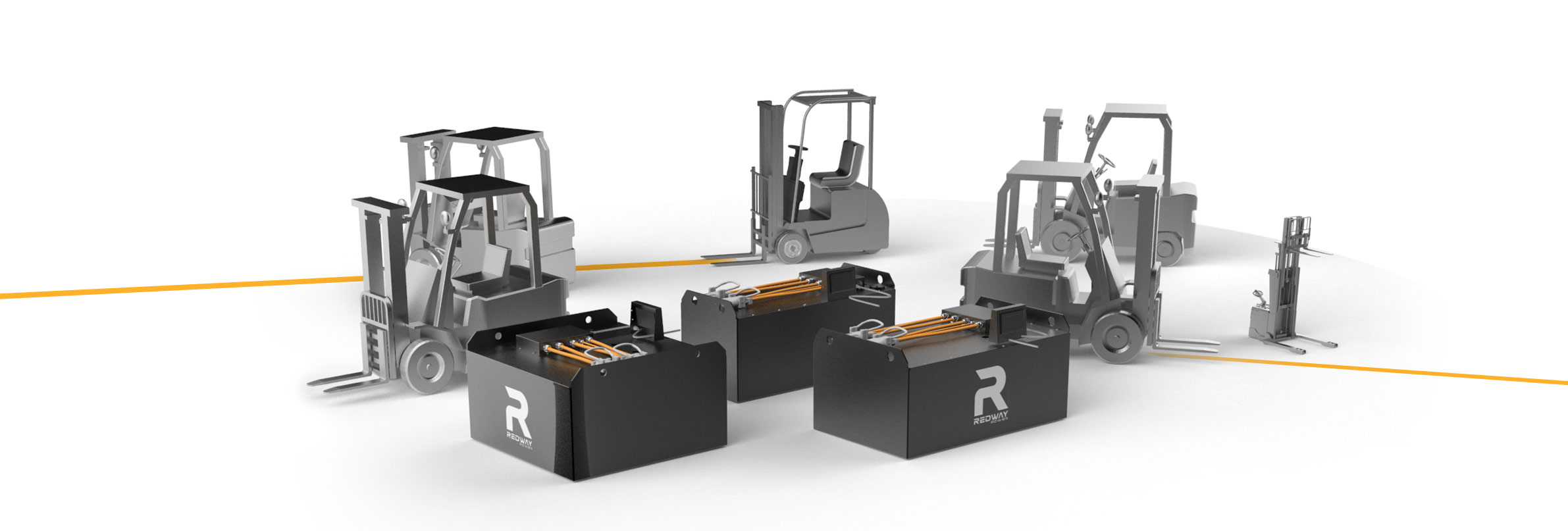
Hyster and Yale
The E-series electric ranges and their compartment layouts.
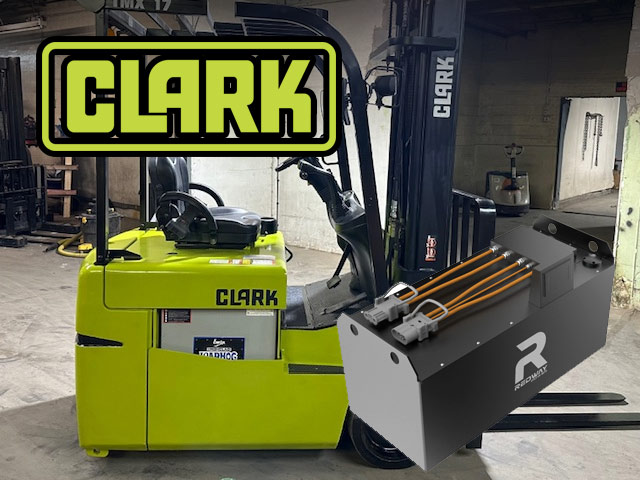
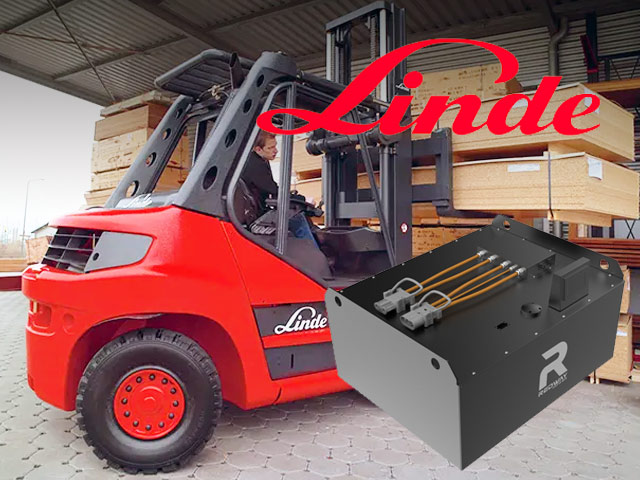
Linde, Clark and Komatsu
European and Japanese electric ranges, and how their trays differ.
- What Are Features Of 48V 24-125-15 Linde E25B Forklift Battery?
- Are LiFePO4 Batteries Right for Your Linde Forklift Fleet?
- Should You Switch to LiFePO4 Batteries for Your Komatsu Forklifts?
- What Are the 84 CLARK Forklift Models Available?
Show remaining 2 articles
Truck classes and high-capacity models
IC trucks, container handlers and the heavy end of the range.
- What Is The E50-60XNL 4-Wheel Electric Forklift?
- What Are H170-190FT H170FTS IC Trucks?
- What Is The H190-360HD2-B English High Capacity Truck PDF?
- What Are The Features Of H135-155FT Trucks?
Show remaining 14 articles
- What Are The Specs Of H1050-1150XD-CH Container Handlers?
- What Are The Features Of E30-40HSD3 Forklifts?
- What Are The Features Of H190-280XD Tech Guide?
- What Are The Specs Of H550-700XD Forklifts?
- What Are The Specs Of H400-450XD Forklifts?
- What Are The Specs Of H190-280XD Trucks?
- What Are The Specifications Of H360XD3648 Forklift?
- What Are The Specifications Of E45-70XN Forklift Models?
- What Are High Capacity IC Trucks H550-700XD Models?
- What Are Specifications Of H180-230XD-ECD Container Handlers?
- What Are High Capacity IC Trucks H210-250XD48-H300-360XD?
- What Is The H150xd Ec4 Container Handler?
- What Are The Features Of E30-40xn Forklifts?
- What Are The Features Of E80xnl Forklifts?
How to read a truck model before ordering a pack
Three pieces of information, all on the data plate and the compartment.
The model code carries the capacity class and the era
Codes like Hyster E50XM, Yale MPE060 or Linde E30P encode the capacity class and the generation. Two trucks with similar codes can take different compartments if they are from different series, which is why the model code identifies the candidate and the tape measure confirms it.
The compartment dimensions decide, not the voltage
A 36V pack comes in several cell configurations with different footprints. The length, width and height of the compartment plus the position of the terminal posts decide which one fits. Measuring takes two minutes and is the difference between a fitment and a return.
What changes between brands
The electrical interface is broadly standard. The physical integration is not.
Compartment geometry and hold-down
Each manufacturer designs its own compartment and hold-down arrangement, and they are not interchangeable even at the same voltage. A pack built for a Linde tray may not drop into a Clark one. This is the single most common cause of a fitment failure on a fleet standardising across brands.
Connector type and cable routing
The connector standard is broadly common, but the cable route from the compartment to the controller differs, and a longer run or a tighter bend changes the gauge you need. Check the routing before specifying cable, particularly on trucks with the pack behind the counterweight.
The four things that decide a fitment
Compartment envelope
Length, width and height including the hold-down. This is the constraint that rules packs out regardless of the electrical specification.
Terminal positions
Which side the posts are on decides whether the existing cables reach. Reversing them means new cables and a longer job.
Cell configuration at the right voltage
A 36V pack exists in several plate sizes and counts. The one that fits is set by the compartment, not by the capacity you want.
Cable routing and connector
Broadly standard, but the run length and bend radius vary by model and affect the gauge you need.
Questions people ask before they buy
How do I know which battery fits my forklift?
Read the model code on the data plate for the capacity class and generation, then measure the compartment: length, width and height including the hold-down, plus which side the terminal posts sit on. The model code identifies the candidate packs; the measurements decide between them.
Are forklift batteries interchangeable between brands?
Electrically they usually are at the same voltage, which is why a charger from one brand can charge another's pack. Physically they are not: compartments and hold-downs are manufacturer-specific, so a pack built for a Linde tray will often not fit a Clark truck of the same voltage.
What does the model code tell you about the battery?
The capacity class and the generation of the truck, which narrows the pack to a family. It does not give the compartment dimensions, and the same voltage appears in several cell configurations, so the data plate has to be paired with a measurement.
Can I fit a bigger battery in my forklift?
Only if the compartment takes it and the truck's weight distribution allows it. Extra capacity adds weight, which on a counterbalance truck affects stability. A larger pack also lengthens the charging window or requires a bigger charger, so the change is rarely just the battery.
Do lithium packs fit the same compartment as lead-acid?
Often they are smaller, because the case does not have to hold liquid electrolyte or allow for plate growth. That usually means an adapter or a new hold-down rather than a new tray, but the footprint and terminal positions still have to be checked against the specific truck model.
Send the model and measurements and we will confirm the pack
Give us the truck make, model code, system voltage and the compartment length, width and height with the terminal positions. We will confirm which cell configuration fits and quote it.
