




Forklift Battery: Operation and Practical Guidance — Part 9
Match voltage, compartment size, counterweight, charger and shift pattern before comparing price.
A decision-led route through 45 focused articles for warehouse and fleet operators.
Three routes through operation and practical guidance — part 9
Start with the requirement, confirm compatibility, then use operating evidence to refine the choice. Every article remains linked even when the longer lists are folded.
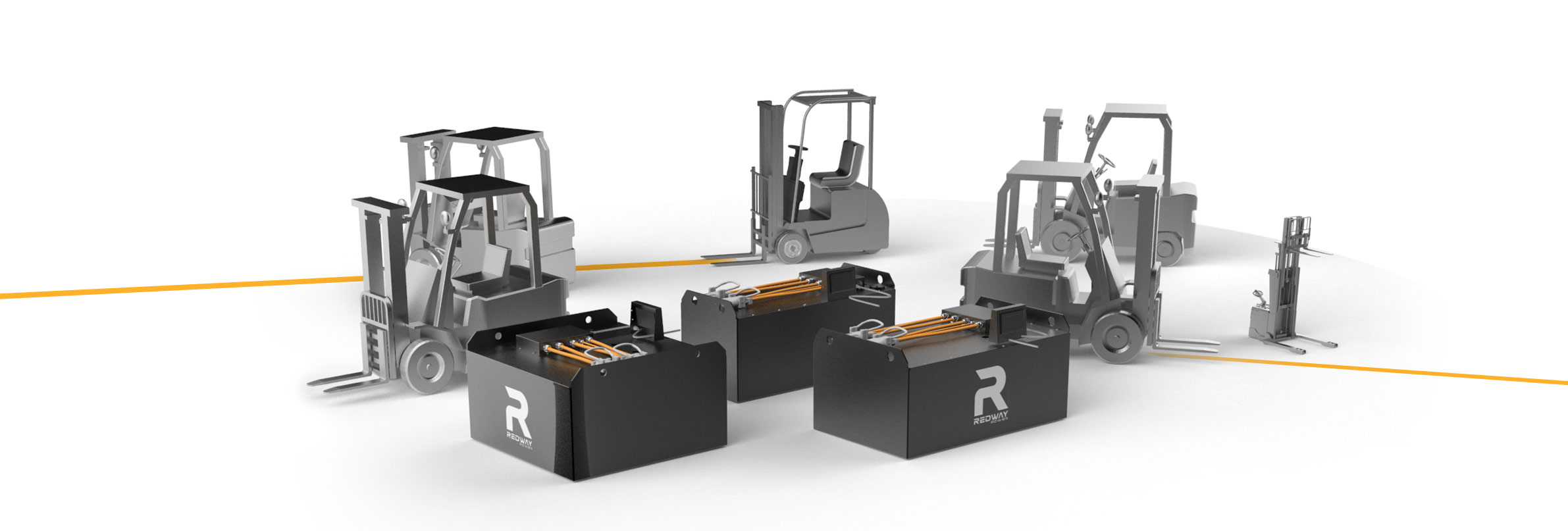
Define the requirement first
Forklift Battery decisions work best when match voltage, compartment size, counterweight, charger and shift pattern before comparing price. This operation and practical guidance — part 9 group is arranged for warehouse and fleet operators, so the sequence follows the real decision rather than publication date. Use the linked guidance to confirm measurements and operating assumptions, then record the result before comparing a product or supplier. Topics such as What Makes the XF Series Pneumatic Forklift Ideal for Heavy-Duty Applications, What Makes Traction Batteries So Important, What Replaces Advance Auto Parts 75FT-3 Battery are useful only when read against the same duty cycle. The practical objective is to prevent downtime, connector mismatch and an unsafe charging area. Planning should end with a written specification that another technician or buyer can check, not a brand preference or a single headline number.
- What Makes the XF Series Pneumatic Forklift Ideal for Heavy-Duty Applications?
- What Makes Traction Batteries So Important?
- What Replaces Advance Auto Parts 75FT-3 Battery?
- What Replaces US Battery US 8VGC XC2 Battery?
Show remaining 11 articles
- What Should You Consider When Choosing an Electric Pallet Jack?
- What Should You Inspect on a Forklift Before Every Use?
- What Should You Know About Forklift Battery Manufacturers?
- What Should You Know About Forklift Battery Packs?
- What Should You Know About Forklift Pricing?
- What Solutions Are Offered For Wood And Lumber Industries?
- What Solutions Are Provided For Auto Manufacturing?
- What Solutions Are Provided For Wood And Lumber Industry?
- What Solutions Does Enersys Provide Worldwide?
- What Spare Parts Does Enersys Offer After Market?
- What to Know About the Growing Global Forklift Trucks Market
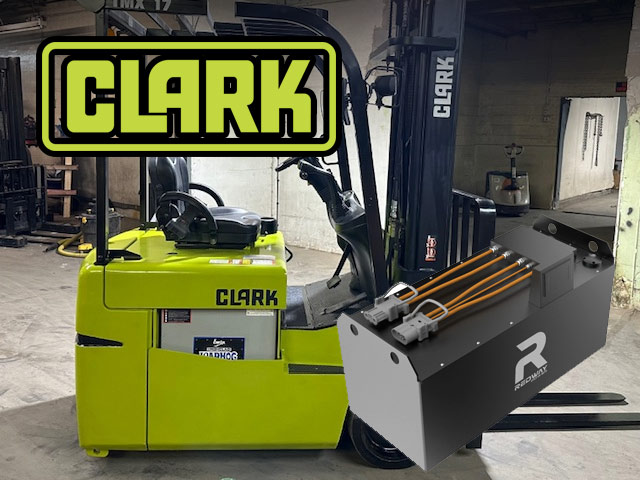
Match the system and installation
Forklift Battery decisions work best when match voltage, compartment size, counterweight, charger and shift pattern before comparing price. This operation and practical guidance — part 9 group is arranged for warehouse and fleet operators, so the sequence follows the real decision rather than publication date. Use the linked guidance to confirm measurements and operating assumptions, then record the result before comparing a product or supplier. Topics such as What Tools and Equipment Are Essential for Forklift Battery Management, What Warranty Does Redway Offer Forklift Batteries, What Was OM’s Role at CONEX KOREA 2017 are useful only when read against the same duty cycle. The practical objective is to prevent downtime, connector mismatch and an unsafe charging area. Selection should end with a written specification that another technician or buyer can check, not a brand preference or a single headline number.
- What Tools and Equipment Are Essential for Forklift Battery Management?
- What Warranty Does Redway Offer Forklift Batteries?
- What Was OM’s Role at CONEX KOREA 2017?
- What You Need to Know About 1000 MCA Batteries
Show remaining 11 articles
- What You Need to Know About C20 Battery Ratings
- What You Need to Know About Essency’s Revolutionary Water Heater
- What You Should Know About Abbott’s AVEIR DR Leadless Pacemaker
- When Should You Upgrade Your Forklift for Optimal Performance
- Where Can I Find Manuals For My Equipment?
- Where Is Medicine Hat Forklift Dealer?
- Where Is The Battery Located In A Forklift?
- Where should power go on the rack?
- Where To Find Forklift Information And Guides?
- Where to Find Reliable DEKA Forklift Batteries in Fort Lauderdale?
- Where to Find Reliable Forklift Batteries in Belgium?
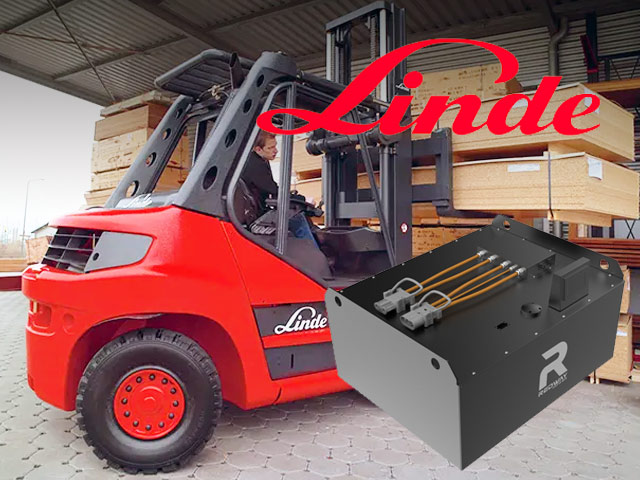
Operate, verify and troubleshoot
Forklift Battery decisions work best when match voltage, compartment size, counterweight, charger and shift pattern before comparing price. This operation and practical guidance — part 9 group is arranged for warehouse and fleet operators, so the sequence follows the real decision rather than publication date. Use the linked guidance to confirm measurements and operating assumptions, then record the result before comparing a product or supplier. Topics such as Where to Find Used Batteries Near Me, Where To Find Wholesale Forklift Batteries Online, Where To Rent Forklift Push/Pull Attachments are useful only when read against the same duty cycle. The practical objective is to prevent downtime, connector mismatch and an unsafe charging area. Operation should end with a written specification that another technician or buyer can check, not a brand preference or a single headline number.
- Where to Find Used Batteries Near Me?
- Where To Find Wholesale Forklift Batteries Online?
- Where To Rent Forklift Push/Pull Attachments?
- Where to Rent Forklifts in Calgary & Edmonton?
Show remaining 11 articles
- Where To Rent Rough Terrain Forklifts?
- Where To Replace Batteries In Mechanicsville VA 23111?
- Which Companies Lead the Global Forklift Manufacturing Industry?
- Which FLT Battery is Right for Your Forklift?
- Which Forklift Type Suits Your Needs: Sit-Down or Stand-Up?
- Which Forklifts Work with Redway Batteries?
- Which Li-Ion Battery Forklift Solutions Are Ideal for Germany?
- Which Redway Battery Fits My Forklift?
- Who Are Forklift Experts For Sales & Rentals?
- Who Are The Global Battery Market Leaders Now?
- Who Are the Leading EV Battery Manufacturing Companies Globally?
Return to the Forklift Battery main guide.
Measure before comparing models
Write down the present system voltage, real load, operating hours, charging window, temperatures and available space. Nameplate capacity is a starting point, not a complete requirement. A replacement that looks larger on paper can still fail if its current limit, connector, communication or enclosure conflicts with the equipment. Use the articles above to replace estimates with measured values and keep a record of the assumptions used.
Treat the charger as part of the battery system
A battery change is incomplete until the charger profile, current and termination behaviour are confirmed. Chemistry labels alone do not prove compatibility. Verify the exact voltage window, communication needs and connector polarity, then test a complete charge under normal operating conditions. This is especially important when converting older equipment or combining components from different suppliers.
Compare lifetime value under the real duty cycle
Purchase price should be compared with usable energy, expected cycles, charging time, maintenance labour, downtime and replacement risk. The cheapest unit can be the most expensive choice when it cannot complete the shift or loses capacity quickly. Use a consistent duty cycle for every quotation and require suppliers to state what assumptions sit behind runtime and life estimates.
Commission the installation and keep a baseline
After installation, inspect mounting, cables, protection, communication and charger behaviour before releasing the equipment. Record initial voltage, state of charge, runtime, temperatures and any alarms. That baseline makes future diagnosis faster because a change can be compared with a known healthy condition instead of relying on memory. Recheck the system after the first full operating cycle.
Frequently asked questions
How should I start with operation and practical guidance — part 9?
Start with the application and duty cycle, then verify voltage, usable capacity, current, dimensions and charging. That order prevents a familiar model name from overriding the requirements that decide whether the system works.
How many articles are included here?
This guide routes to 45 focused articles. The links are grouped by decision stage and long lists are folded for readability without removing them from the page or from search-engine discovery.
What is the most common mistake?
The common mistake is comparing one specification in isolation. Forklift Battery performance depends on the battery, charger, load, environment and operating schedule working as one system.
When should a specialist check the choice?
Use a qualified supplier or technician when the installation changes voltage, connectors, charging equipment, counterweight, ventilation or protection settings. Those changes affect safety as well as performance.
What should be documented after installation?
Record model, chemistry, nominal voltage, usable capacity, charge settings, connector, commissioning date and baseline runtime. Those records make later maintenance and warranty decisions much faster.
Turn the guide into a checked specification
Send the application, present battery details and operating schedule so the next recommendation can be checked against real constraints.
