




REDWAY BATTERY / KNOWLEDGE
Is it safe to charge an e-bike lithium battery indoors overnight?

Redway Battery Editorial Team
Talk / Battery Q&A
A rental shop owner stores e-bikes in a back room and wants to know whether staff can leave batteries charging overnight after closing.
Direct answer: Not unattended. The US Consumer Product Safety Commission (CPSC) advises being present while micromobility batteries charge and never charging them while you are asleep or away. Charge during working hours with the charger supplied or approved for that battery, on a hard, non-flammable surface away from exits and combustibles, and unplug when charging ends. For a shop, that means a planned daytime charging routine, not overnight charging in a closed room.
What the official guidance says. CPSC tells users to follow the maker’s charging instructions, unplug when done, use only the charger provided or recommended by the device maker, and avoid replacement packs that have not been confirmed as suitable. In 2024 CPSC also warned against ‘universal’ chargers marketed for general categories of e-bikes, because a charger that fits may still be incompatible.
Why overnight is the concern. A charger or battery fault is most dangerous when nobody is there to notice heat, smell or smoke, and when people are asleep. Lithium battery fires can spread quickly and give off toxic smoke, so the location also matters. NFPA says the safest place to charge e-bike batteries is outdoors, away from structures and out of direct sunlight; indoors, avoid escape routes, the only door and soft furnishings.
A safer charging routine for a shop. Charge in a designated area with a smoke alarm, clear floor space and a non-combustible surface. Plug chargers directly into wall sockets rather than chained extension leads. Start charging early enough to finish before closing. Check each battery and charger before connecting: cracks, swelling, damaged cables, water ingress or unusual heat are reasons to stop using it. Keep a log of which charger belongs to which battery.
What to ask a battery supplier. Redway’s e-bike lithium battery page describes LiFePO4 cells and OEM/ODM customisation but does not list voltage, capacity or charger specifications, so request them for the exact model, together with the matching charger specification and test documents (available on request). In the US, look for packs certified to UL 2271 (LEV batteries) and bikes certified to UL 2849 (e-bike electrical systems); other markets have their own requirements.
Cell chemistry and pack design. Many e-bike packs use cylindrical lithium-ion cells such as 21700 cells, while LiFePO4 packs trade some energy density for thermal stability. Chemistry does not remove the need for a compatible charger and attended charging. For light-equipment packs, see choosing a 36V 50Ah or 100Ah battery.
Damaged packs. A dropped, flooded or swollen battery should not be charged at all; isolate it outdoors or in a safe area and follow the damaged-battery steps.
↳ Replying to Redway Battery Editorial Team
Buy batteries and chargers as matched pairs from one source, and ask for the battery’s test documents before stocking replacements.
↳ Replying to Procurement perspective
Specify the charger output voltage, current and termination for each pack; a charger that fits the connector is not proof of compatibility.
↳ Replying to Selection/Engineering perspective
Inspect cases, cables and connectors weekly, retire any charger with a damaged lead, and never charge a battery that is hot from use.
Not unattended. The US Consumer Product Safety Commission (CPSC) advises being present while micromobility batteries charge and never charging them while you are asleep or away. Charge during working hours with the charger supplied or approved for that battery, on a hard, non-flammable surface away from exits and combustibles, and unplug when charging ends. For a shop, that means a planned daytime charging routine, not overnight charging in a closed room.
Verify before ordering: Voltage, capacity, charger and certification details for Redway e-bike packs are not on the product page; request them for the exact model before quoting.
Sources checked: NFPA: lithium-ion battery safety (incl. e-bikes).
Editorial Q&A for battery selection and operations. Product figures cited from Redway product pages.
Related products
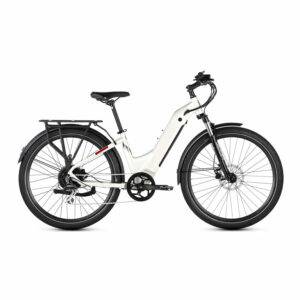 E-Bike Lithium Battery
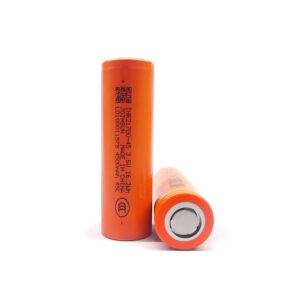 21700 Li-ion Cells
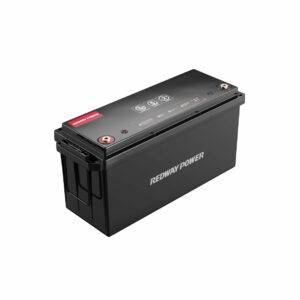 36V 50Ah Lithium Battery
Related articles & discussions
- Are Lithium E-Bike Batteries Eco-Friendly?
- How Long Can You Expect a 36V E-Bike Battery to Last?
- Why Opt for 72V LiFePO4 Batteries in E-Bike Battery Solutions?
- What Are the Alternative Ways to Charge E-Bike Batteries?
- Can I Leave a Lithium Battery Charging Overnight?
- How Do Lithium E-Bike Batteries Handle Extreme Temperatures?
- How Fast Is A 48V 3000W E-Bike Motor?
- How Far Can a 48V 20Ah Battery Take Your E-Bike?
- Understanding the Maximum Discharge Rate for Lithium E-Bike Batteries
- How Fast Is A 48V 1000W E-Bike In Mph?
